
When Life Education Enters Mainstream Education (Part I) – Secondary School Edition
-
By Admin
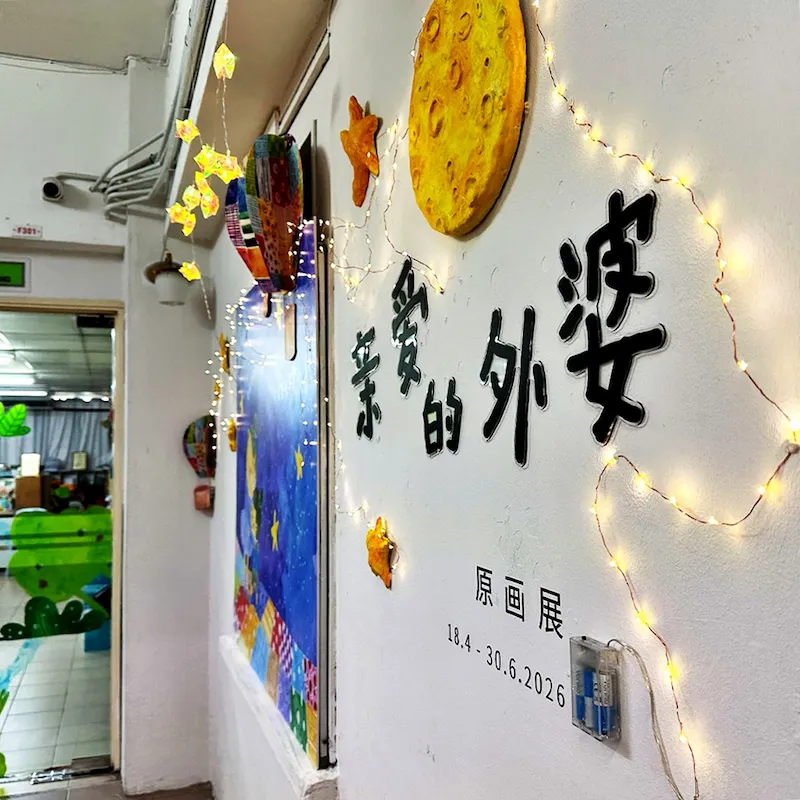
Life education, once introduced through sessions held in a memorial park, is now part of the school’s counselling curriculum. In 2026, Chong Hwa Independent High School and the Xiao En Life Education team reached a meaningful milestone.
Building on the foundation of the Life and Care Exhibition held over the past few years, Chong Hwa shifted its focus this year towards reading and literary engagement. Under the theme, “Because of Love, We Remember. Because of Books, We Grow.”, the life education picture book My Beloved Grandma which gently accompanies children in navigating experiences of loss is now one of the books used in the junior secondary counselling curriculum.
More than a curriculum initiative, it reflects how life education is gradually finding understanding, acceptance, and recognition within mainstream education.
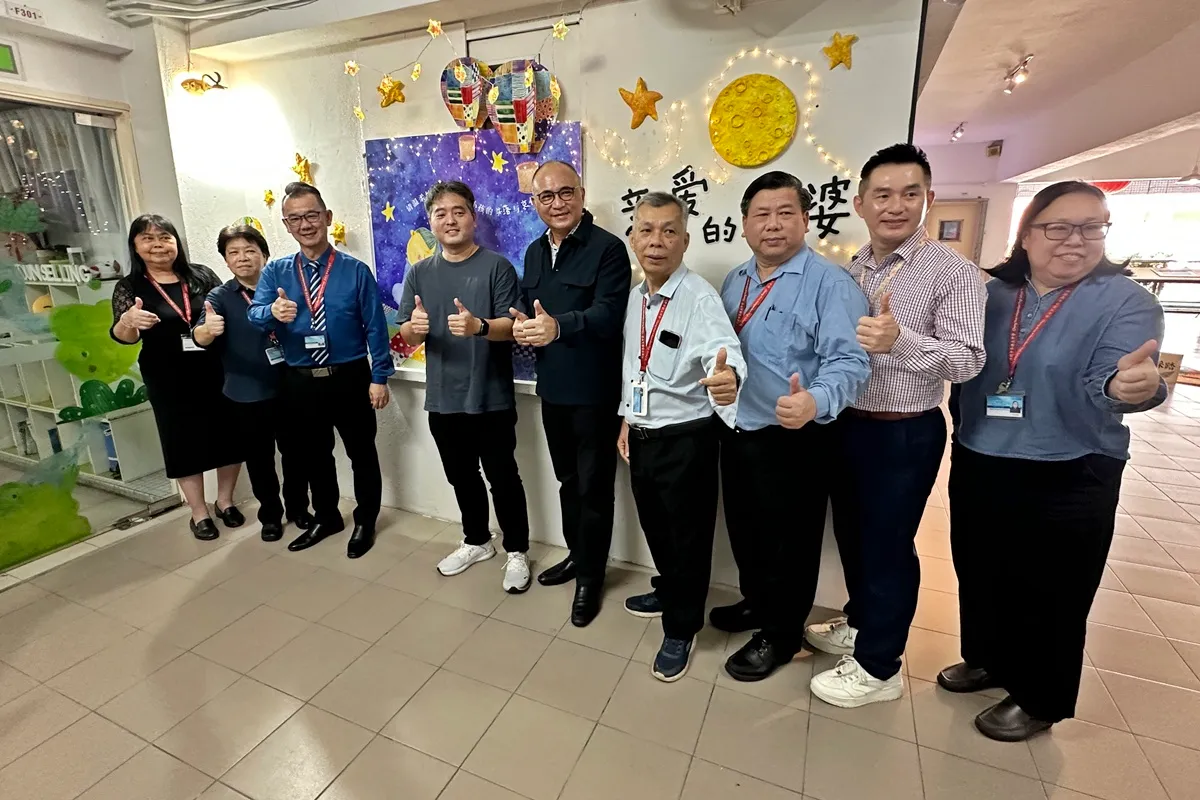
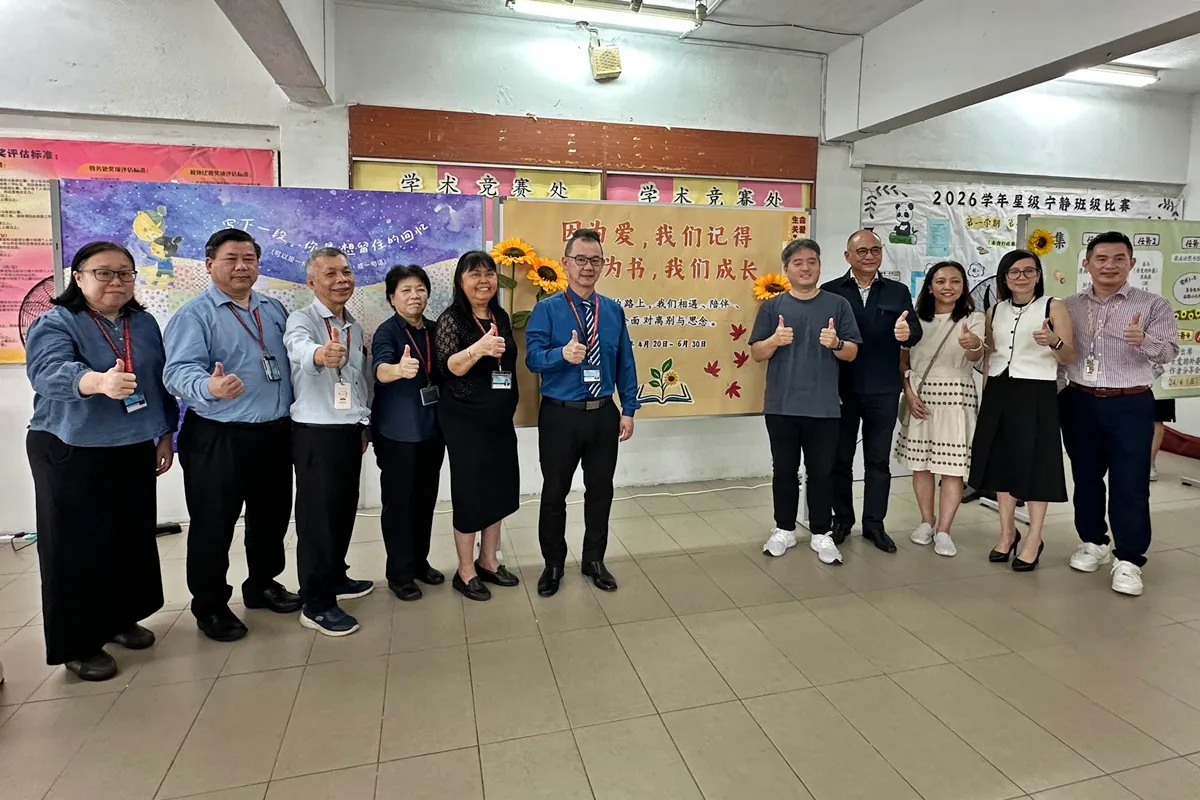
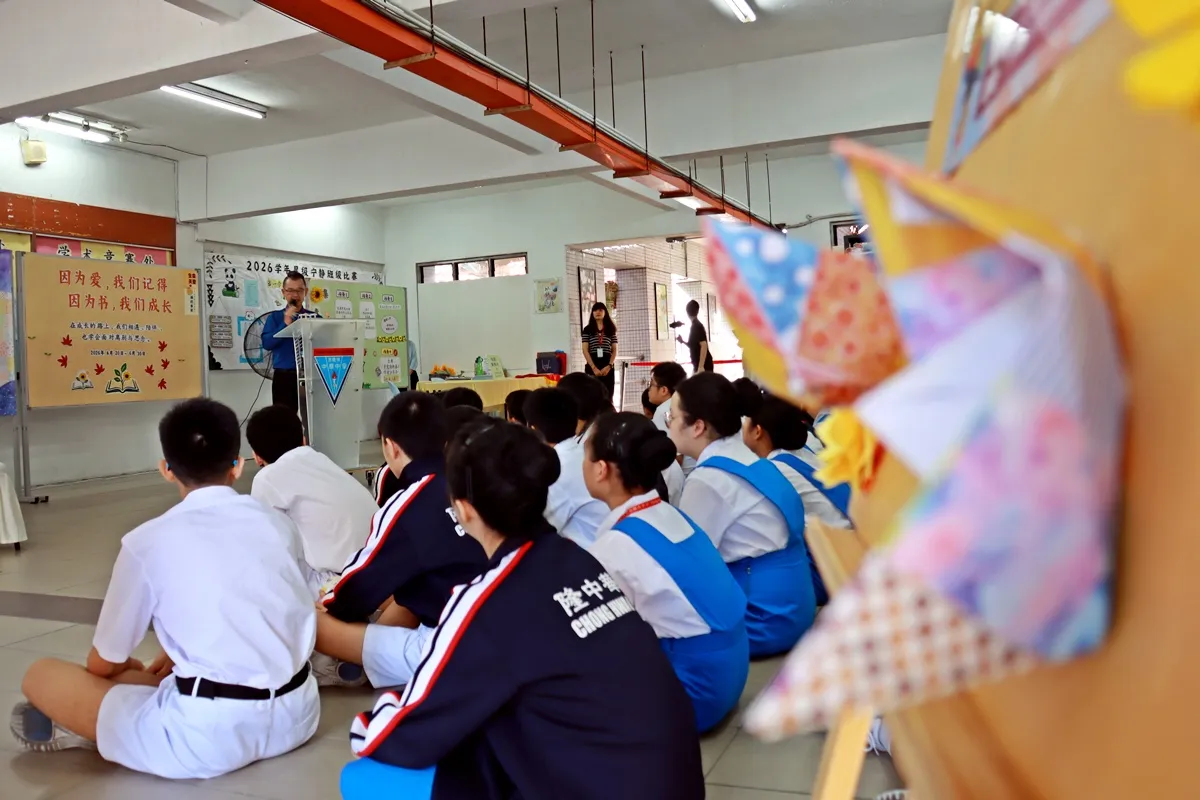
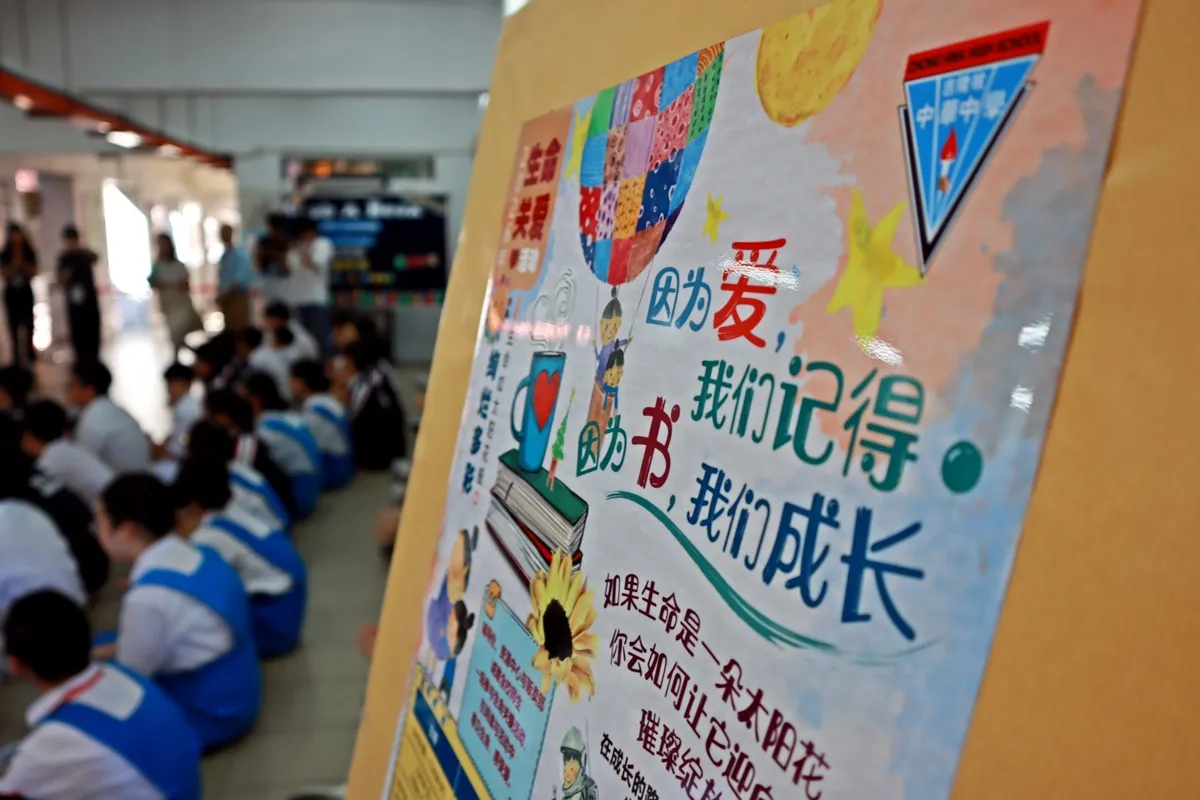
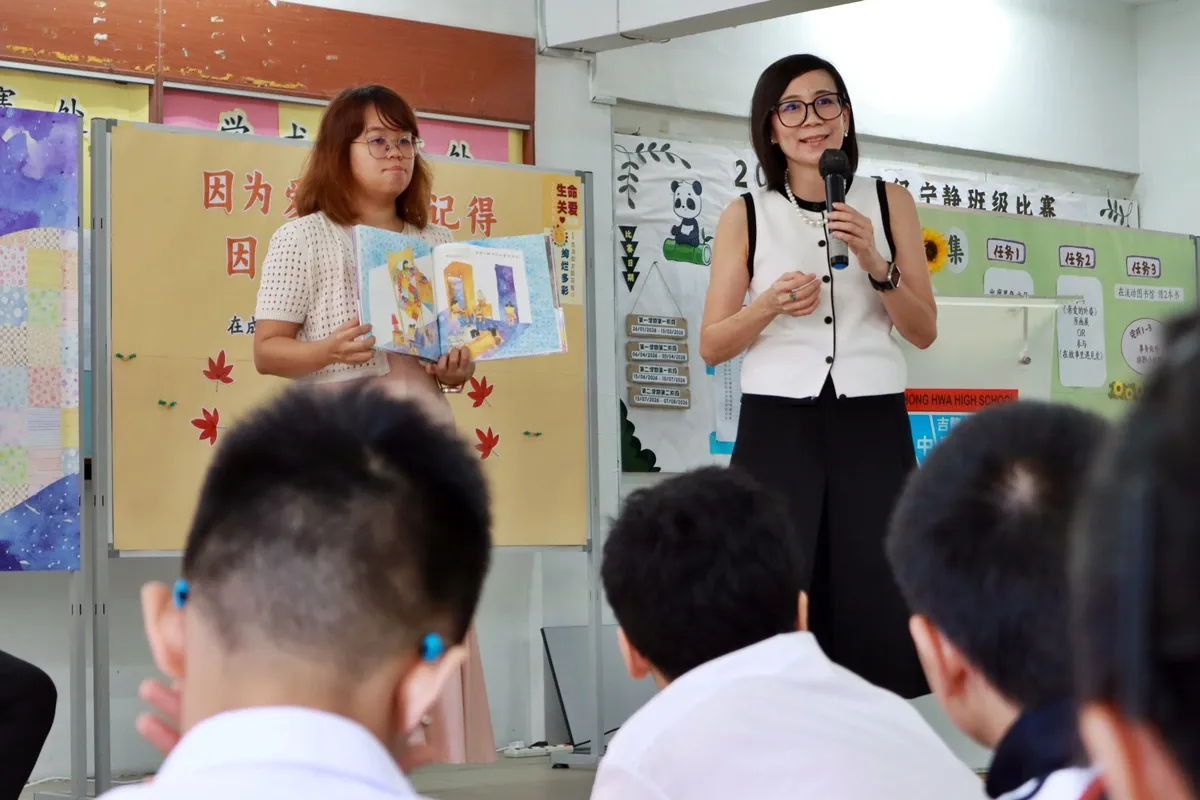
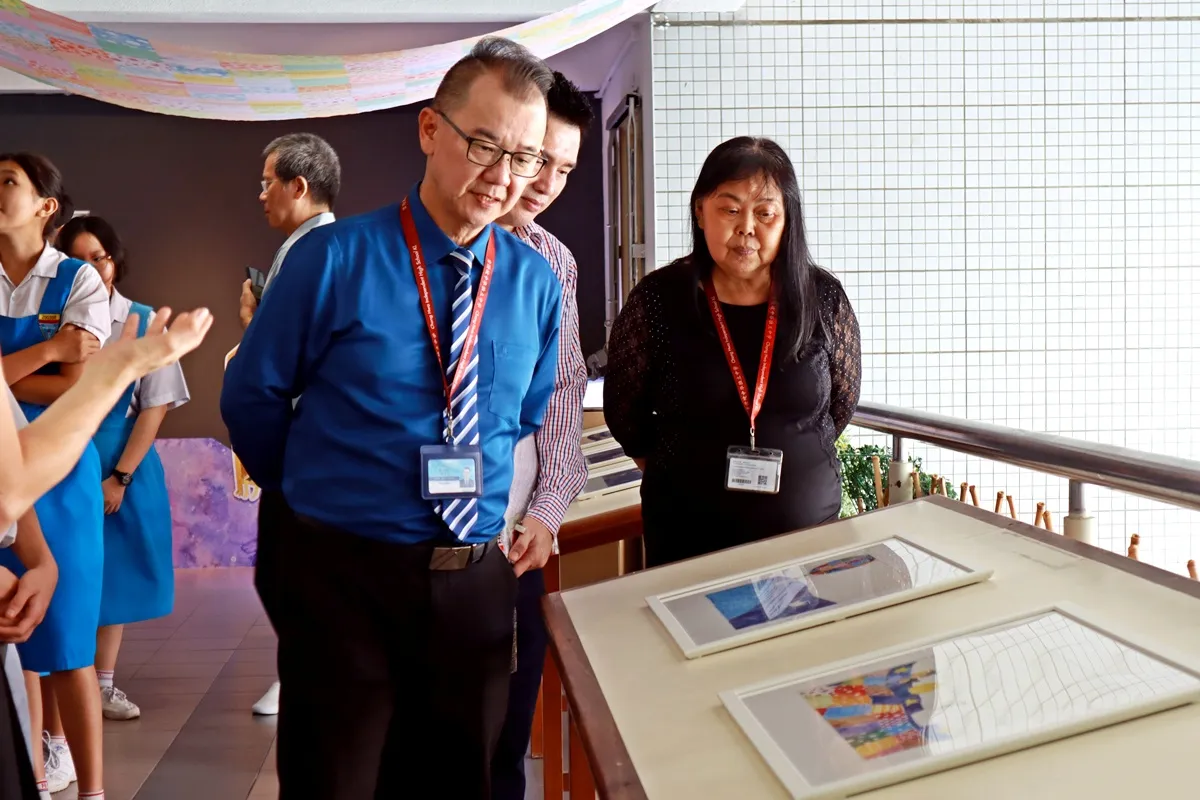
The 2026 Life and Care series officially kicks off, marking another step in bringing life education into schools and mainstream education.
When Loss Becomes Part of Learning
For a long time, education has been associated with knowledge, academic achievement, and preparation for the future. Yet learning how to navigate loss, understand life, carry difficult emotions, and cherish relationships is just as important. These are essential parts of growing up, but they are not often talked about or approached as something we can learn from.
Today, schools are beginning to include reflections on loss and appreciation as part of learning. This reflects a broader understanding of life education and its place in a child’s journey of growing up.
Life education is not about teaching children not to feel loss. Rather, it is about helping them understand it, giving space for grief to be held and memories to be carried forward. It is also about recognising that love and the bonds we share with others can continue to exist even after parting. Through My Beloved Grandma, teachers will extend these conversations into the school’s junior secondary counselling curriculum, using stories as a gentle starting point for reflection, dialogue, and learning.
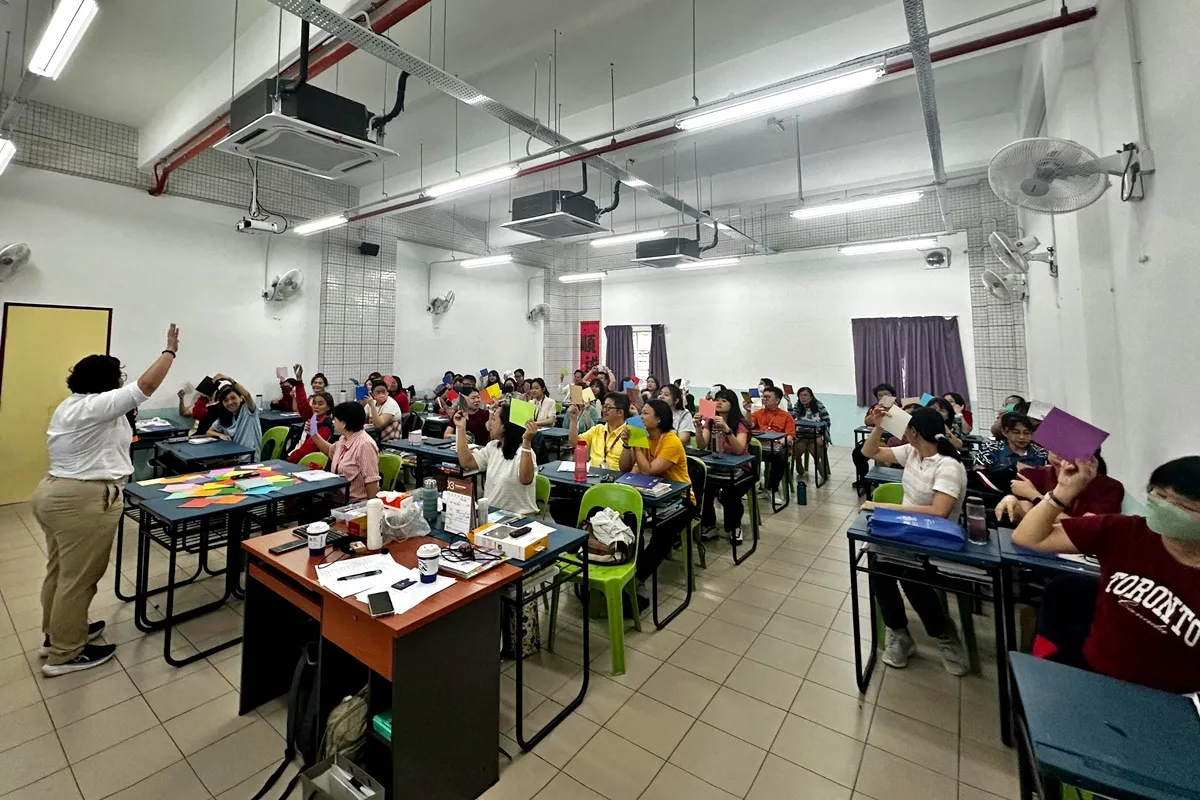
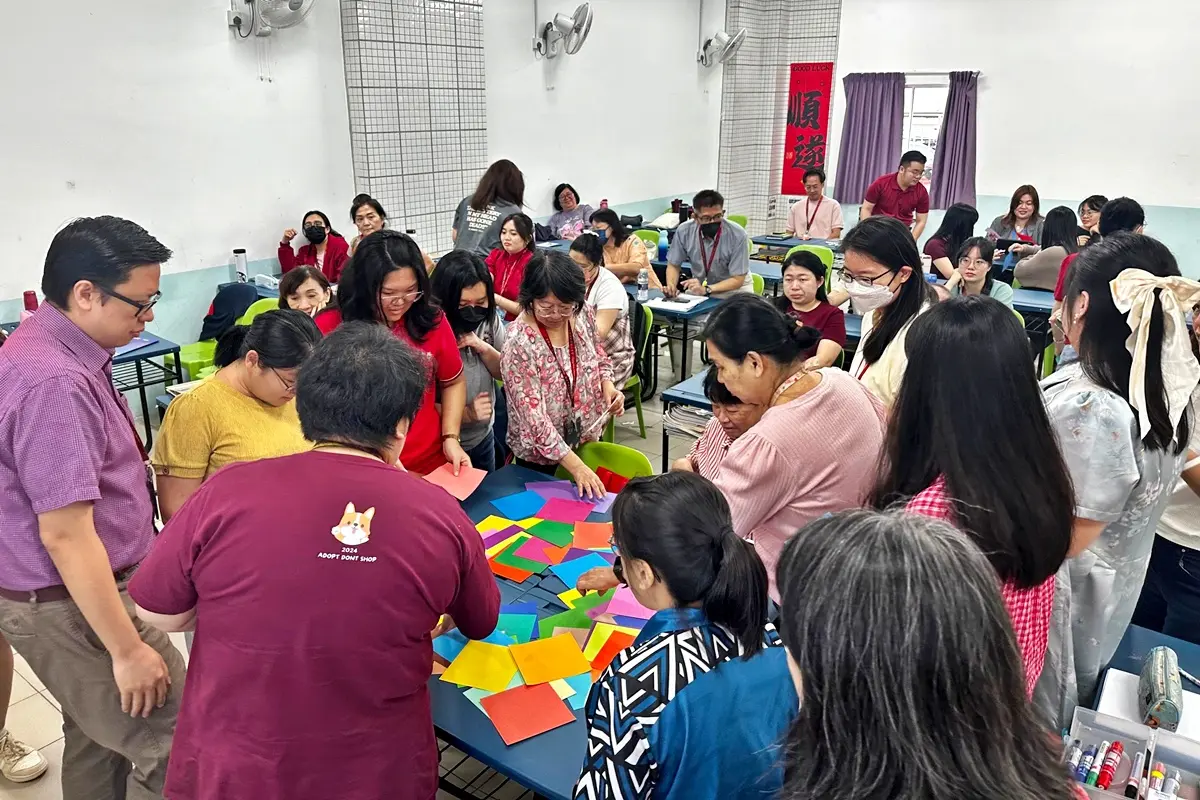
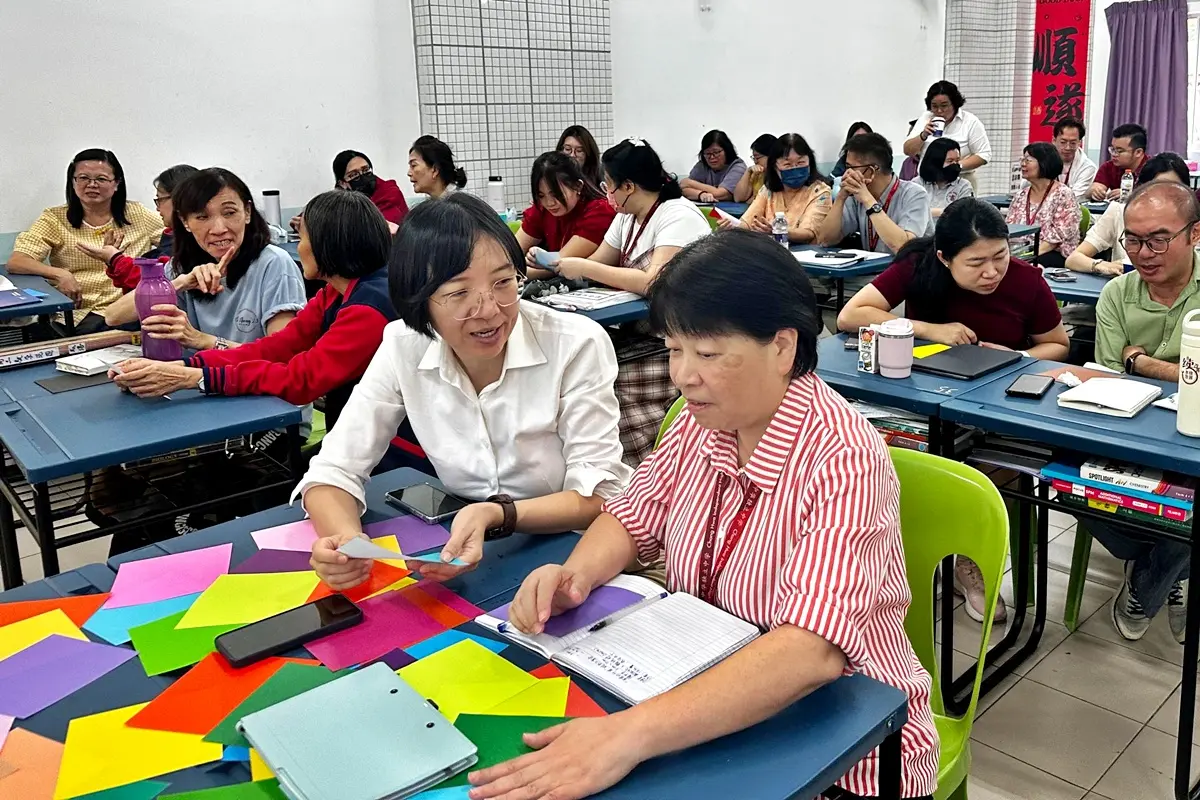
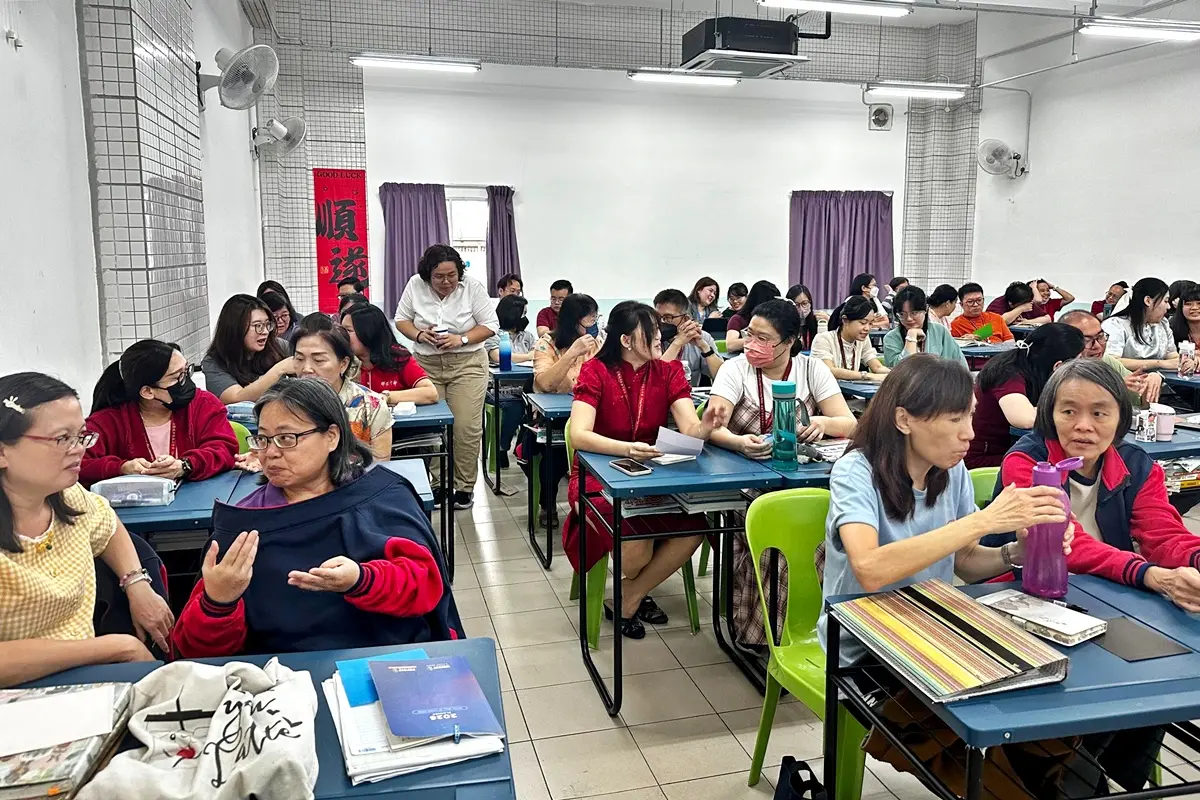
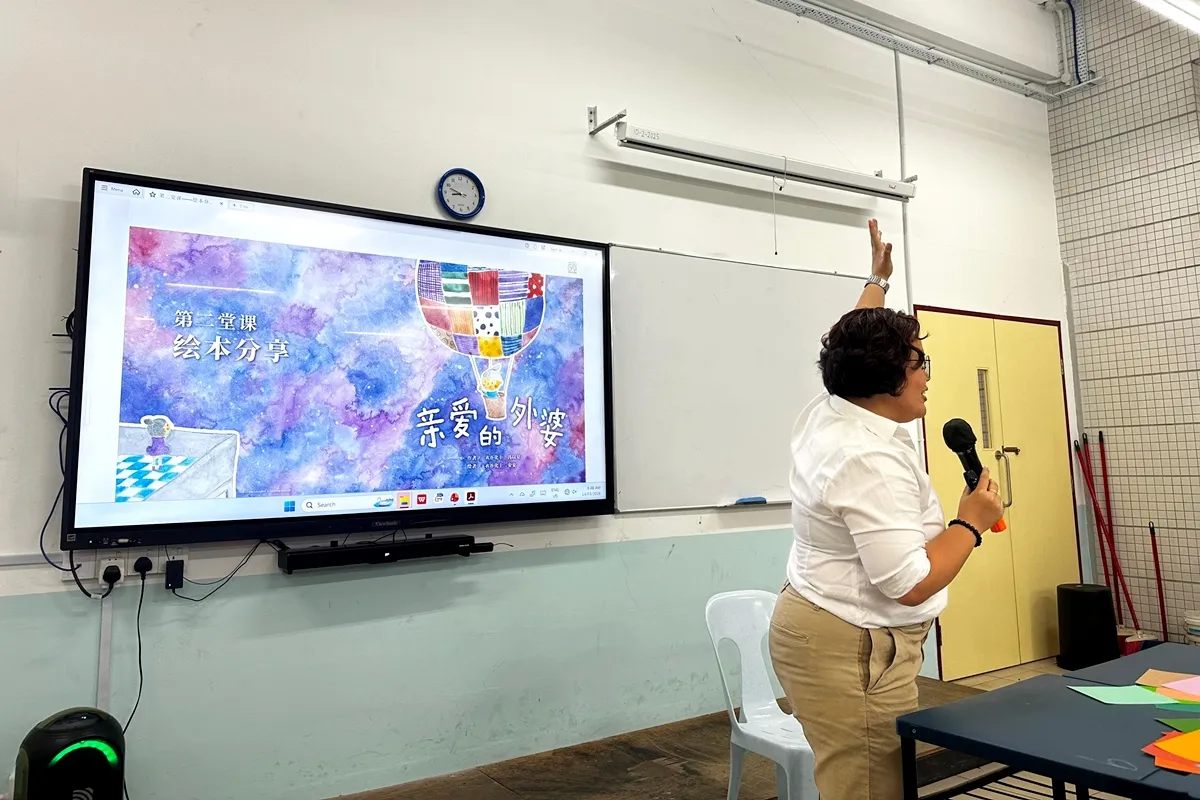
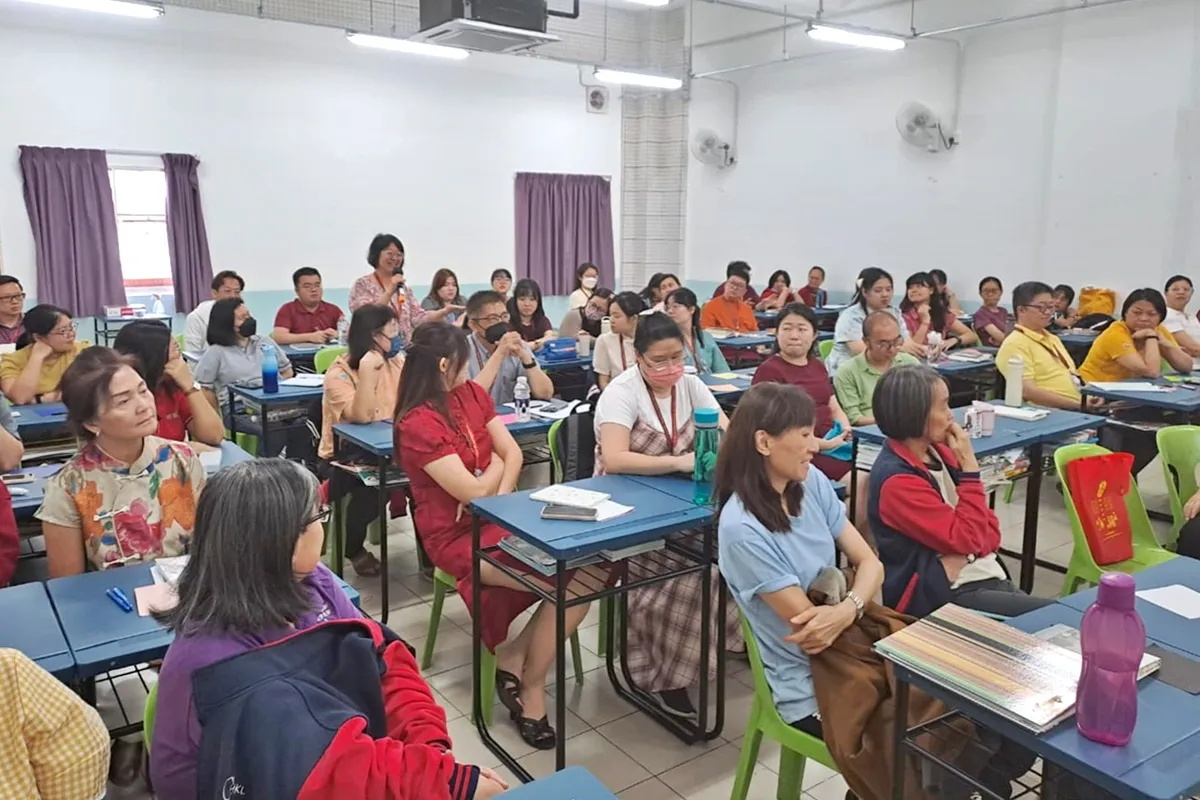
Through the Train the Trainer Programme, teachers were introduced to My Beloved Grandma and learned how to accompany students in exploring loss, remembrance, and the bonds that connect us to one another.
A Life Education Exhibition Shaped Over Months
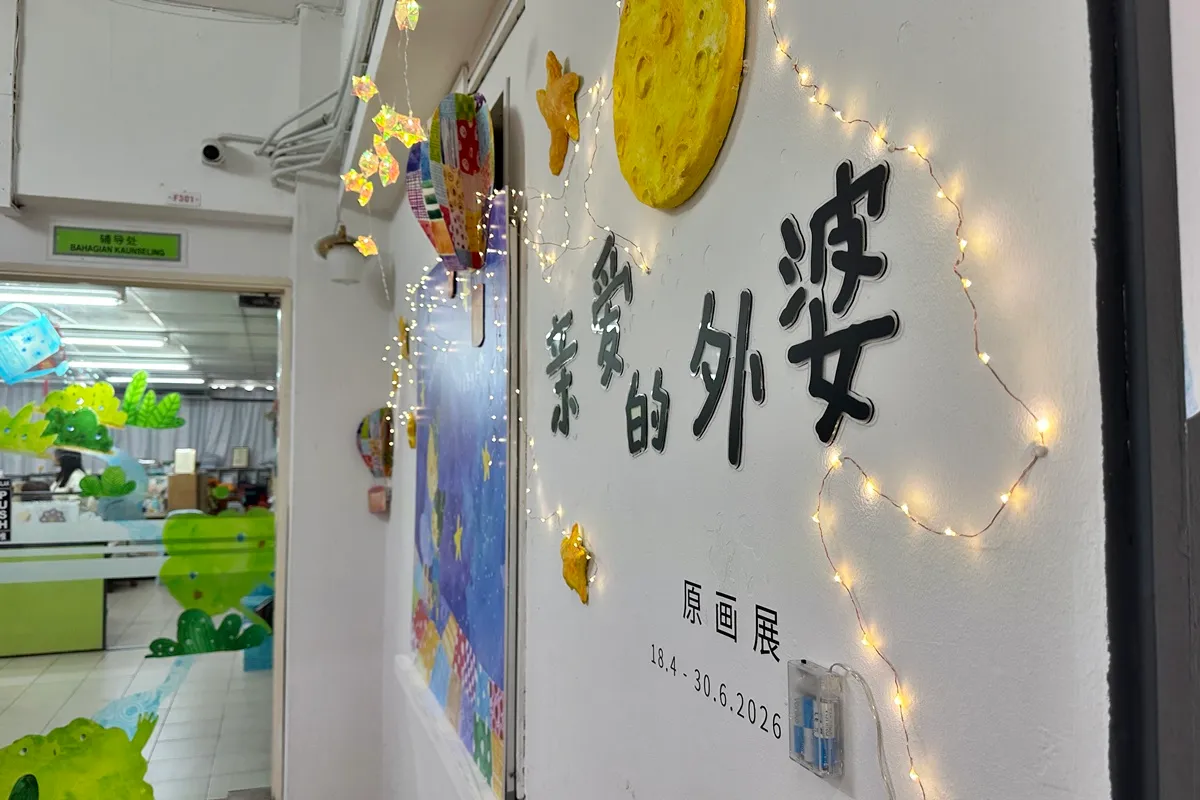
To ensure that life education extends beyond textbooks and the classroom, teachers and students spent several months bringing the project to life through a thoughtfully curated exhibition. Within the school grounds, an original artwork exhibition of My Beloved Grandma was created, allowing elements of the picture book to become part of everyday campus life. In doing so, it opened up gentle opportunities for conversations about loss to emerge naturally among those who encountered it.
For the school and its teachers, the exhibition also became an extension of the learning space. As students were guided through My Beloved Grandma, the illustrations, words, pauses, and surrounding atmosphere offered more than a reading experience. Together, they created an immersive environment for reflection, inviting students to engage with themes of loss, remembrance, and relationships in a more personal and meaningful way.
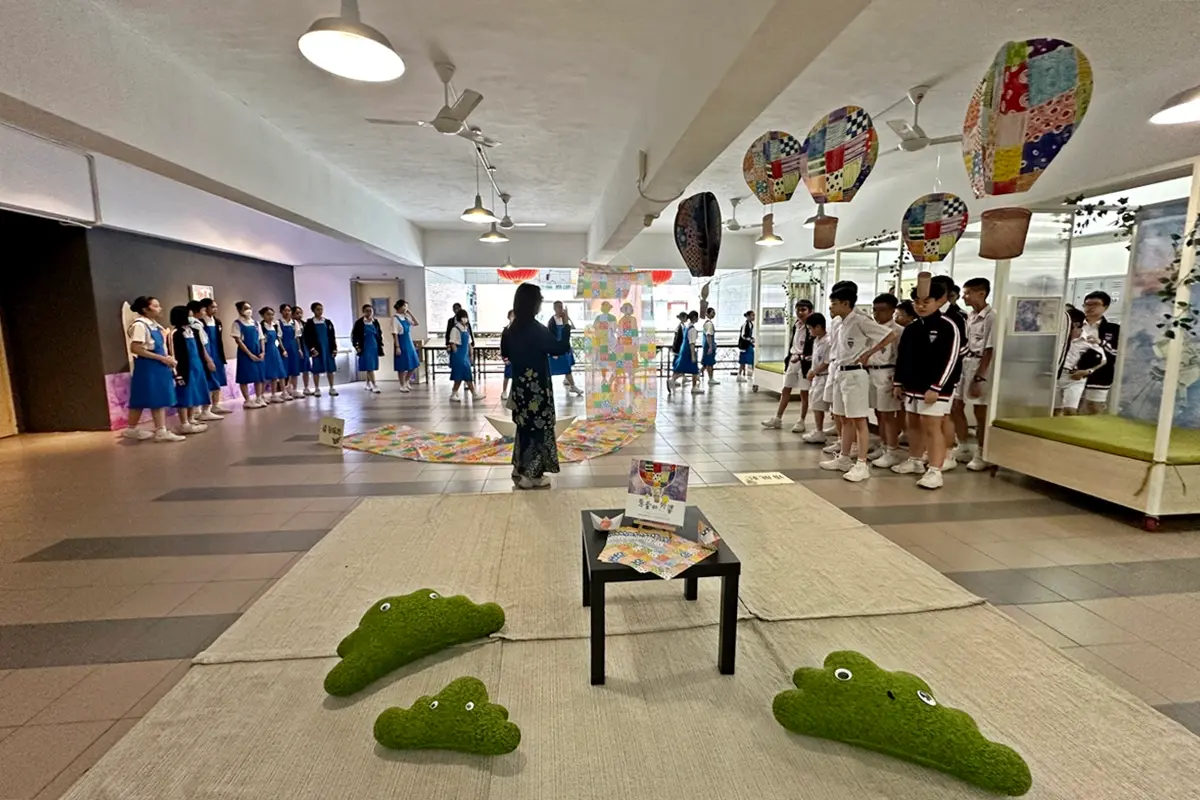
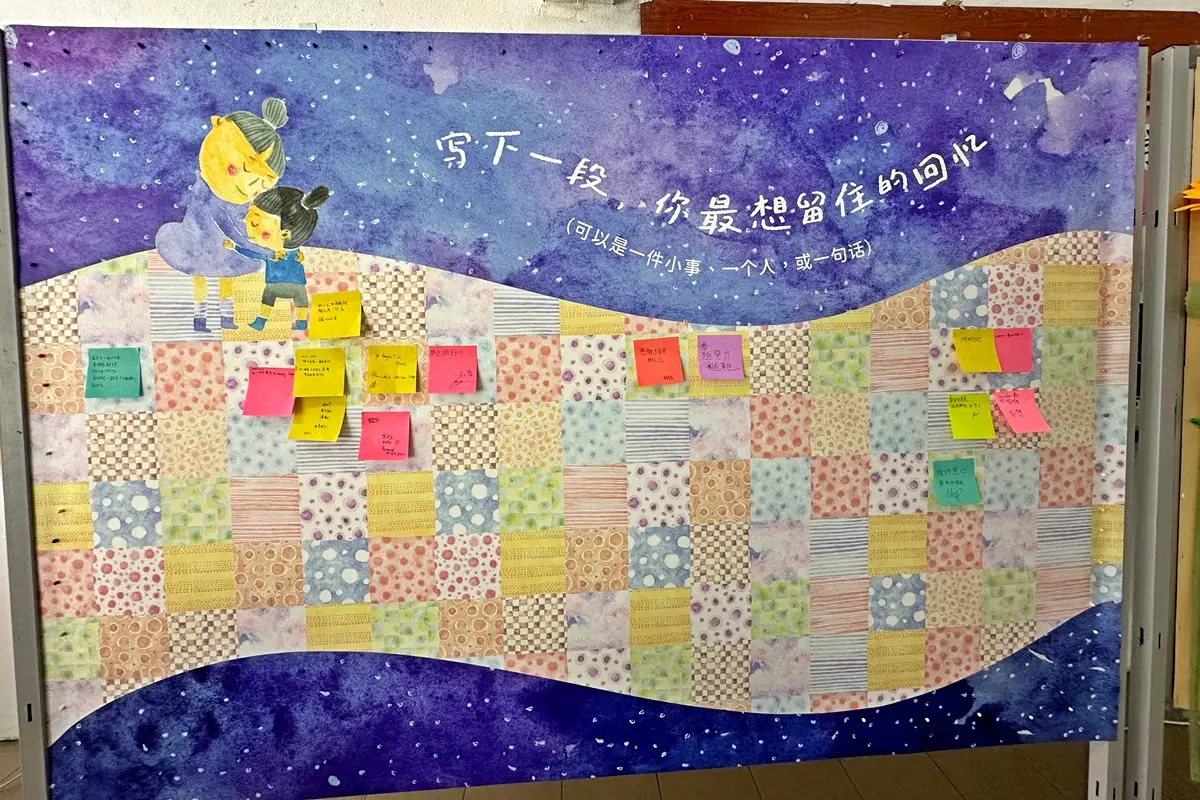
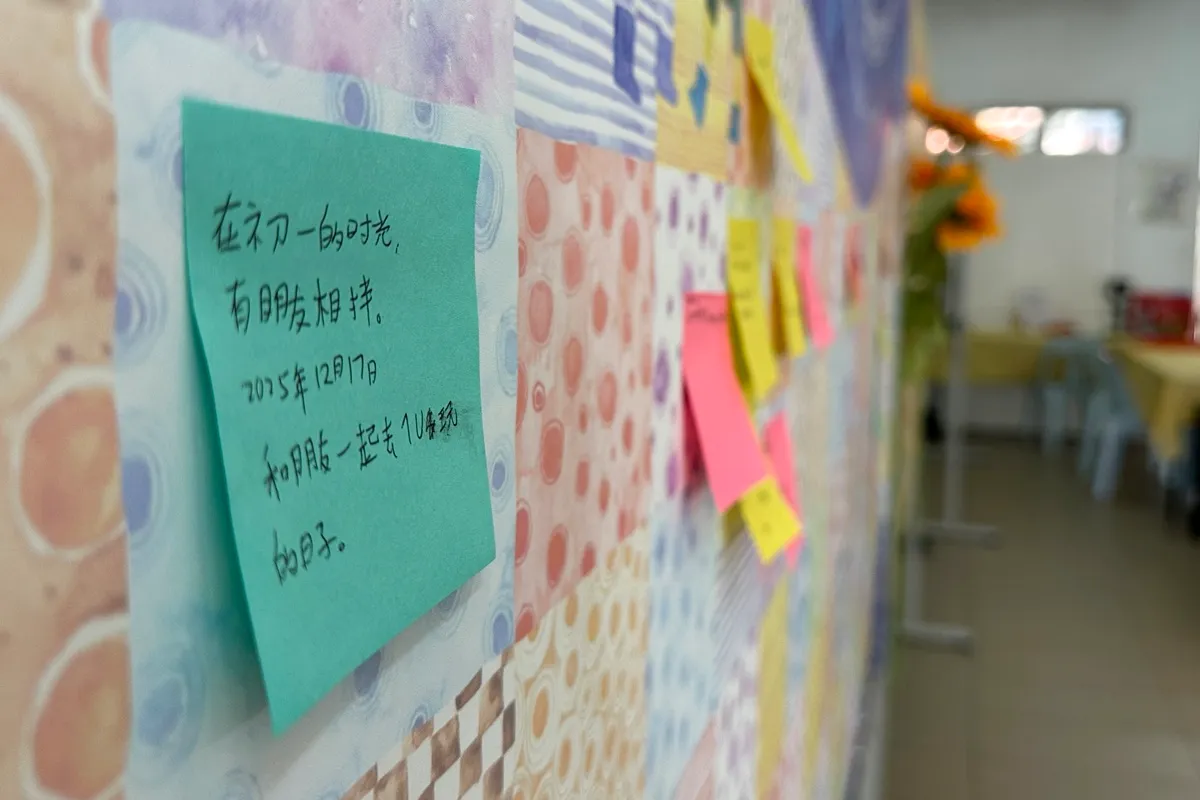
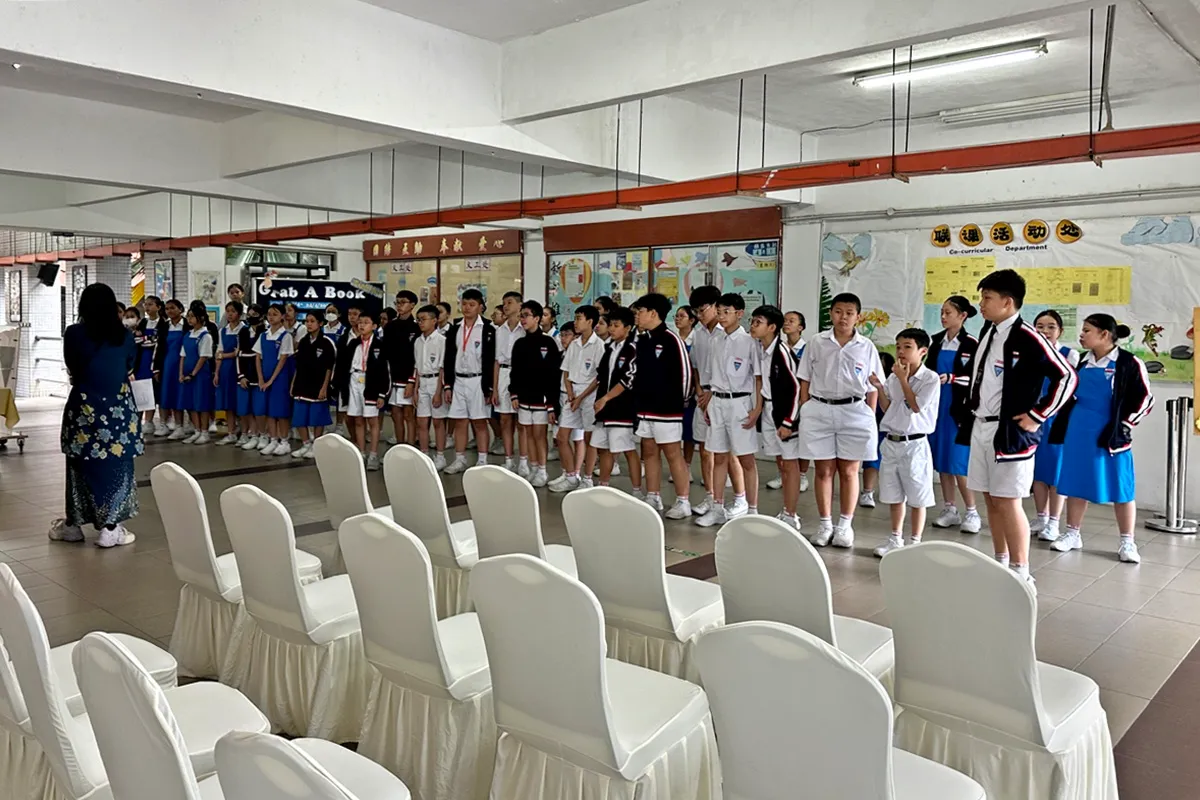
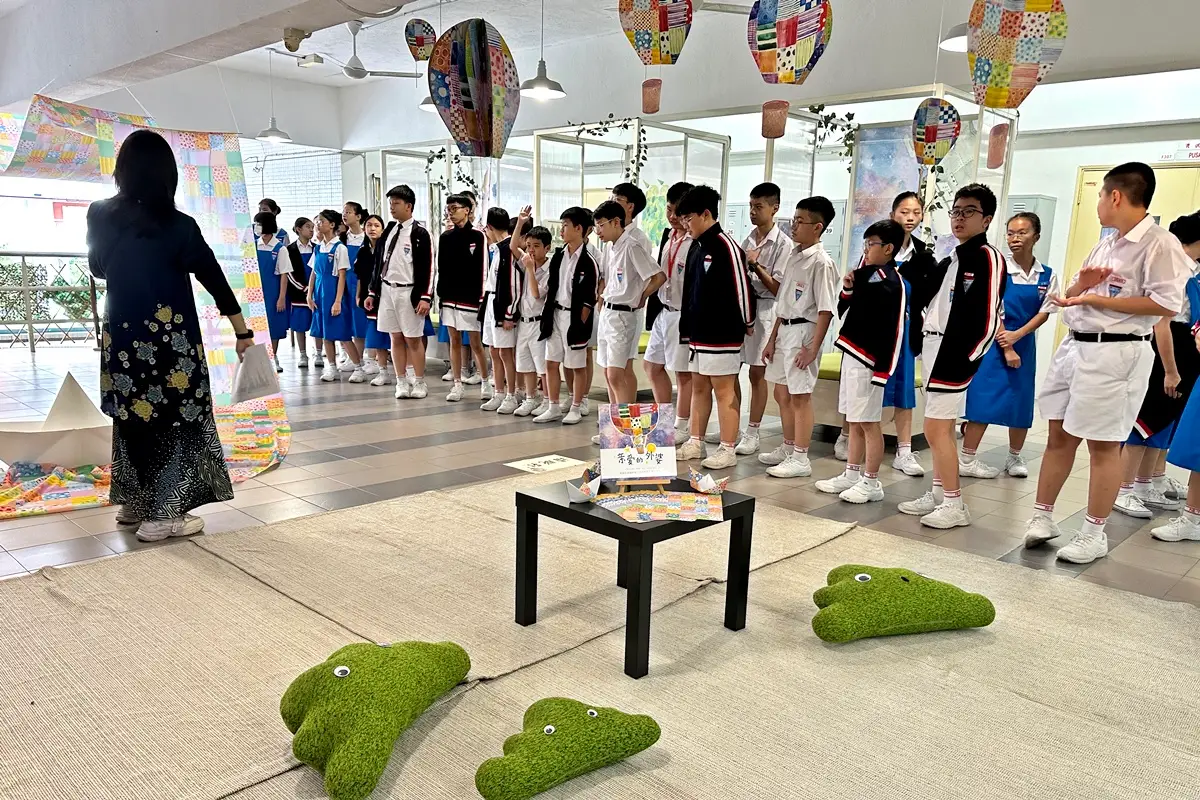
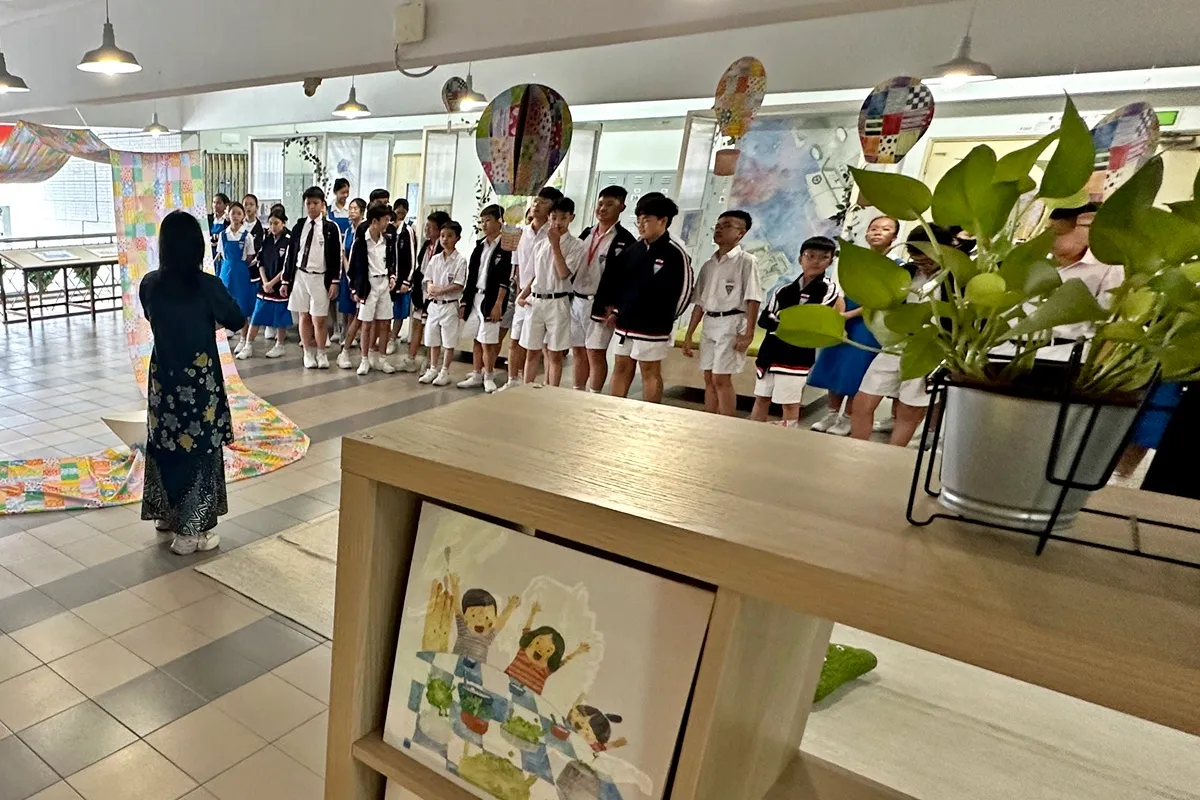
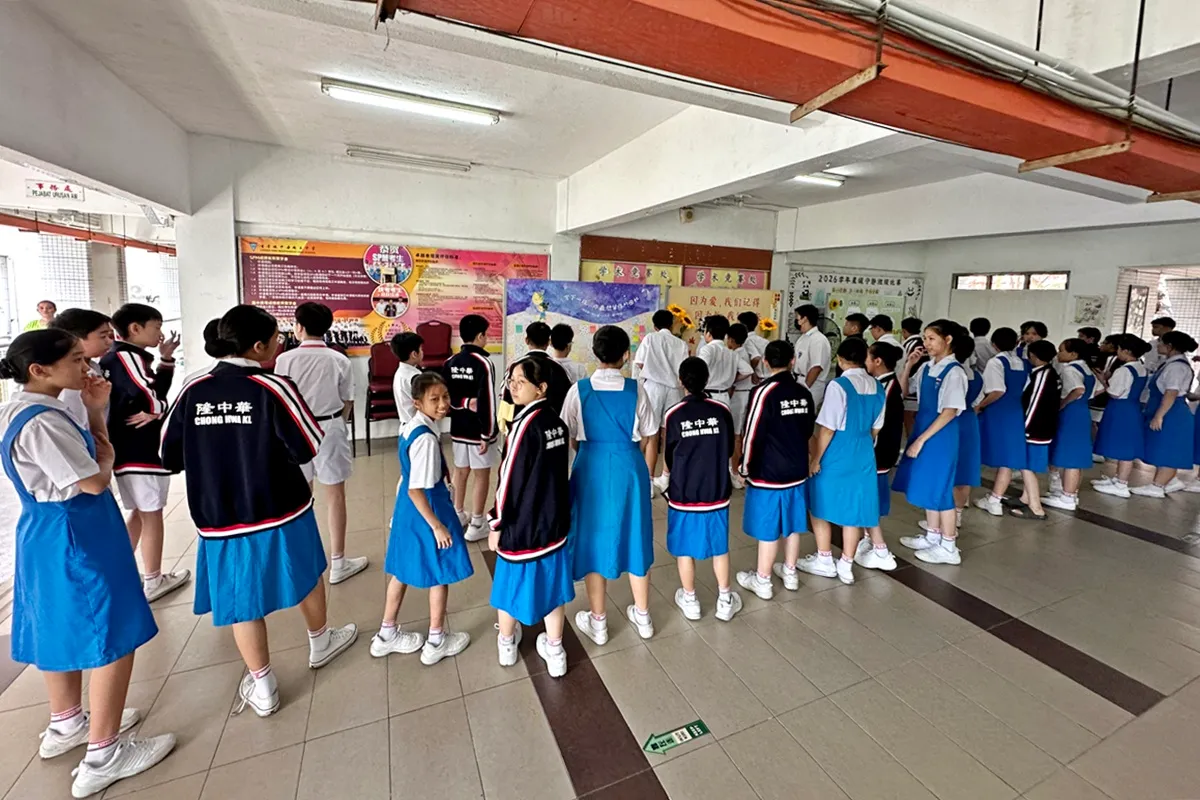
The My Beloved Grandma original artwork exhibition was more than a display of illustrations. It became a learning space where teachers guided students through the picture book and explored themes of loss, remembrance, and relationships—inviting them to step into the world of the story and engage with these conversations in a natural way.
A Sharing Session, A Conversation About Remembrance
As part of the Life and Care series, the school also hosted a sharing session for My Beloved Grandma, featuring the book’s creators, Fong Yee Leong and Ikuwashi, together with moderator PM Wang. Open to students, teachers, parents, alumni, and members of the wider community, the session invited people of different ages to step into the stories behind the picture book.
There was no attempt to centre the session on sadness. Instead, the afternoon was filled with interaction, laughter, and warmth. Through stories from the creative process, the speakers reflected on their own memories of their grandmothers and the bonds they shared. In doing so, they shared a gentle reminder that loss is not always defined by sorrow; sometimes, it can also be expressed through remembrance, gratitude, and the quiet presence of love.
During the session, Fong Yee Leong shared a personal experience following his grandmother’s passing. He had encouraged his family not to rush into clearing her room, but to preserve the space after basic cleaning and sanitisation. To the family, it remained a pathway to connection more than just a room. Familiar scents, a well-used chair, and the light streaming through the window became vessels of memory, helping family members stay connected to the grandmother they missed. During one Lunar New Year, the family even gathered in her room, sharing stories and memories together.
Meanwhile, Ikuwashi reflected on how much he missed hearing his grandmother tell stories. The stories she shared, along with her expressions and voice, became some of his most vivid childhood memories. Many of these recollections eventually found their way into the pages of My Beloved Grandma. The picture book is more than a creative work; it is a way of staying connected to someone who remains deeply remembered. Through it, readers may also find their own paths back to the people they continue to hold close.
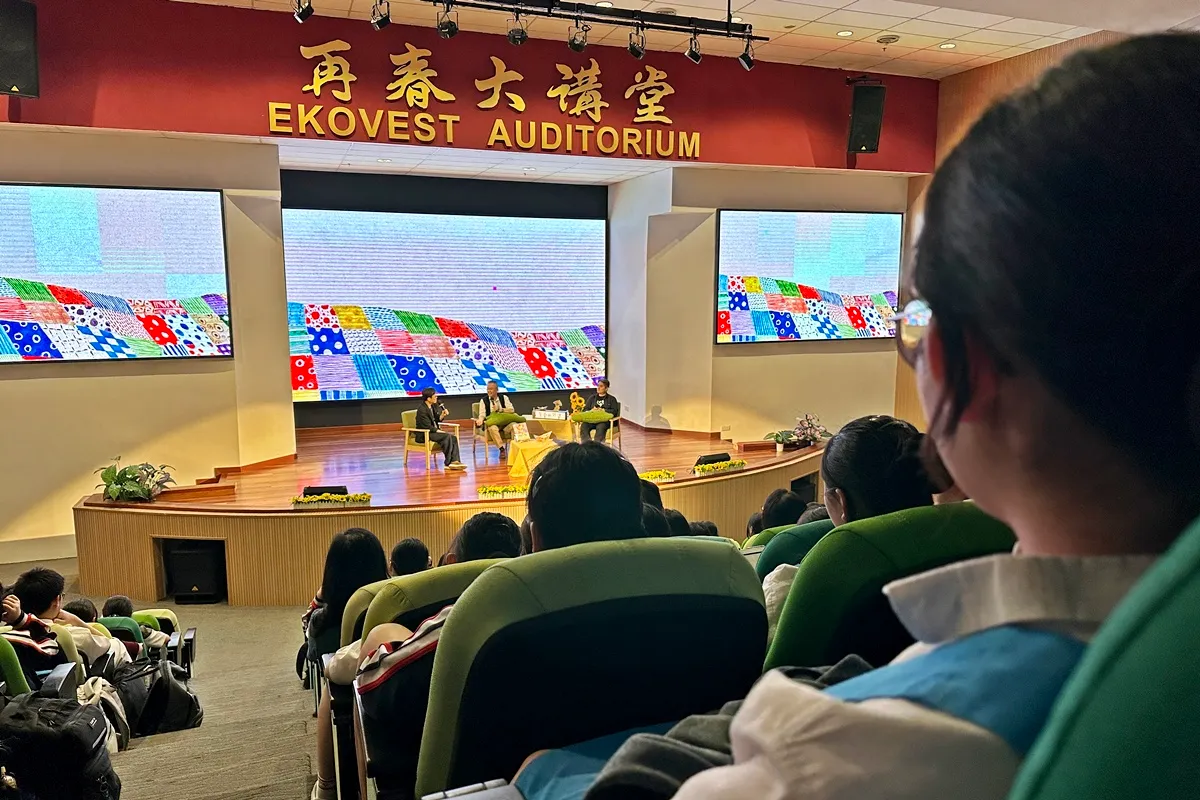
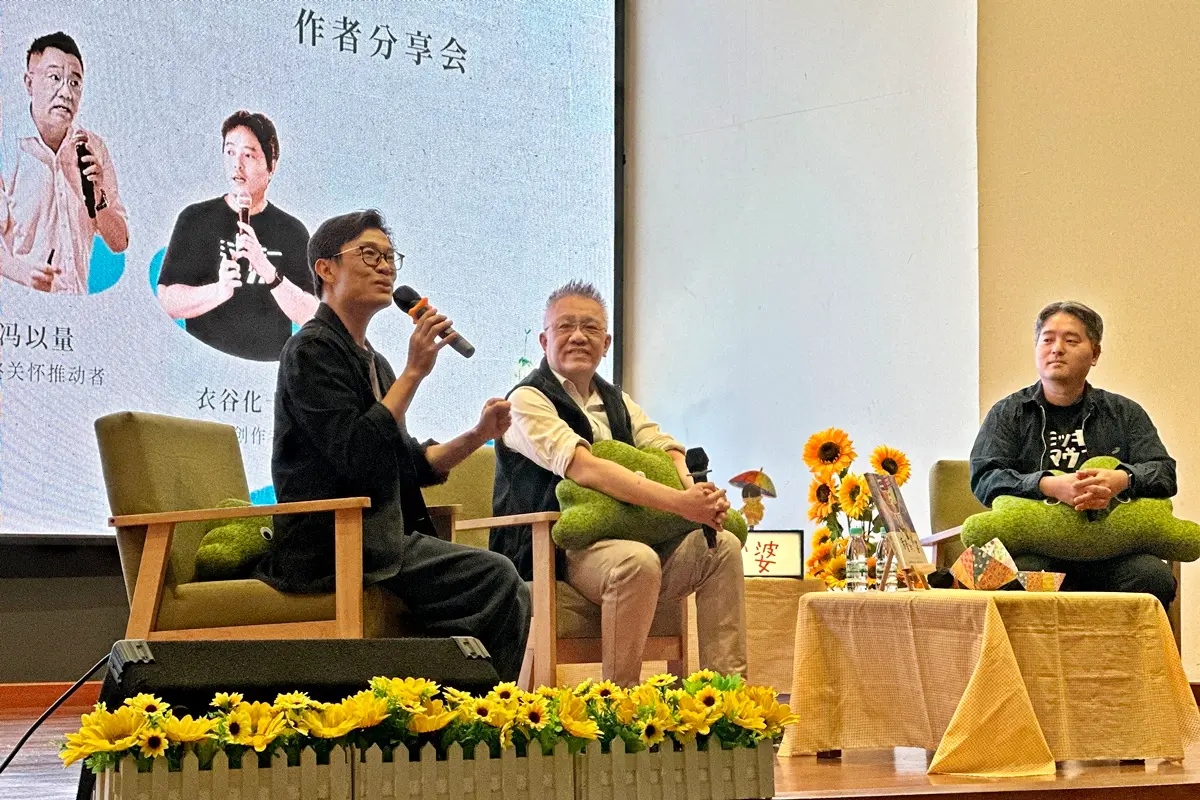
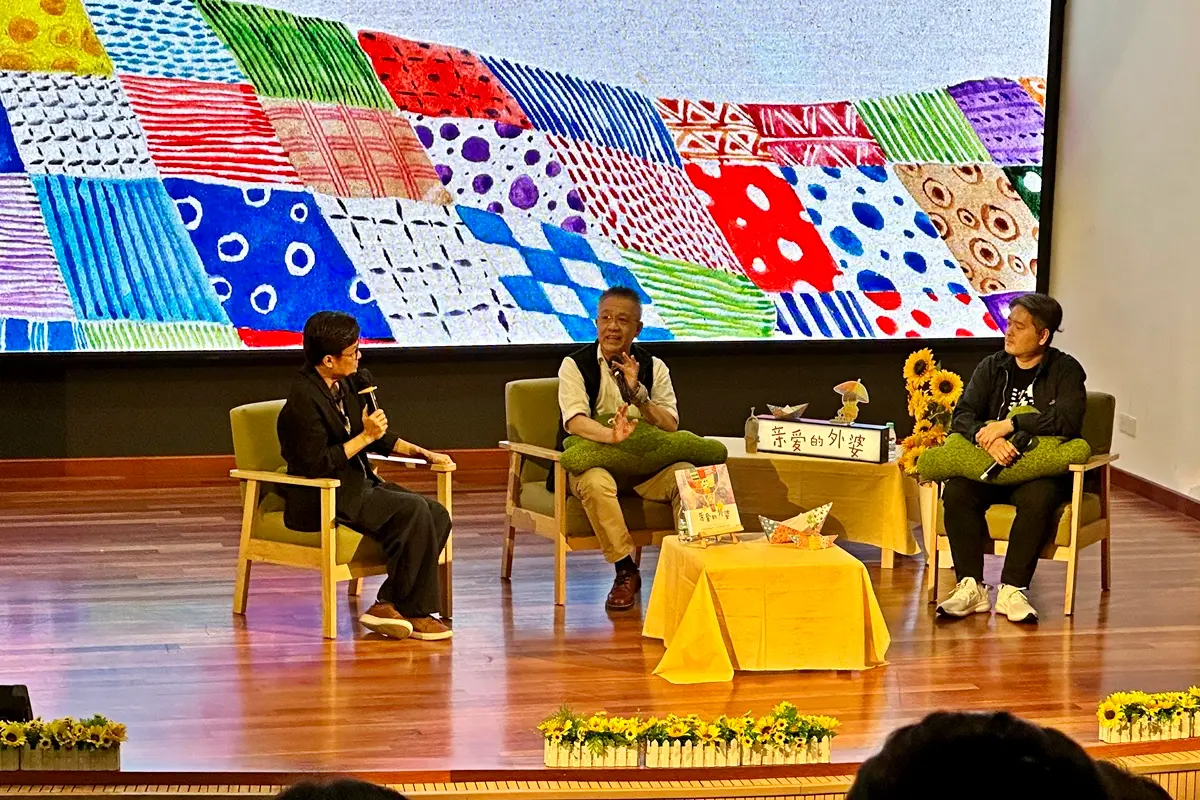
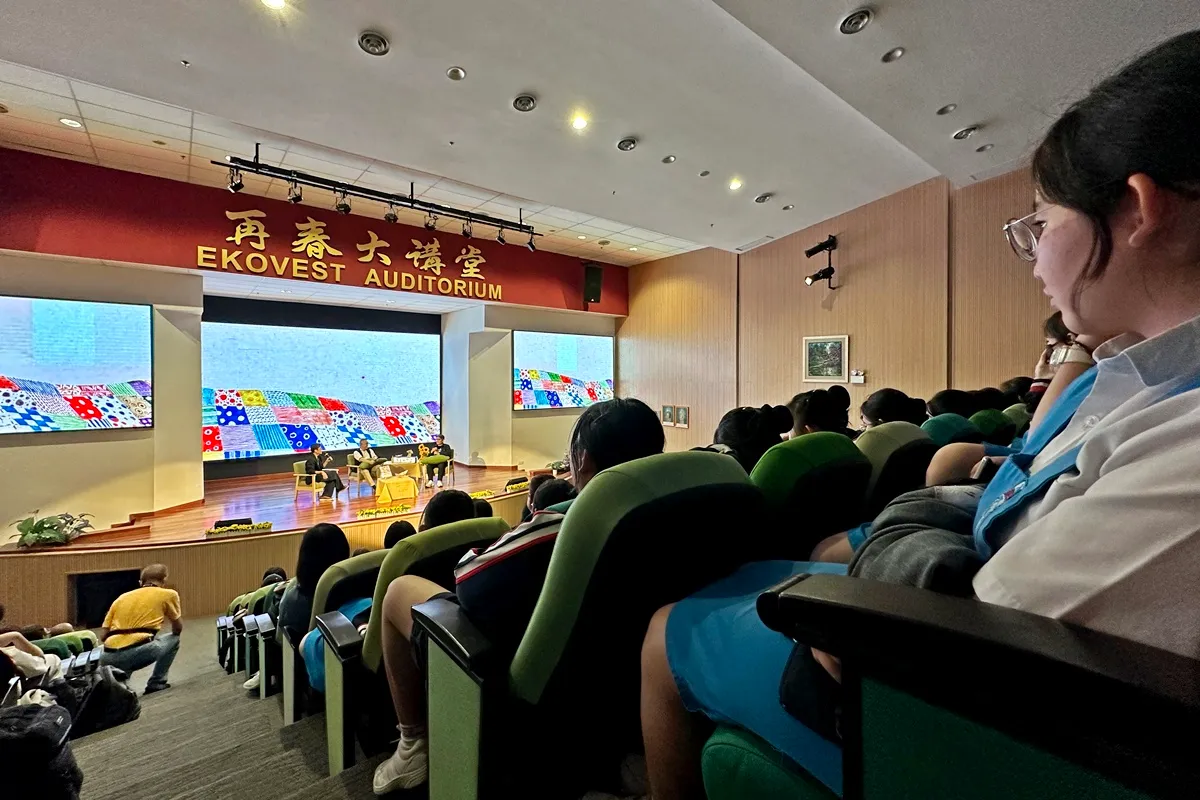
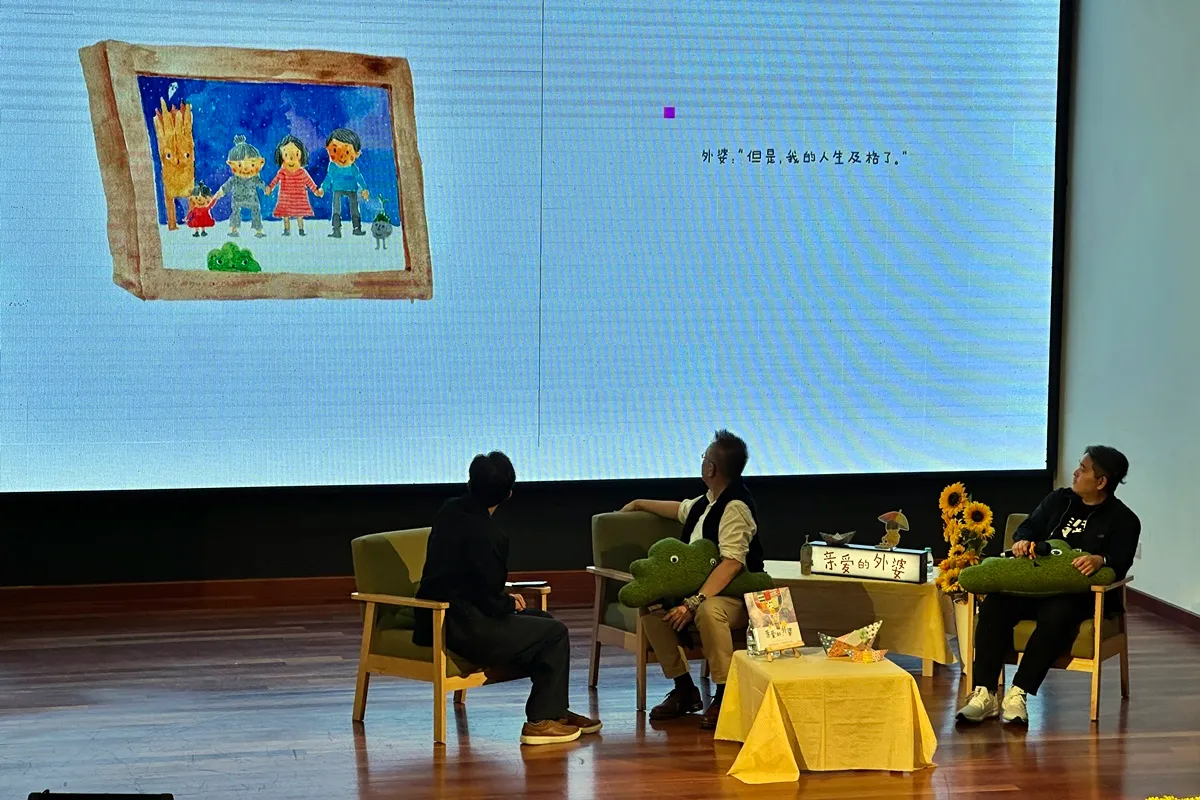
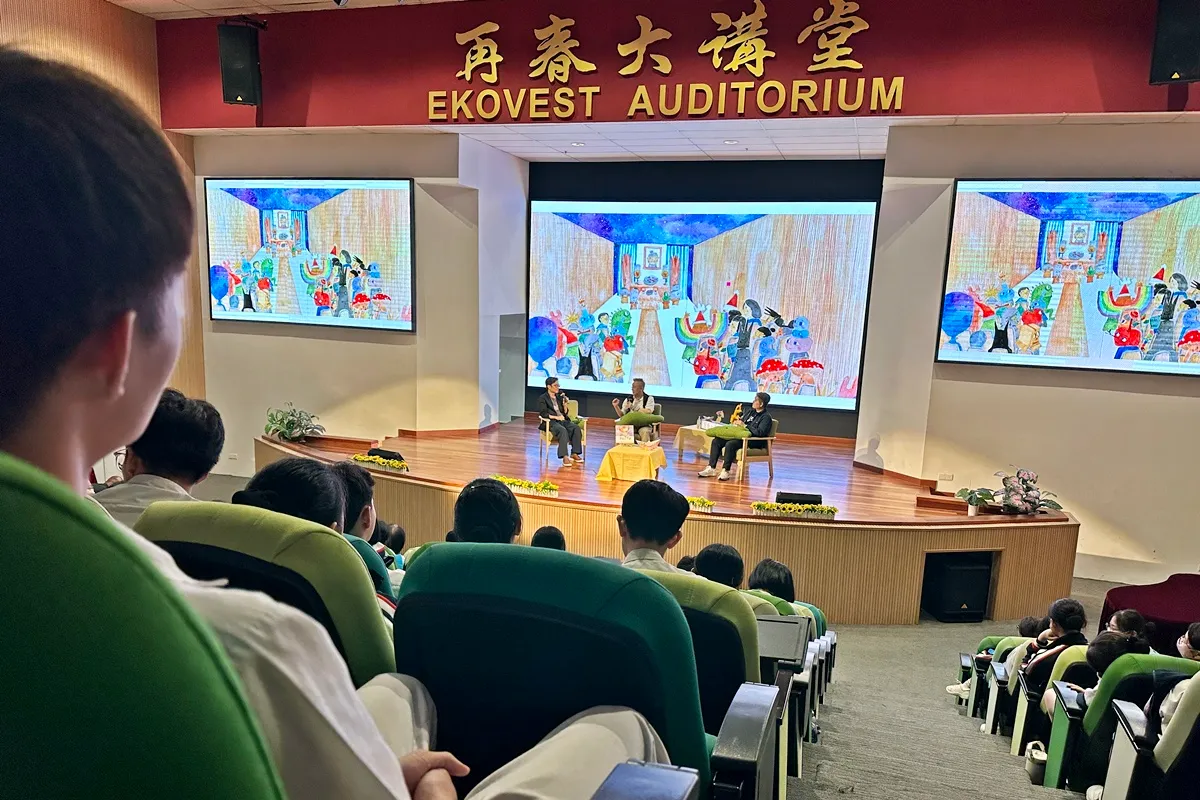
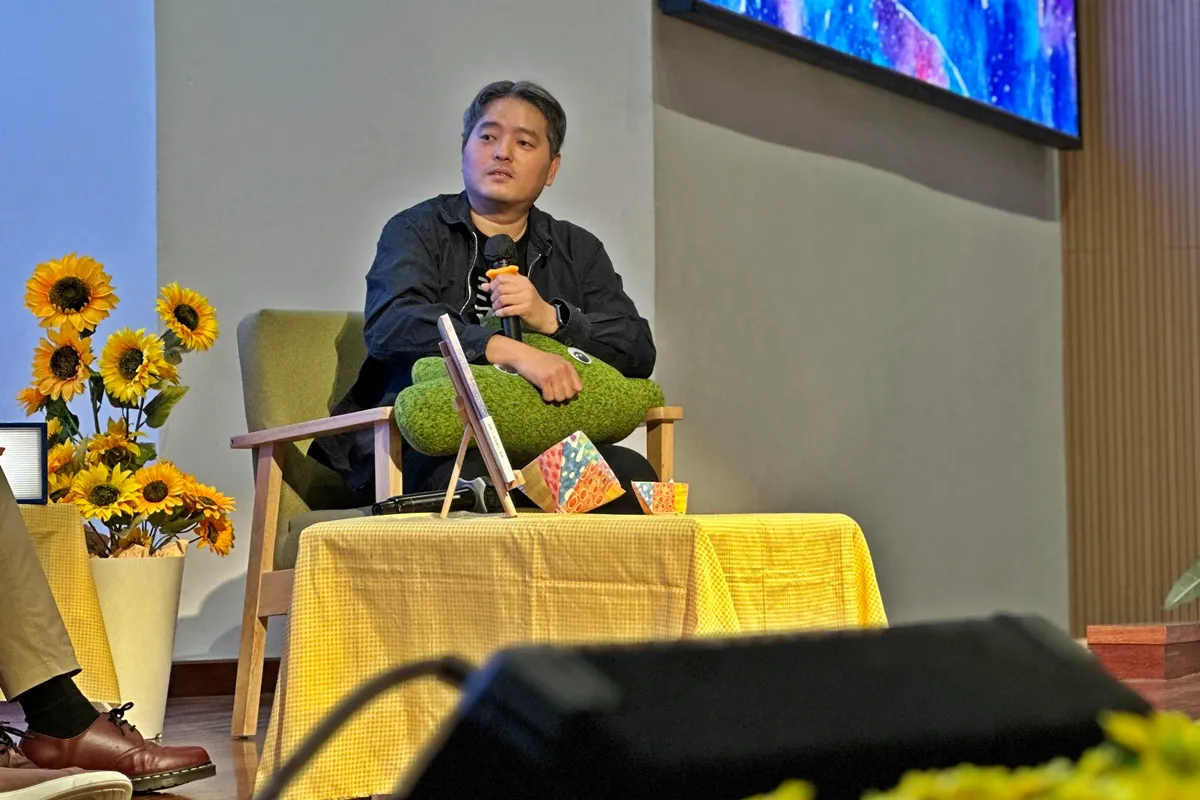
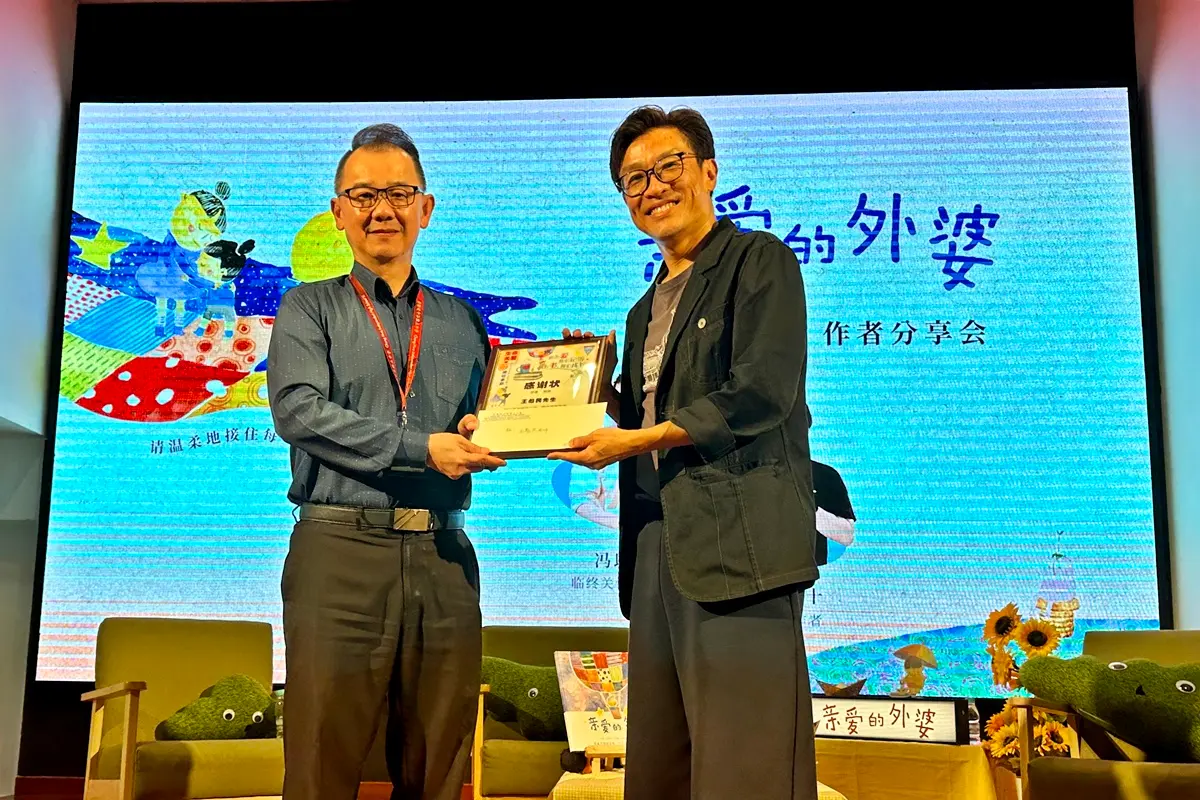
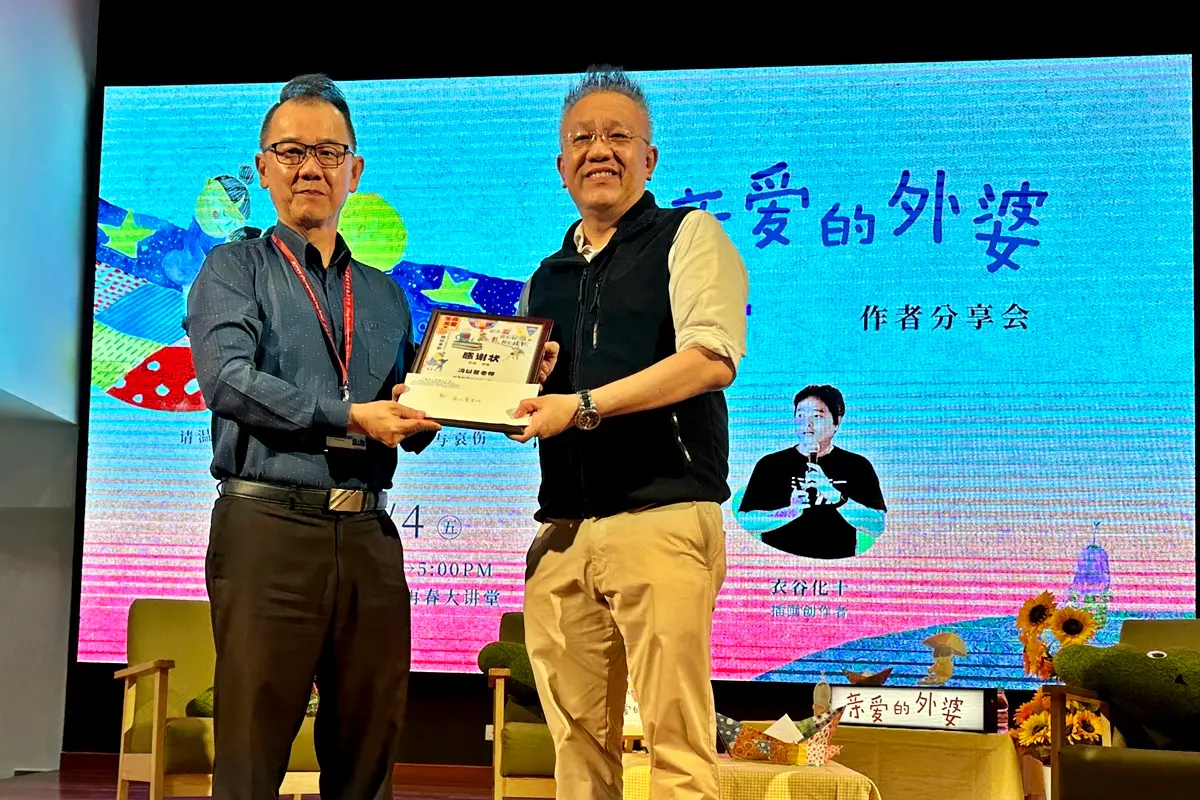
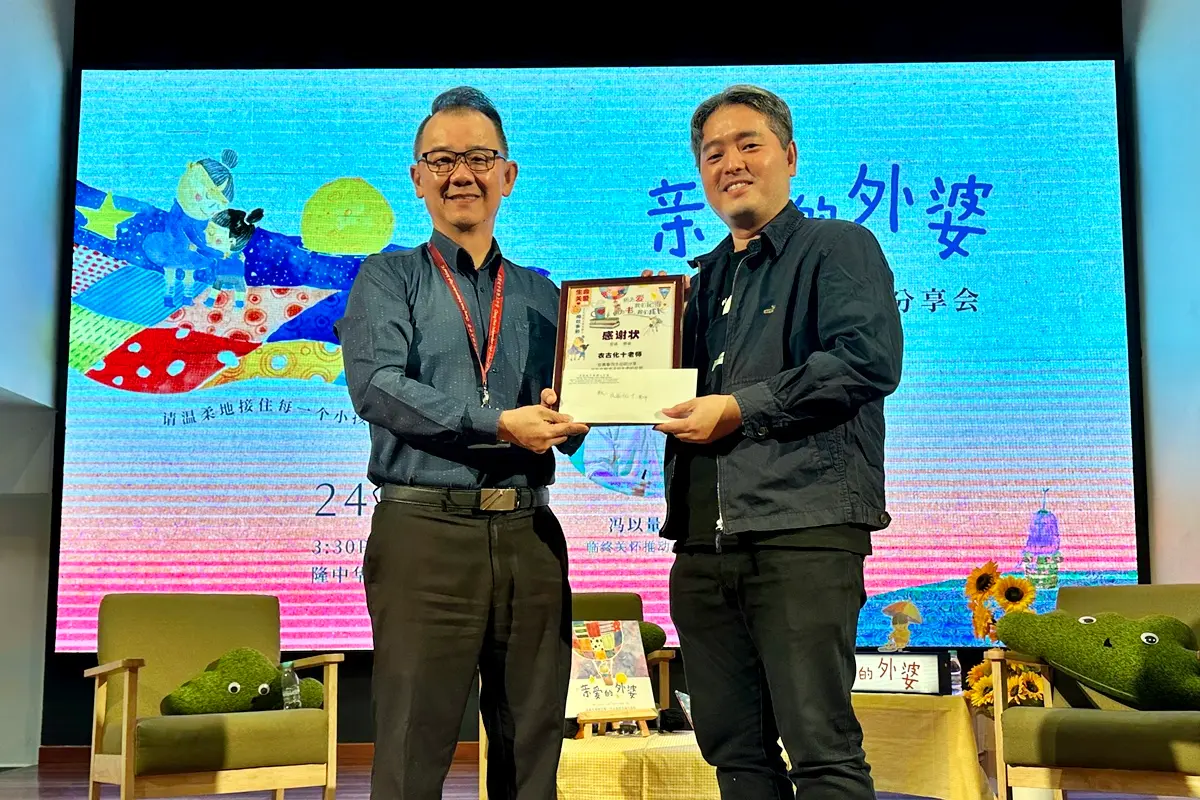
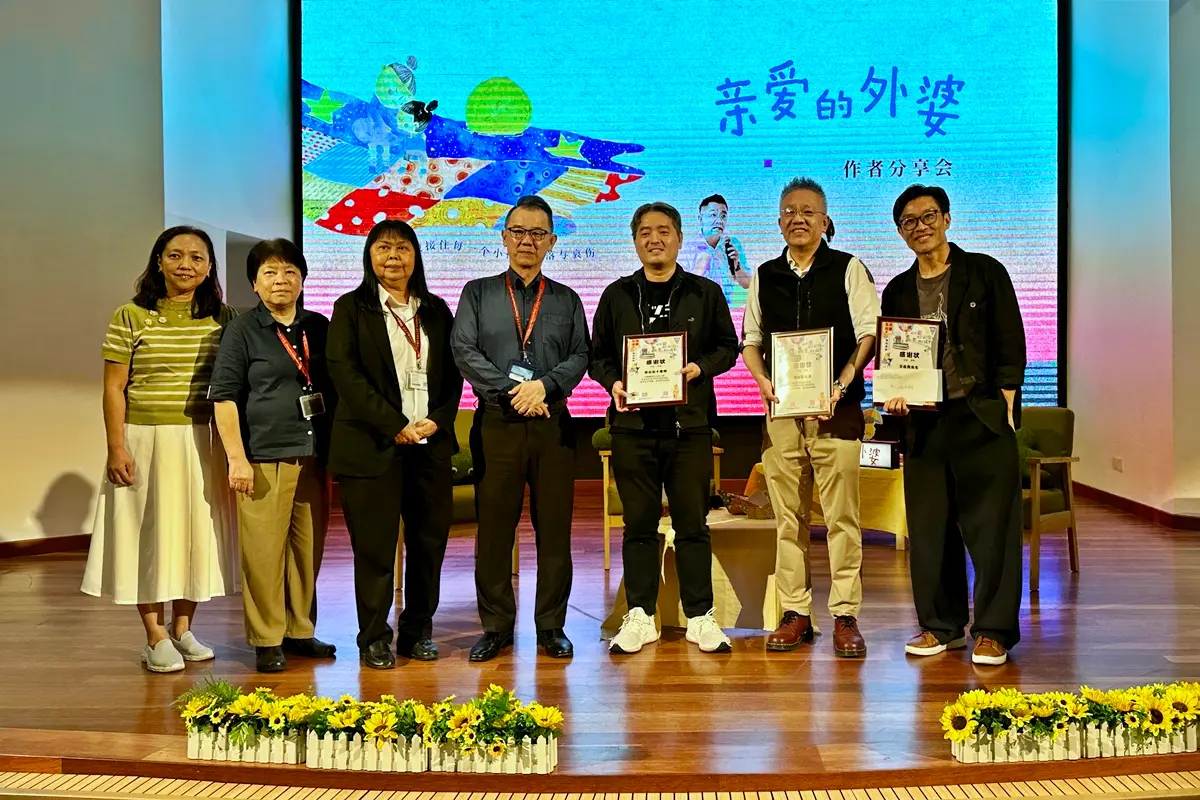
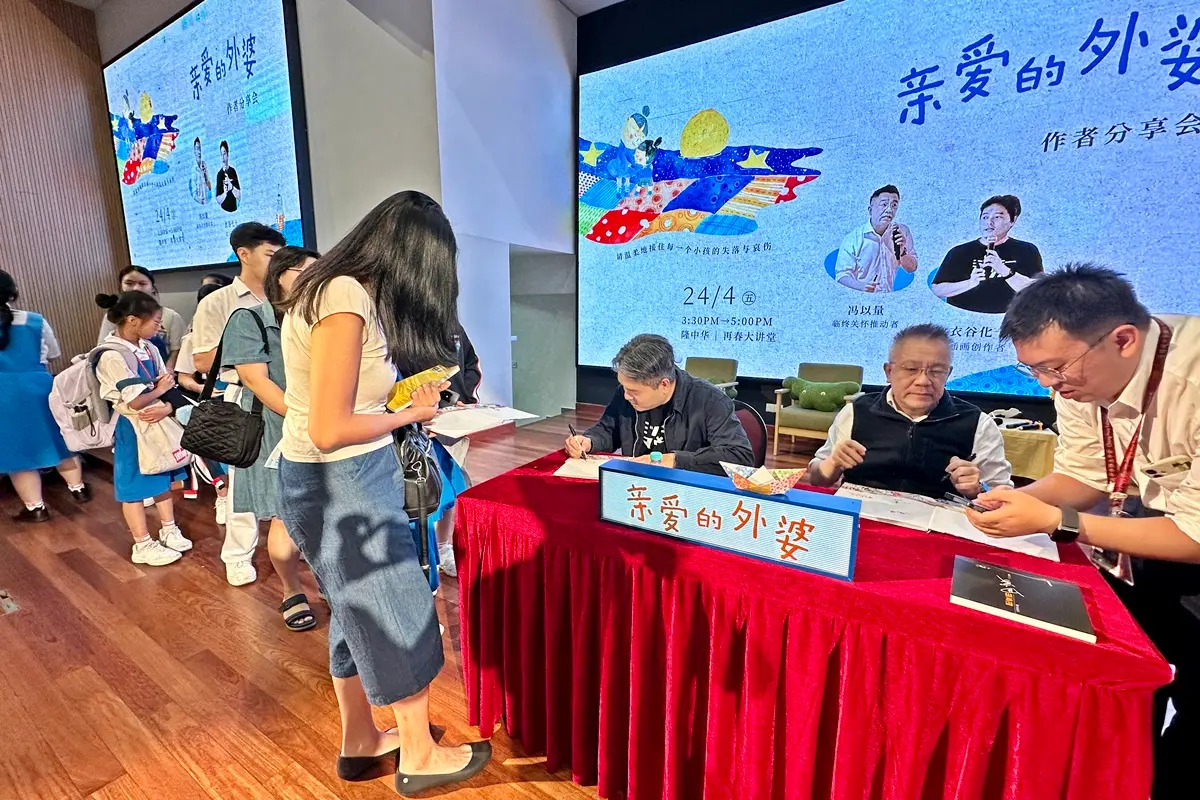
At the My Beloved Grandma sharing session, the authors reflected on their creative journey and personal life experiences, inviting participants to consider how we continue to stay connected to those we miss after loss.
Stitching Memories Together
In addition, illustrator Ikuwashi conducted a workshop for the school’s counselling teachers. More than an art workshop, it was an invitation to reconnect with memories and the people who continue to hold a place in their hearts.
Teachers were invited to reflect on someone they missed and transform their memories into a fabric square of their own. Some illustrated a favourite bowl of bak kut teh once shared together. Others drew a beloved football team, or a traditional bakery once run by their grandparents. Each square became a small window into a cherished relationship and the memories that remain.
One teacher shared, “I don’t even like bread, but for some reason, I find myself missing it today.” Through the quiet process of creating, participants found themselves drawing closer to emotions and memories they had not revisited for a long time.
The Hundred-Family Quilt is one of the central symbols in My Beloved Grandma. In many traditional communities, a hundred-family quilt is made from fabric contributed by different families and carries with it wishes for a child’s healthy growth and well-being. The workshop drew on this tradition with a similar spirit. As in the picture book, the quilt reminds us that even in the presence of loss, love continues to be shared, memories continue to be cherished, and blessings continue to be passed from one generation to the next.
When the quilt was finally completed, it became more than a collective creation. Each patch carried a story, a memory, or a person who remained deeply cherished. Together, they became a shared reminder that while loss may leave an empty space behind, love and memories remain with us.
What began as personal memories also became something shared. Through listening, creating, and accompanying one another, participants discovered how remembrance can become a source of comfort, understanding, and mutual support.
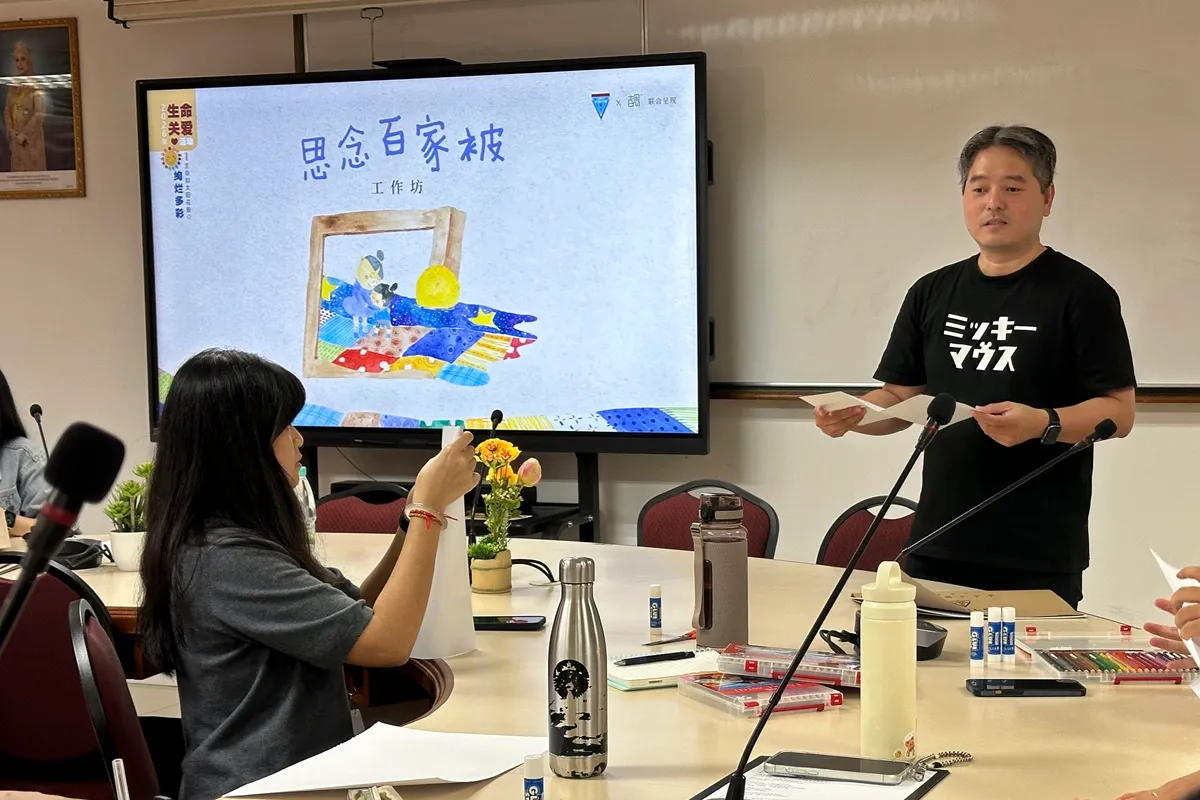
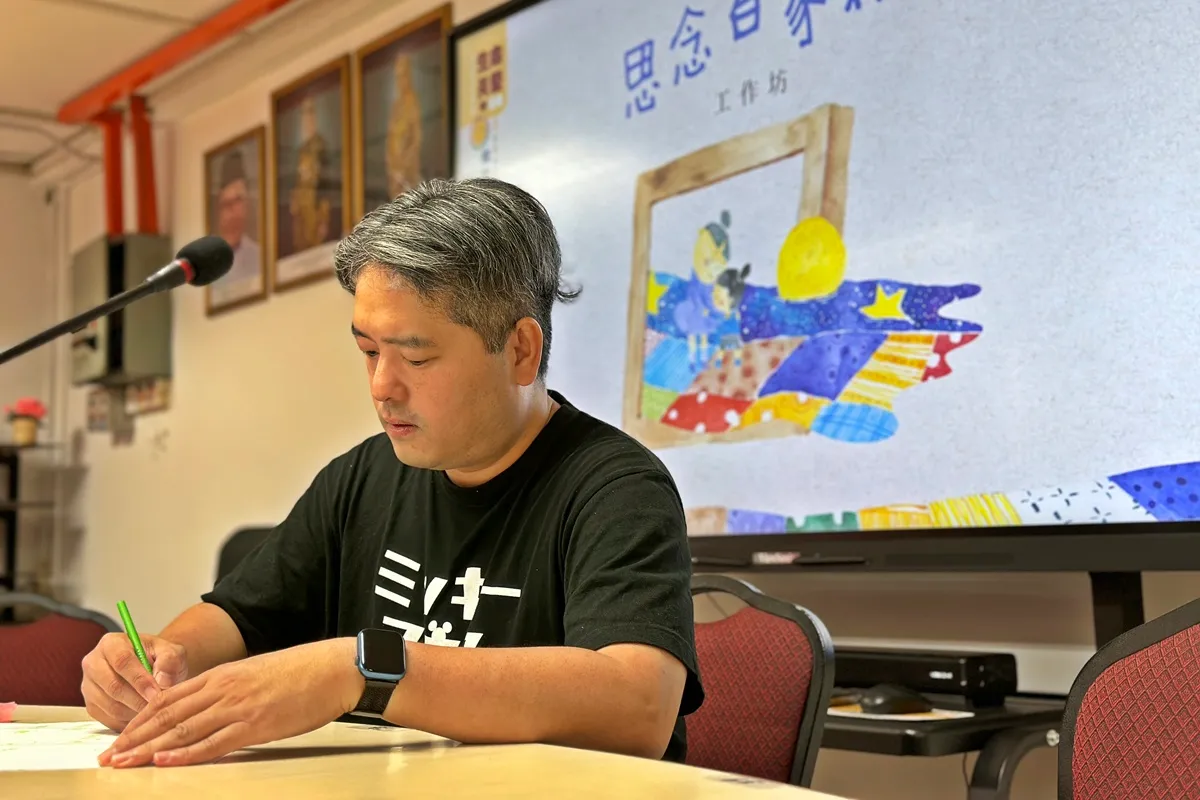
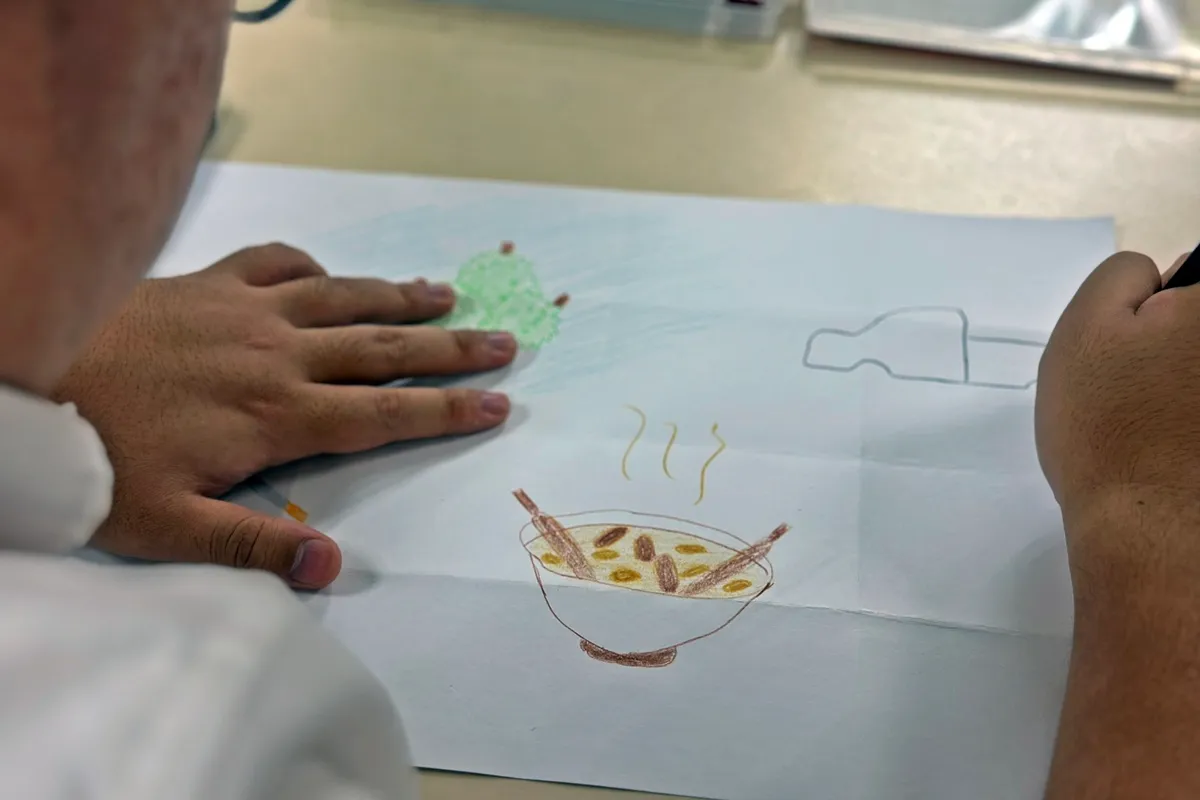
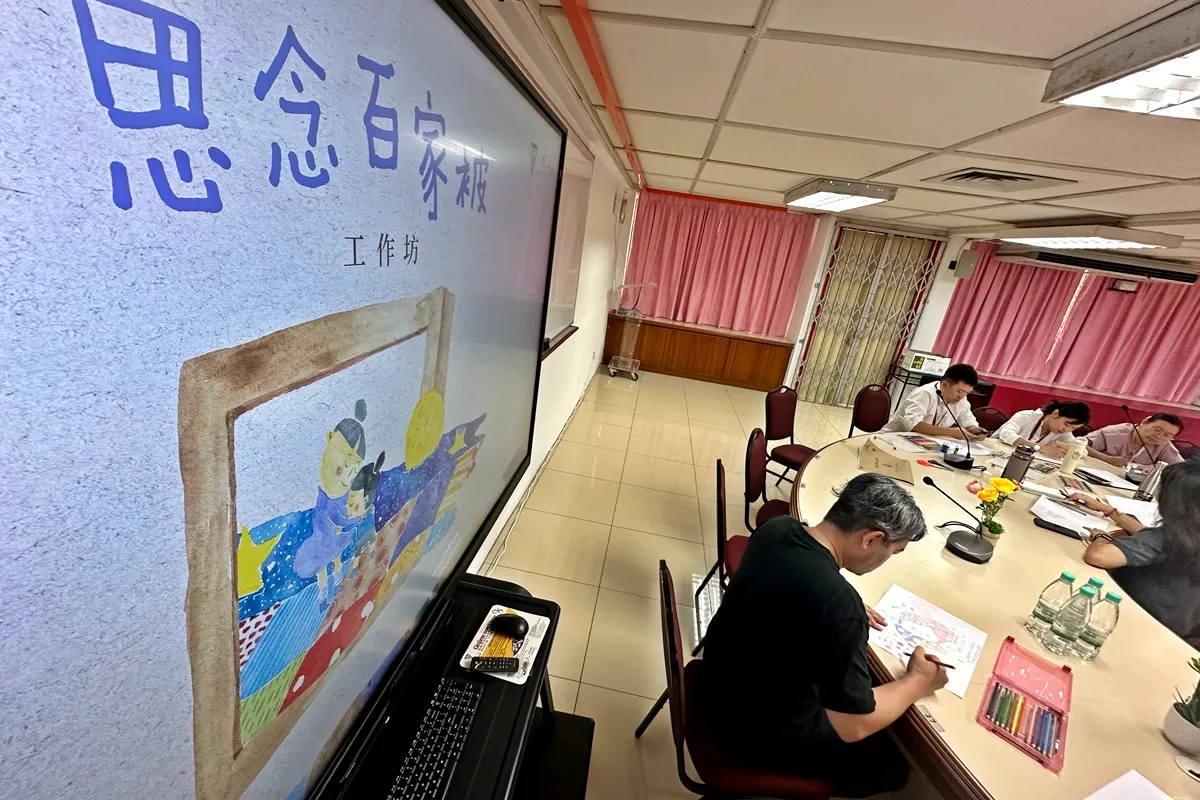
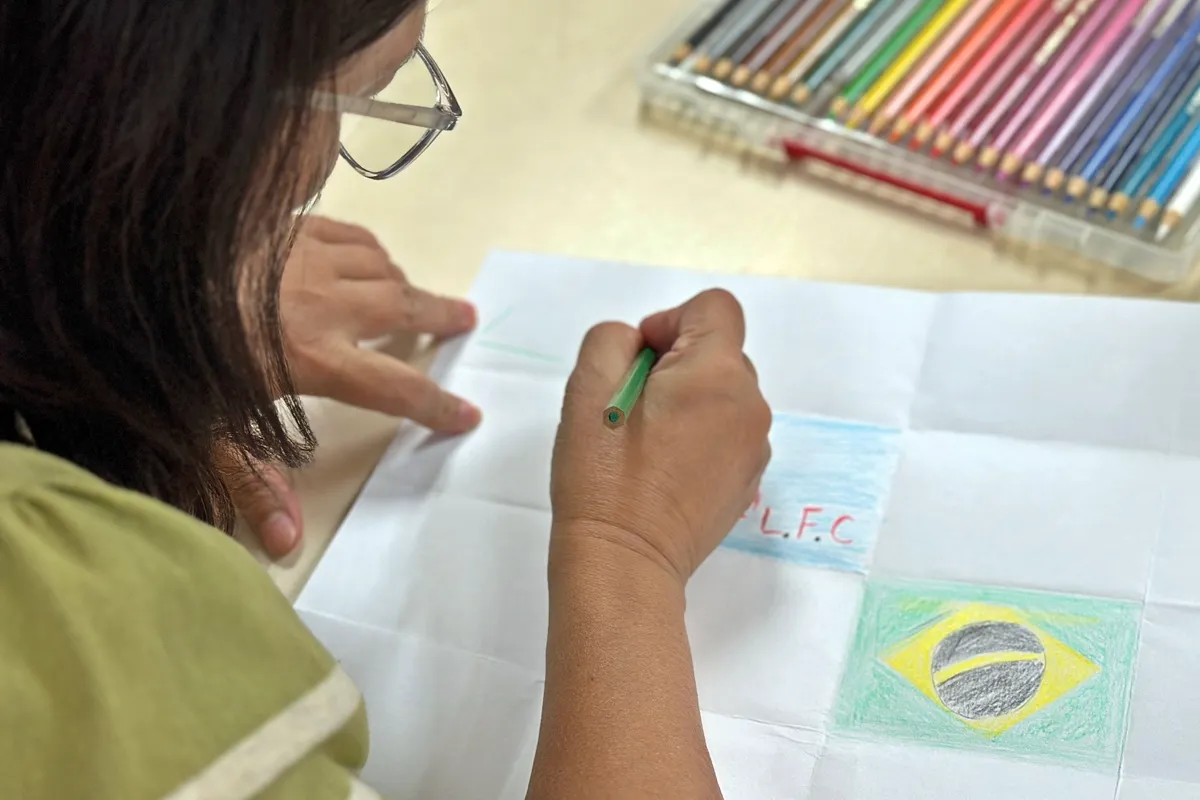
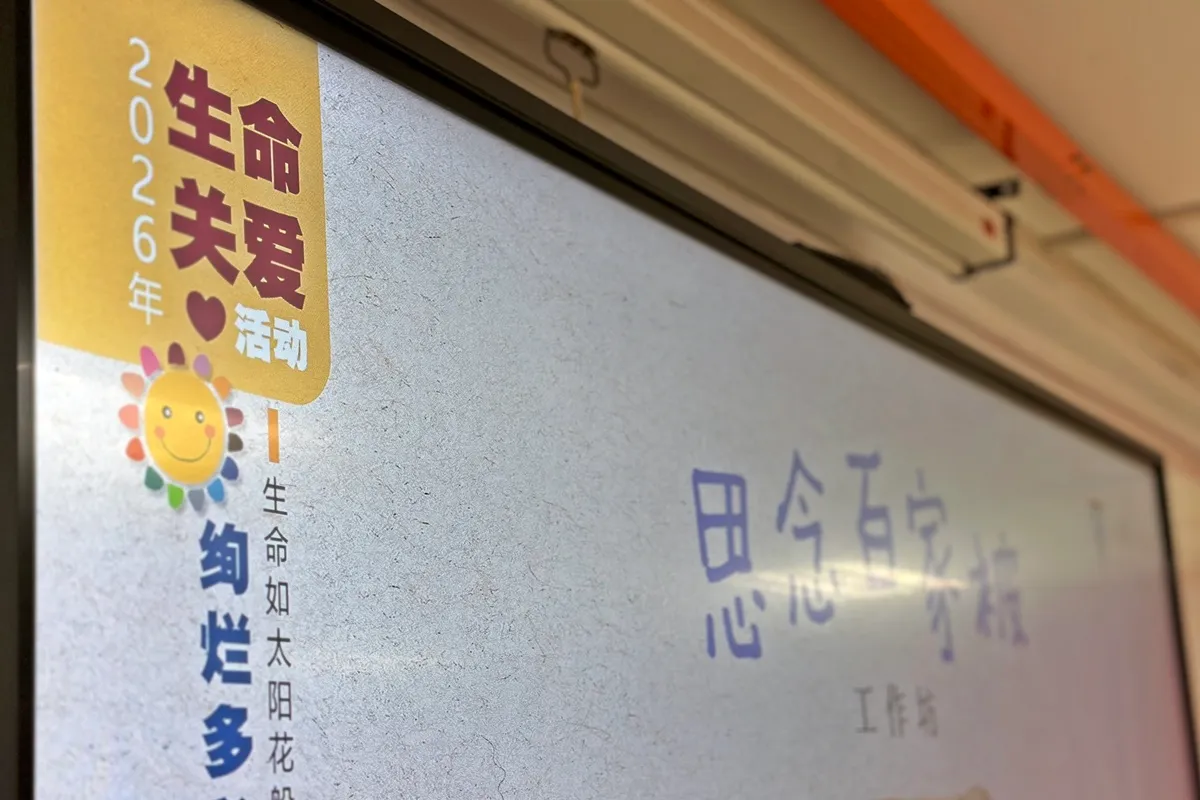
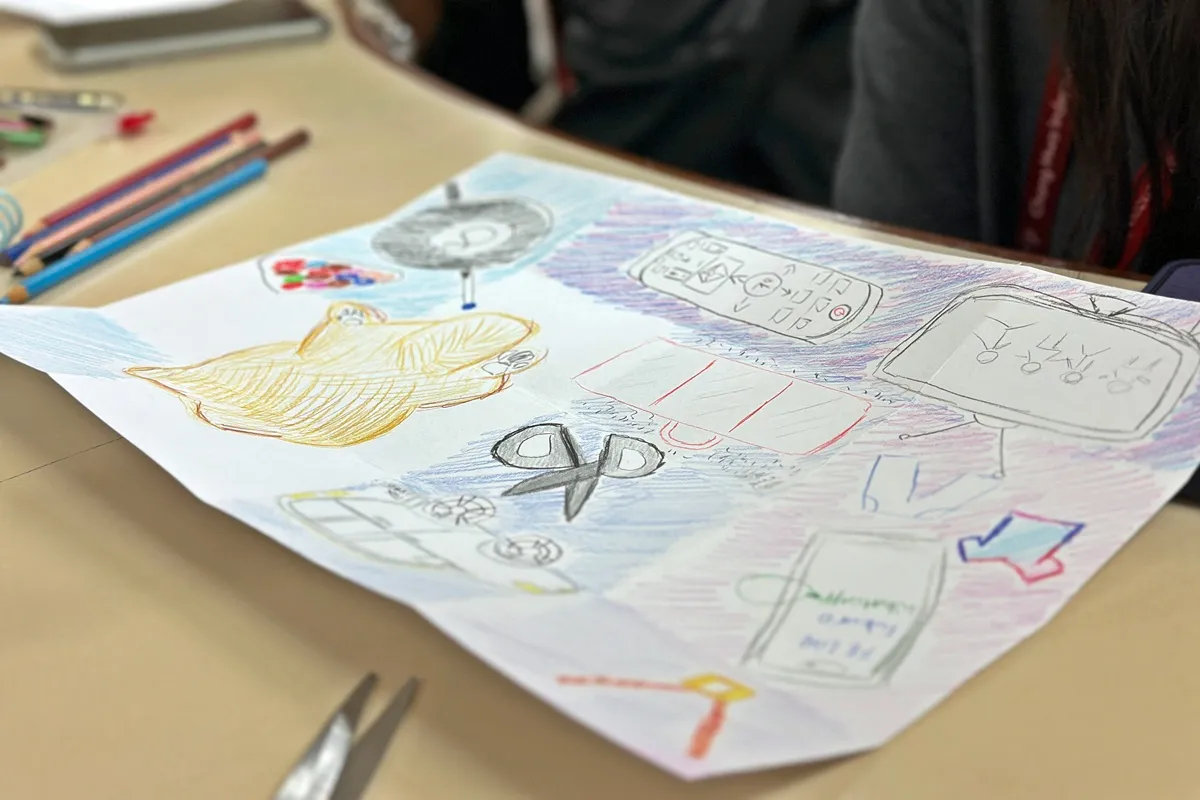
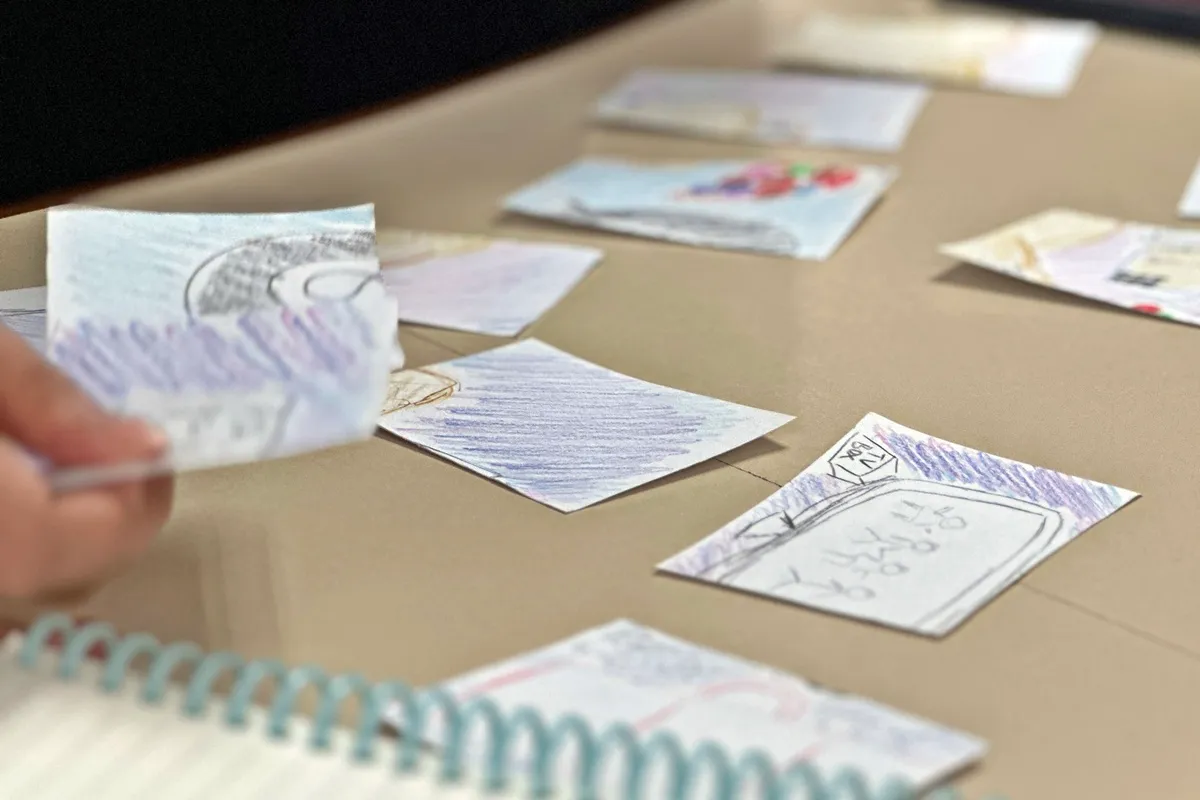
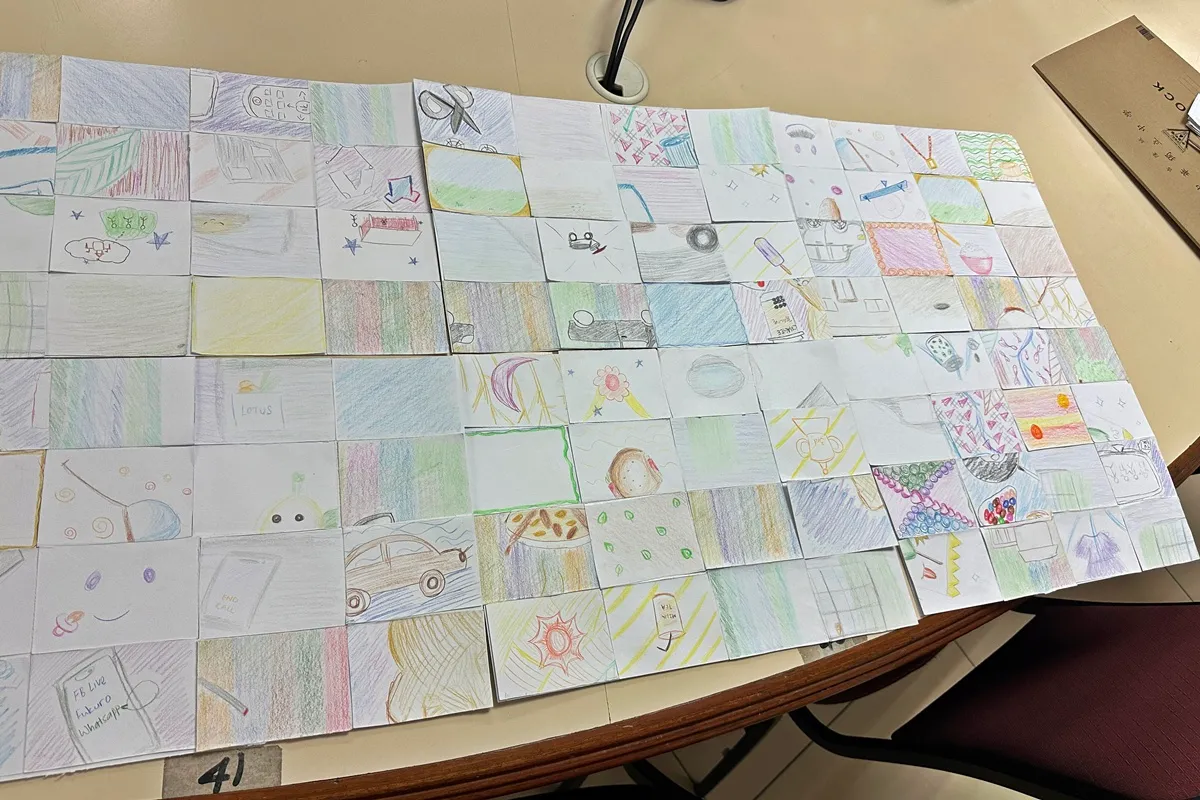
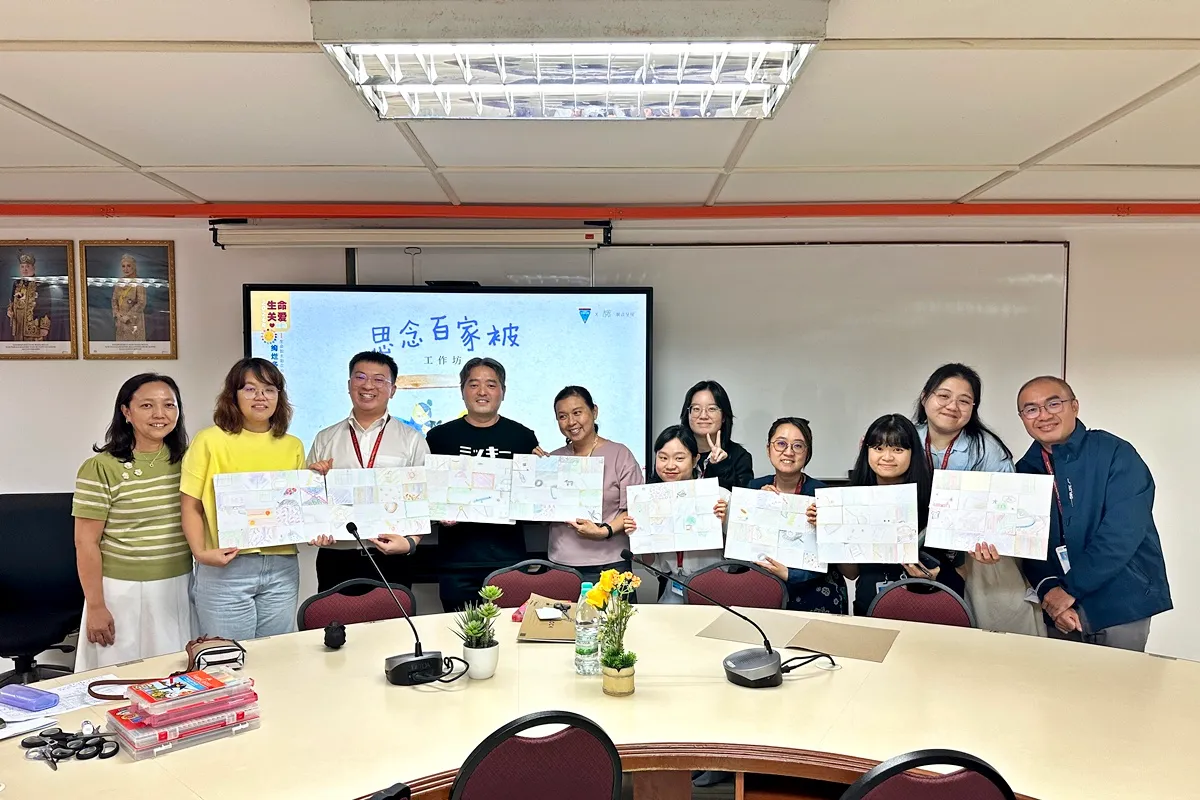
During My Beloved Grandma teachers’ workshop, participants illustrated cherished memories and the people they miss on individual fabric squares. As each piece came together, the quilt became a reflection of how love, relationships, and memories continue to stay with us.
A Quiet Change in the Way We Learn
The true significance of this milestone lies not in the number of activities, but in a growing belief that life education can shape how we live, learn, and care for one another.
When schools are willing to engage openly with topics of loss, grief, and appreciation, life education becomes more than a programme or a one-off event. It becomes an ongoing educational practice—one that helps young people understand loss, navigate grief, recognise the value of relationships, and reflect on what it truly means to live well.
As life education gradually finds its place within mainstream education, its impact may extend far beyond a handful of individuals. It has the potential to shape how an entire generation understands life, loss, and the connections that matter most.
Background | How Life Education Took Root at Chong Hwa

2022
The principal and teaching staff took part in a life education learning tour, laying the foundation for future life education initiatives on campus. Life education tours were subsequently opened to Form 4 students on an optional basis.
2023
The Life and Care Exhibition was launched, introducing life education as an ongoing campus initiative through exhibitions and curated learning experiences.
2024
The first Life Talk Show was held. Students took on the role of moderators for the first time, sharing the stage with life educators and practitioners as a meaningful graduation gift for Form 3 and Form 5 students.
2025
The Life Talk Show continued to evolve, with more students participating as moderators, further deepening a model of learning through shared life experiences.
2026
My Beloved Grandma was formally introduced into the junior secondary counselling curriculum, marking a new step as life education becomes part of mainstream education.
This Original article first appeared in《 PUMEN普门 》magazine. [ Click Here ]
Copyright Statement
This article and video is original content created by Xiao En website, to whom the copyright belongs to. The content should not be reproduced without permission, otherwise it will be regarded as infringement. Xiao En reserves the right to pursue legal action against unauthorised use of the content.

