
2026 International Exchange | China–ASEAN Education Cooperation Week
-
By Admin
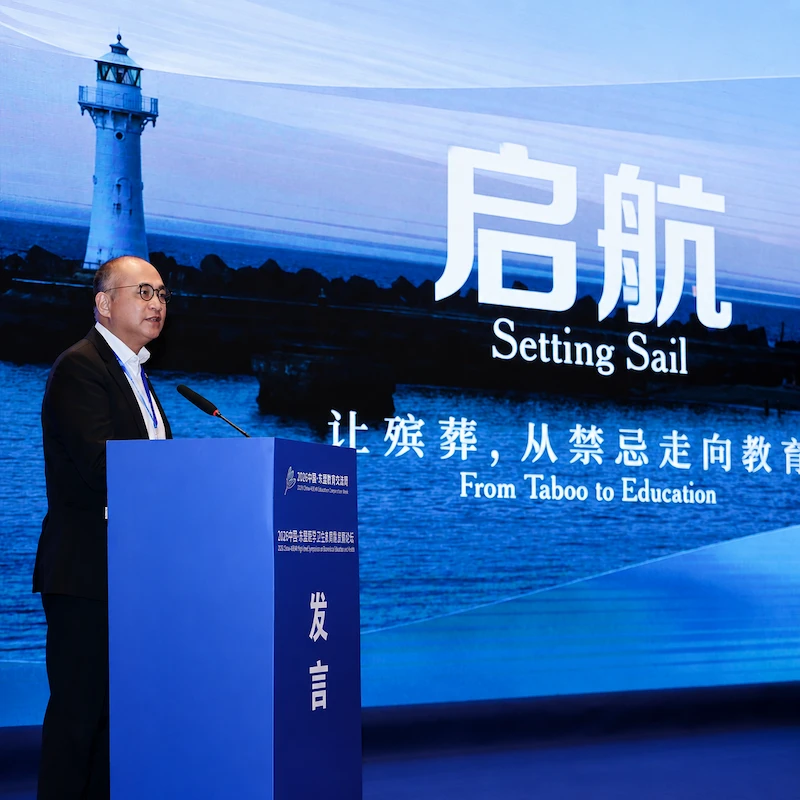
As times continue to change, we are prompted to rethink a fundamental question: Why does education need “Life Education”?
Beyond the transmission of knowledge and the development of skills, more people are beginning to recognise that education must also respond to the deeper questions of life — how we understand ourselves, relate to others, and navigate the changes, relationships, and endings that are part of the human journey.
This is the meaning and purpose of Life Education.
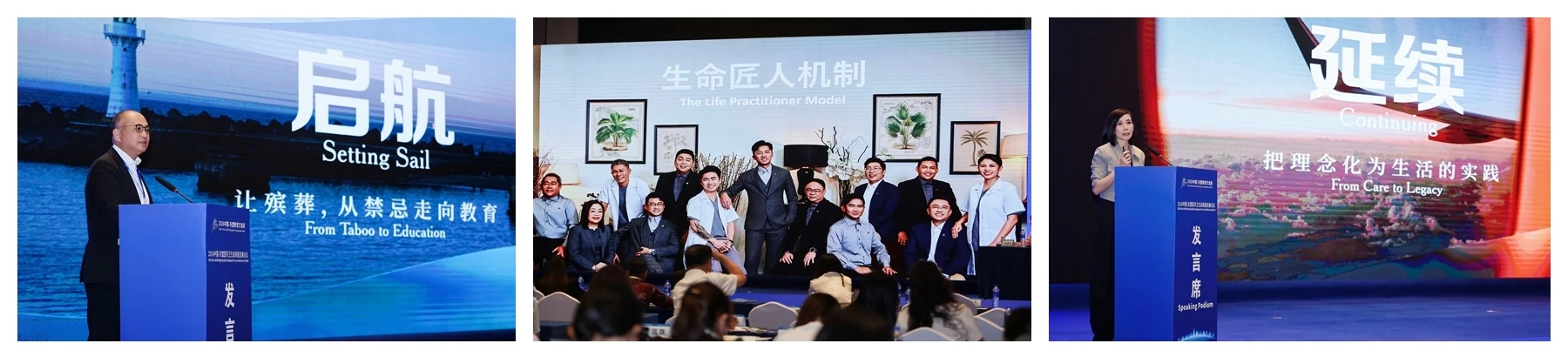
With this shared vision, we travelled to Guiyang, Guizhou, to participate in the China–ASEAN Education Cooperation Week, engaging in meaningful exchanges with educators from different countries and regions to share experiences and explore the development and practices of Life Education.
Looking across the world, Life Education is not an entirely new concept. In many countries, Life Education has already taken shape within mainstream education systems, offering valuable references and directions for further exploration and development.
Returning to our local context, Life Education initiated by a private organisation has also undergone a journey of exploration and practice.
From being a topic that was once rarely discussed, to gradually entering educational spaces and forming collaborations with schools and universities, Life Education is now being recognised and embraced through increasingly diverse approaches.
Whether through secondary school counselling programmes or university elective credit courses; whether through local community practices or participation in international exchanges and dialogues, these accumulated experiences are gradually responding to an important question:
“ Why does education need Life Education? ”
Because education is not only about helping students acquire knowledge. It is also about accompanying them as they understand life, face the journey of living, and build deeper connections with themselves, others, and the world around them.
When Life Education becomes part of the education system, it goes beyond discussions about life and death. It cultivates respect for life, deeper understanding of human relationships, and greater care for the future of society.
Perhaps this is the gentle response that our times are calling education to embrace —
To give every learner the opportunity to understand life, and through that understanding, learn to live more fully.

