
When Youth Meets Life & Death, Understanding the Meaning of Life Through Life Education
-
By Admin
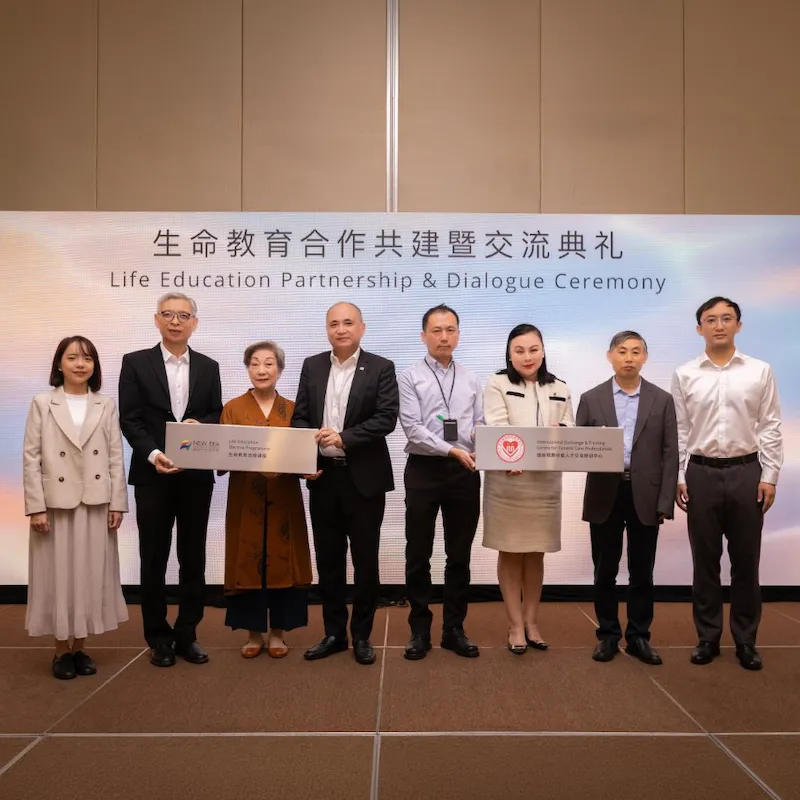
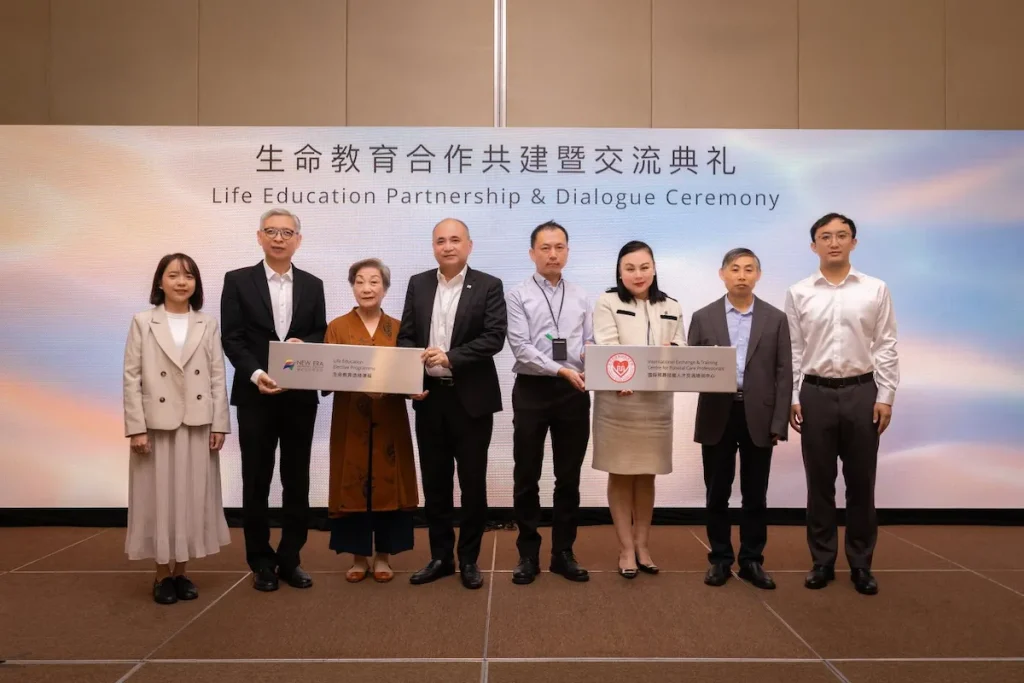
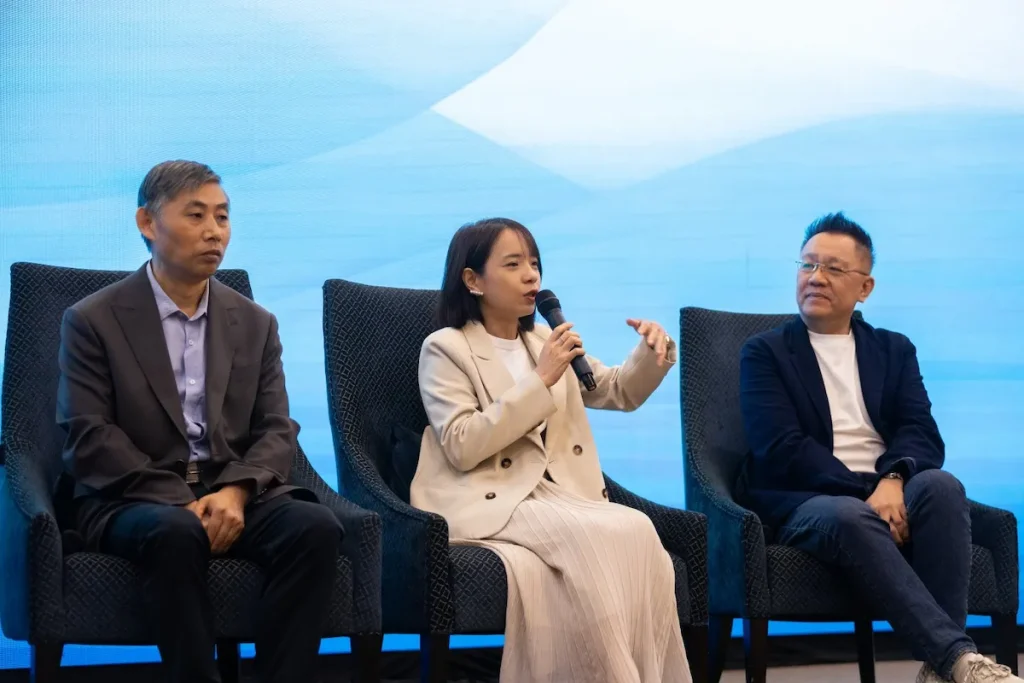
Life education encourages us to look beyond death and reflect on the way we live, how we navigate loss, and how we can be there for those going through difficult times. On 22 September, Xiao En Group, Changsha Social Work College and New Era University College came together at Xiao En Centre in Cheras for the Life Education Partnership & Dialogue Ceremony, formalising their partnership through a ceremony that marked the beginning of closer collaboration across institutions and fields. The ceremony also featured a special dialogue, When Youth Meets Life & Death, with Fong Yee Leong, Senior Consultant, Xiao En Counselling & Support Department; Shen Hongge, General Party Branch Secretary, School of Mortuary Science of Changsha Social Work College; and Tey Shi Bin, Deputy Vice-Chancellor of New Era University College. Drawing on their experience in education, youth development and life services, the three speakers shared their perspectives on life, death, loss and how we can support others through difficult times.
Shen Hongge emphasised that life service education must extend beyond professional knowledge and technical skills. Students also need to understand the inevitability, universality and irreversibility of death, and reflect on a fundamental question: “What do we live for?” In his view, funeral services are about more than the final stage of life. They also carry a responsibility to uphold the dignity of life, provide support through grief, preserve cultural traditions and advance life education. The college is therefore working to integrate life education into its curriculum and professional training, equipping students with both technical expertise and a deeper appreciation of life, grounded in respect, empathy and humanistic values.
Meanwhile, Tey Shi Bin spoke from the perspective of campus education. She observed that death is often a taboo subject in Chinese culture, meaning many grow up with few opportunities to learn how to navigate farewells and the emotional impact of loss that can bring. As university may be their final stage of formal education, it is important for life education to be part of the learning experience. At New Era University College, life education is available as an elective to students across different faculties, giving them the opportunity to explore the meaning of life alongside their academic studies, and to consider how they might face the uncertainties that life brings.
She believes these conversations should begin well before the younger generation encounters loss, it is better to plant the seeds of life education earlier, extending this learning from early childhood through families, schools and universities. Educators also need to keep learning, as the challenges faced by the younger generation go beyond academic work to family, friendships, relationships and questions about the direction of their lives.
Drawing on his own experiences and years of supporting teenagers, Fong Yee Leong shared the importance of companionship in life education. Having lost both his parents at a young age, he wrestled with the meaning of life amid his grief.
He also shared the story of a 15-year-old boy who lost both parents within a few short weeks, yet continued to act as though everything was fine. Fong later visited him at school to be there for him. They sat by the school field without rushing to talk about grief, simply sitting quietly together. When tears came, there was no need to hold them back. In that moment, Fong remembered a friend who had once accompanied him up a hill to look at the stars when he was young. That friend had said very little, but had simply stayed by his side.
He came to realise that being there for someone does not always mean having the right words to say. Sometimes, simply letting them know, “I’m here for you,” is enough. When a teenager is going through a difficult time, it is important not to rush them to move on or tell them to stop overthinking. Instead, we need to understand what they are going through, acknowledge how they feel and give them the time and space they need.
Life education is not simply about understanding death; it is also about rediscovering the meaning of life. Fong believes that although he cannot change the suffering he went through, those experiences led him to support others, giving new meaning to the pain he had endured.
From professional training to university education, and from life services to supporting teenagers, the three speakers ultimately returned to one question: how can we live well? Life will eventually bring us to our final farewells, but until then, there are still words to share, relationships to cherish and people to be there for.
Through its work in life education, Xiao En Group hopes to bring forward the lessons learned from the regrets witnessed at the end of life, encouraging people to understand life more deeply, nurture their relationships, express what matters and cherish one another while there is still time. In doing so, the focus shifts from “how to say goodbye well” to “how to live well”.
This Original article first appeared in《 PUMEN普门 》magazine. [ Click Here ]
Copyright Statement
This article and video is original content created by Xiao En website, to whom the copyright belongs to. The content should not be reproduced without permission, otherwise it will be regarded as infringement. Xiao En reserves the right to pursue legal action against unauthorised use of the content.

