
Tenderness at the End of Life
-
By Admin
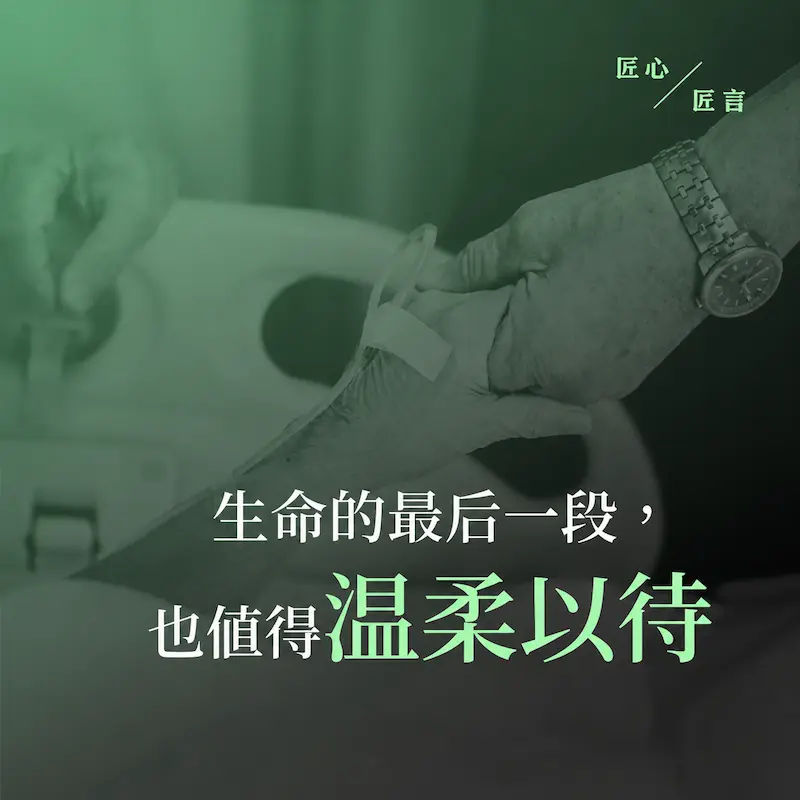
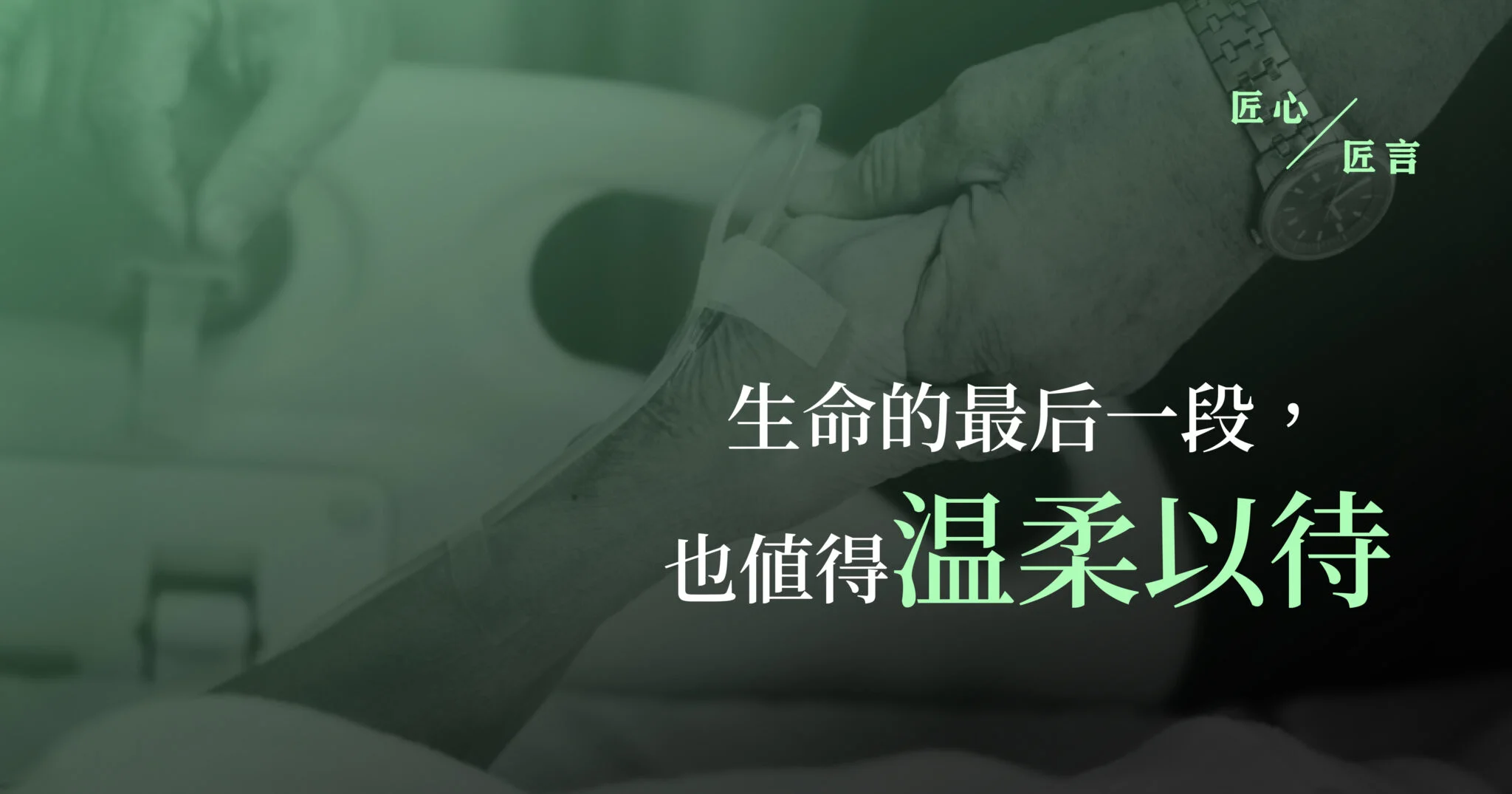
The day my father passed away, we contacted a funeral parlour near our home to take care of the arrangements.
When I saw him after his appearance had been gently prepared, dressed and lightly made up, lying there peacefully, the feeling that came over me was not sadness, but a strange sense of calm. I realised that even after a person has passed away, they can still be treated with such tenderness.
It was at that moment that I began to think seriously for the first time: if death is something we ultimately cannot change, is there a way to make it feel a little less cold?
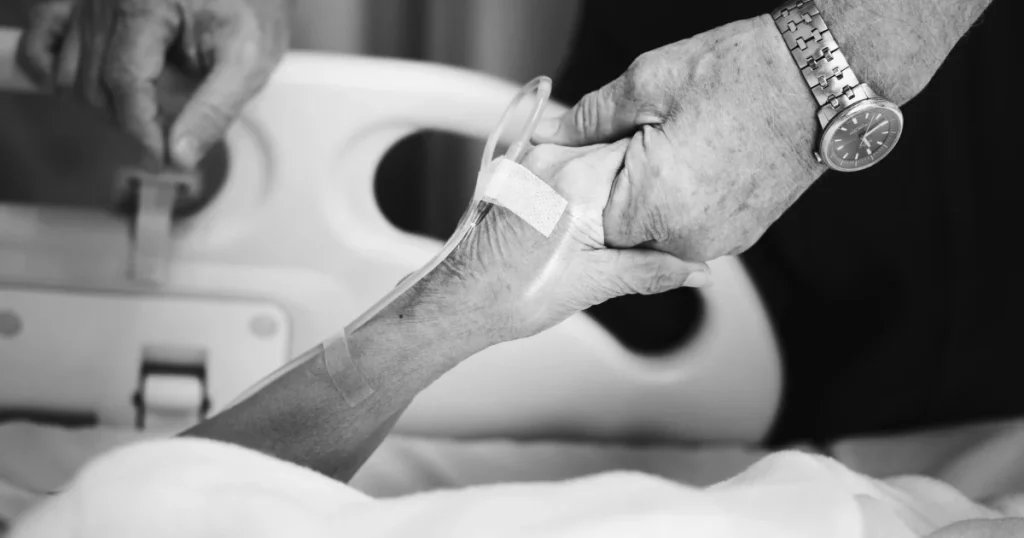
That moment eventually led me to a career as a Clinical Care Professional.
The First Act of Care Is to Give Them Dignity
The first thing I do is to carefully position the person on the bed.
At that moment, they may no longer be able to care for themselves, but they are still a person who deserves to be treated with dignity I carefully remove their clothing, taking my time to examine the body from head to toe, including the back, and noting anything that may require attention.
At the final stage of life, every body can present different conditions. I need to observe closely in order to determine the most appropriate way to care for them.

Who they were in life, what work they did, or which funeral package their family chose — none of that matters to me.
My responsibility is simply to care for them with cleanliness and dignity during the final chapter of their life. It is a connection that has brought us together for this brief moment, and all I need to do is give my very best. That sincerity does not need to be seen or acknowledged by anyone else.
Every Person Needs to Be Cared for Differently
Each case takes at least three hours, and some take much longer. I believe taking the time to do the work properly is one way of showing respect to the deceased. It is not easy to do this work every day, especially on an emotional level. Yet somehow, I have been doing it for more than twenty years.
Every person’s condition is different. Some may have passed away unexpectedly in an accident, while others may have conditions that are not immediately visible. This is where years of experience come in. You learn to observe closely, trust what you notice, and understand what needs to be done.
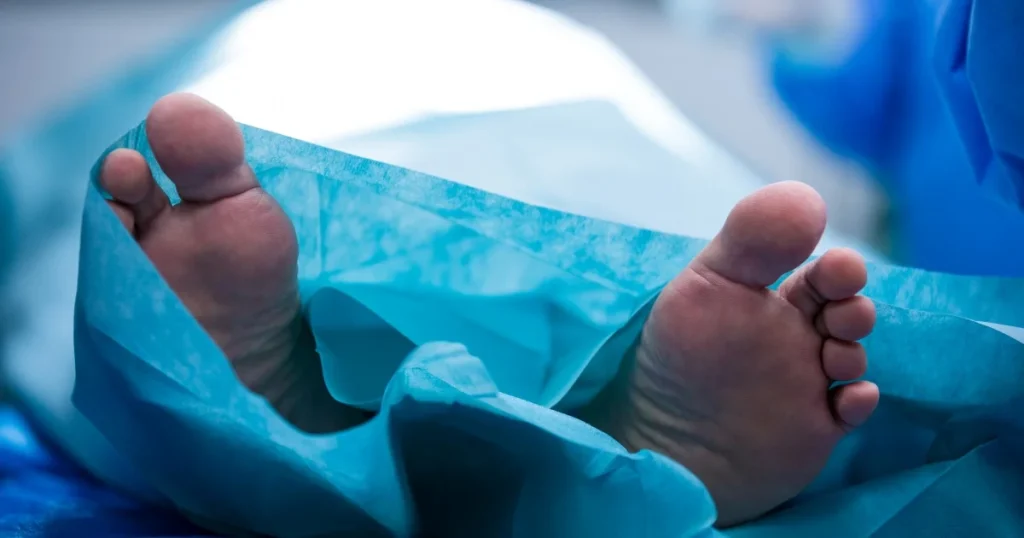
I once cared for a man who had been living with a malignant sarcoma. On the surface, his body looked perfectly clean. The only thing I noticed was a piece of medical tape on his thigh. I could smell something unusual, but I could not tell where it was coming from. When I removed the tape, I found a bruise underneath. Sometimes, even a smell can tell me something about what is happening to the body. Over the years, you learn to notice these little things. And often, it is these details that make all the difference in doing the work well.
I’ve come to realise that good judgement is one of the most valuable things a Clinical Care Professional can have.
This is especially important when it comes to embalming. I adjust the amount I use according to what I observe, so that the skin does not become too firm, wrinkled or darkened. What I have in mind does not always turn out the way I expect. Once the process is complete, there is very little that can be changed. There is rarely a second chance to get it right.
When No One Sees, It Still Matters
There were times when I would return to the funeral parlour in the middle of the night, simply to make sure everything was still in order. I would only feel at ease once the funeral had taken place. It is my responsibility to the family, but more than that, it is how I honour the work I do.
There is no turning back once the work is done. Over the years, it has reminded me of how fragile life is, and taught me to hold it with even greater respect. Whenever I meet someone new who wants to join the team, I always tell them that not knowing how to do something is never the biggest problem. Skills can be learnt, and experience takes time. What takes time to get used to is the pace of the work. There are days when we are so busy that we barely have time to eat. Even on a day off, we may receive a call and have to return to work. It can be a demanding way of life.
But when you find meaning in what you do, you will find a reason to keep going.
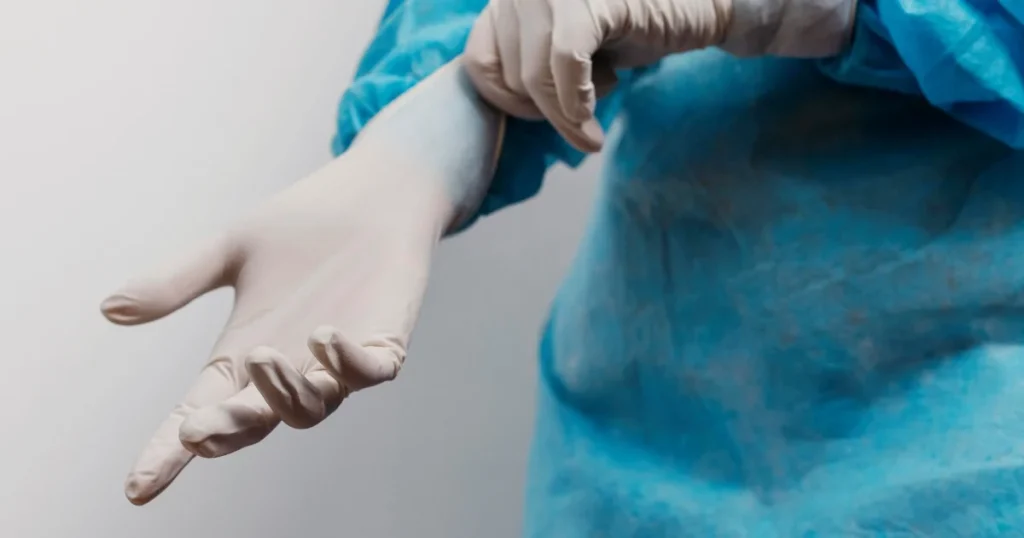
Today, I spend much of my time guiding the younger members of my team. There are many things I no longer need to handle myself, but whenever I have the time, I still like to be involved.
Much of what we do happens quietly, away from people’s eyes. Families may never see the whole process, and they may never know how much care goes into those few hours. Over the years, I have had many opportunities to blame circumstances when things did not turn out perfectly. But I have always believed that there is still something I can do,to look carefully, to find a way, and to do better. We are not magicians. We cannot always make things turn out exactly as we hope. But we can always choose to give our best to the person in front of us.
For me, that responsibility has always mattered more than any skill.
Helping Families Give One Last Gift of Care
We often talk about filial piety, and about showing our loved ones how much we care. But these are things we can only do while they are still with us. Once someone has passed away, there is little more a family can do for them. In those final hours, what I can offer is to take care of the things they can no longer do themselves.
When a family loses someone at home or in hospital, they are often overwhelmed by grief. In that moment, they may not notice the condition of their loved oneI cannot change what has already happened. What I can do is make sure that, in those final hours, their loved ones are given a chance to remember them as they were. Sometimes, that is enough to bring a little comfort and ease a family’s heart.
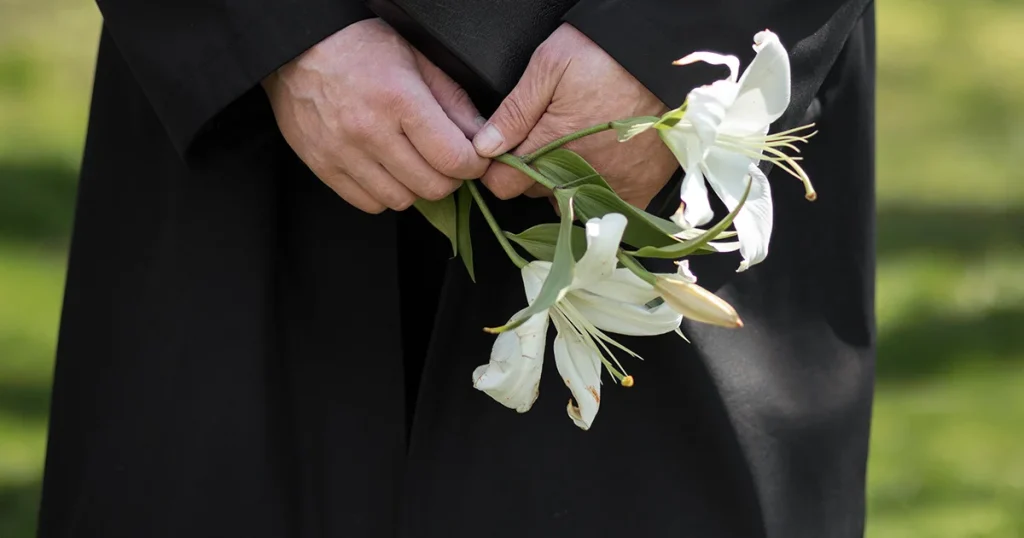
There have been many moments over the years that have stayed with me. Sometimes, a family member would simply take my hand and say thank you. In those moments, I could see that they were beginning to find some peace. You cannot put a price on that. It is one of the reasons I have stayed with this work for more than twenty years.
What Death Has Taught Me
This work has changed the way I look at life. I used to hold on more tightly to money and the things I owned. Now, I see them differently. In the end, none of these things stay with us. What matters to me now are the moments we often take for granted. Because when someone is no longer here, even the simplest moments we once shared are no longer ours to have.
I remember caring for a man in his fifties whose funeral was held at his home. After finishing my work, I crossed the road and sat down for a while. I remember looking around and thinking how fortunate I was simply to be there.
To still be able to breathe. To still be here.
After years of caring for people at the end of their lives, I have not become detached from life. Instead, I have come to understand that being alive is never something to take for granted.
The little moments we get to experience again and again are, in themselves, a blessing.
After all these years, I do not feel the need to leave much behind for myself. What I hope to leave behind is what I have learnt from this work. I have not thought about retirement yet. But if the day comes when I no longer do this work, I hope what I have learnt through all these years can continue with someone else.
That is why I take time to teach the people who join my team. It can take three to four years for someone to go from learning alongside me to being able to work on their own. After doing this for so long, many things have become instinctive. I can often tell at a glance what has been done well and what still needs attention. Letting go was not easy at first. I was used to taking responsibility for everything myself. But as the team grew, I learnt to trust others with more of the work.
With the right guidance and encouragement, they learn through the work itself. Day after day, they meet people from different walks of life, and gradually come to understand what it means to care for each person with sincerity and respect.
“Daddy helps people who are asleep look nice.”
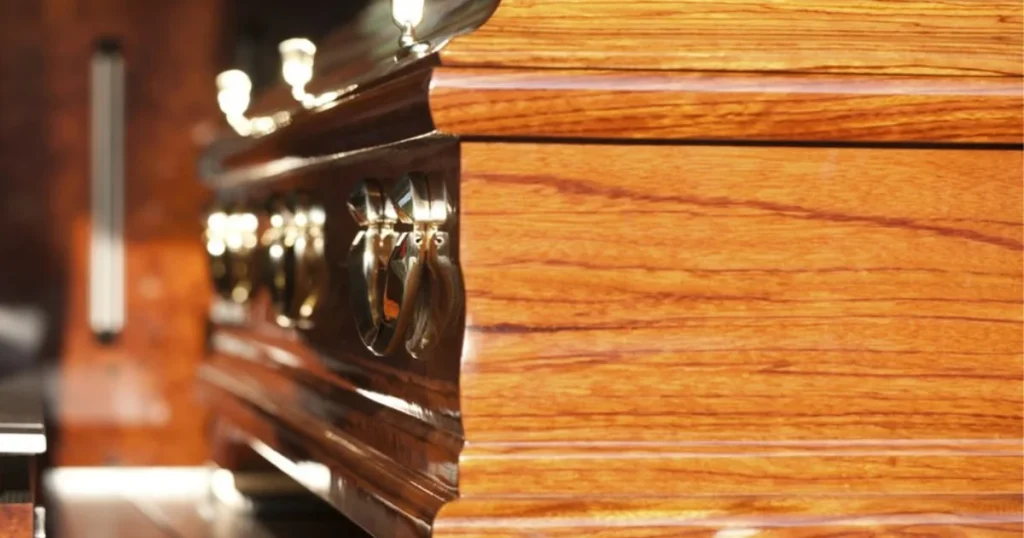
On one of my days off, I brought my five-year-old daughter with me to my work place. I had some work to attend to before we left. Outside, there was an empty coffin. She looked at it and asked, “Is there someone inside that box?” I was surprised. She was only five, yet somehow she already understood what the box was for. I was also glad that, in her own way, she had begun to think about death for the first time. I decided not to avoid the question or make my work sound any less than what it is. I simply told her, “Daddy helps people who are asleep look nice.”
Looking back, those were just simple words I used so my daughter could understand what I do. But in many ways, they also describe how I have always seen this work. I believe care should always be gentle, right to the very end.
When it comes to embalming, I am careful with the amount I use and the way I carry out each step. The care has to be gentle. When preparing someone’s appearance, every movement matters. It is not just about completing the work. I have to remind myself that this was once someone with a family, a life and a story of their own.
My daughter probably did not understand what she was asking me about back then. But after twenty years of doing this work, I have come to understand something myself.
Sometimes, caring for someone at the end of their life is also a reminder of how we should live while we are still here — to live well, and to treat the people around us well.
Because the time we have with one another is never as much as we think.
This Original article first appeared in《 The Interview 》. [ Click Here ]
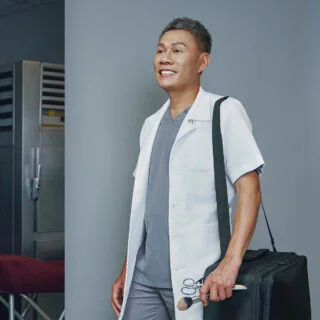 |
Ng Yeat Wai, NickHe has been a Clinical Care Professional for more than 20 years. For him, this work is about caring with sincerity, taking responsibility, and passing on what he has learnt. |
|||
Copyright Statement
This article and video is original content created by Xiao En website, to whom the copyright belongs to. The content should not be reproduced without permission, otherwise it will be regarded as infringement. Xiao En reserves the right to pursue legal action against unauthorised use of the content.

