
A Life Education Visit by Seminari Theoloji Malaysia
-
By Admin
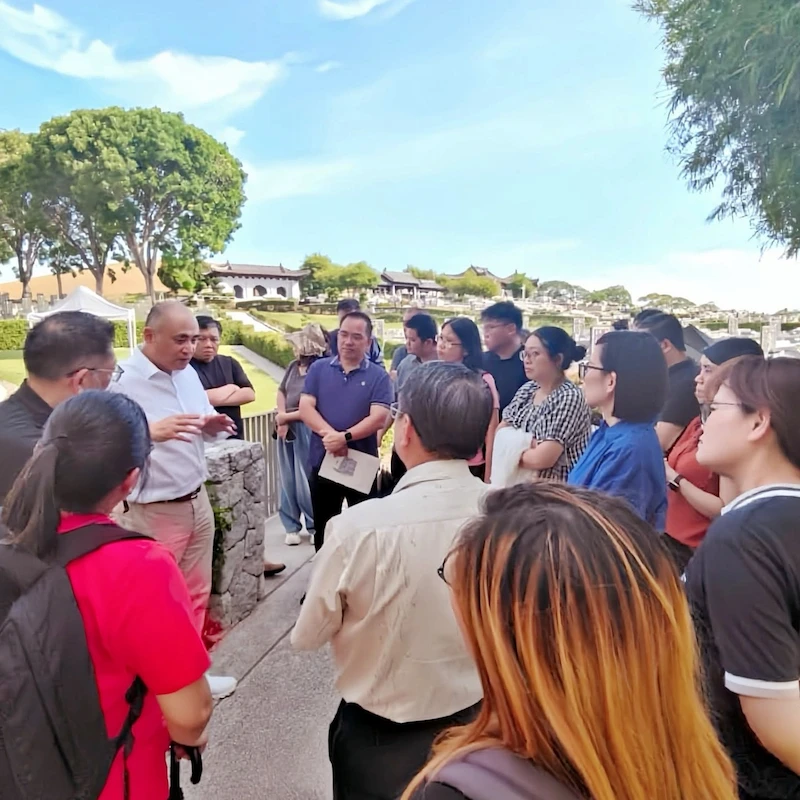
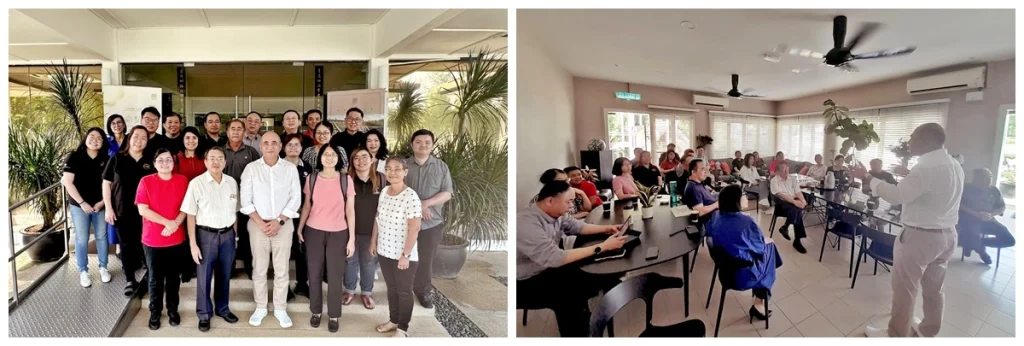
Seminari Theoloji Malaysia (STM) has long placed great emphasis on hospice care and life education.
This time, the group stepped into the cemetery for a life education study tour. From visiting the ash burial site to learning about the complete memorial process, they were invited to view life from a new perspective and, more importantly, to reflect from the heart on how we approach death and farewell.
Throughout the visit, one question lingered in everyone’s mind: ” When life comes to an end, what do we hope to leave behind? “
This is more than a decision about end-of-life arrangements. It is a reflection on one’s own values, and a conversation that spans generations within a family.
What do those who have departed wish to leave behind? And how do those who remain wish to stay connected with the ones they love?
Perhaps what we leave behind is not necessarily a gravestone, nor a piece of land to call our own.
It may be an act of kindness towards the environment, a thoughtful consideration for future generations, or a life that was lived sincerely, loved deeply, and remembered with affection.
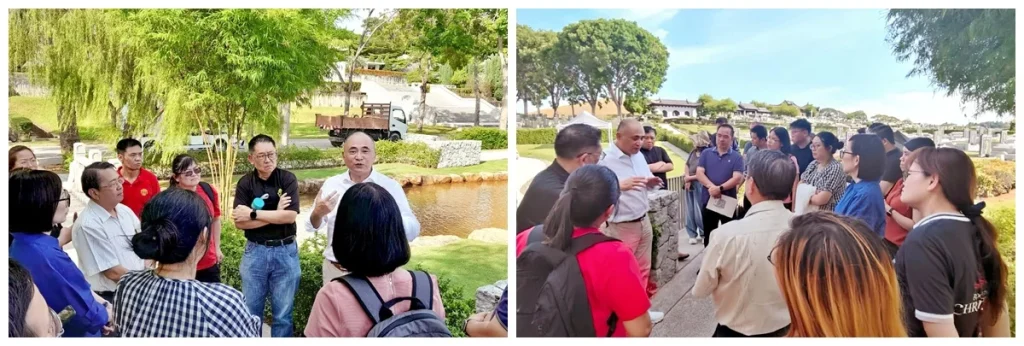
Ash burial, as a sustainable and emerging funeral option, offers another way to honour a life.
It reminds us that remembrance does not have to depend on ownership, nor does commemoration always require a physical monument. Instead, it creates space for harmony with nature while allowing memories and love to continue freely.
For what truly endures may never be a gravestone, but the love that remains in the hearts of our families, the kindness we leave in the lives of others, and the footprints of a life that brought warmth to the world.
When life education enters the cemetery, what we learn is never only about death.
Rather, it is about understanding the finiteness of life, reflecting more deeply on how we choose to live, and considering what we hope to leave behind when our own journey comes to an end.
Perhaps that is the truest way a life continues to endure.

