
Death as a Mirror to Life
-
By Admin
Of all the lessons I have learnt from years spent accompanying people through farewells, the most enduring is this: to live well. When I was seventeen, a friend sent me a photo. In it, they stood at the edge of a high-rise building, ready to let go. Accompanying the image was a message thanking me for being there through some of the hardest moments in their life. I had always been the friend people turned to when they needed someone to talk to. Yet when I received that photograph, a sobering realisation struck me: listening alone is not always enough.

Later, I pursued a degree in counselling, hoping to find a more professional and effective way of supporting others through their struggles and helping them find reasons to keep moving forward. One day in class, our lecturer asked us to write our farewell letter. At the time, I treated it as just another assignment and simply wanted to get it done. Yet through this seemingly hypothetical exercise, many of my classmates found themselves holding back tears. When death is placed before us, we begin to realise how little attention we have given to the way we live. We start to question whether we are truly living the life we desire, or merely moving through it.
Am I really living well? It was a question I found myself returning to again and again.
Walking the Path from Knowing to Doing
After graduating from university, I joined Xiao En. What began as a role at the front desk later transitioned into my becoming a registered counsellor, allowing me to devote the work in life education and emotional support that I had long felt called to do. At funeral services, I often leave my name card with family members who may need support, letting them know that someone is there to listen and walk alongside them in their grief. More than anything, I want them to know that even after losing someone they deeply love, it is possible to find their way back to living well.

Even if a family does not need support at that moment, or only reaches out after the funeral has ended, we are here for them. Whenever they need someone to listen to their grief, we are ready to listen.
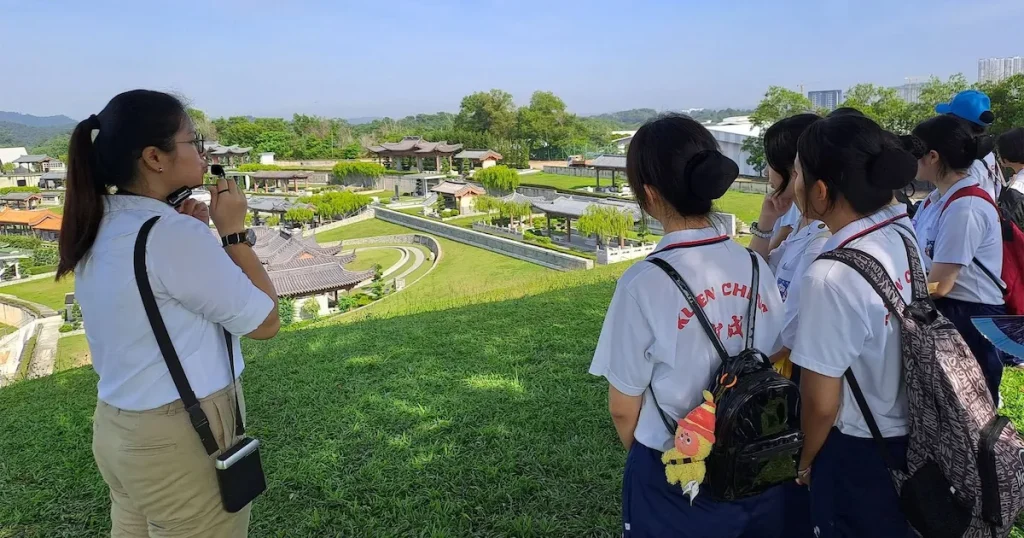
Yet I never wanted to wait until death to walk alongside people. That is why I also joined Xiao En’s Life Education team and now serve as one of the facilitators for its Life Education Learning Tour.
Through this work, I hope to encourage more young people to reflect on what can still be done while there is time, just as I once did when I first joined the programme as a participant. Having once received a seed, I now hope to plant seeds in others. Whatever their experience of the Life Education Learning Tour may be, I believe that one day, in their own ways and in their own fields, those seeds will take root, grow, and bear fruit.
There are times when I am met with blank expressions, puzzled looks, or quiet indifference. I used to feel discouraged by that. But if something I share today returns to them at a moment when life feels difficult, and offers even the smallest measure of strength or hope, then that is enough.
For those who have yet to encounter death up close, I can only invite them, through life education, to reflect on what truly matters. If there is something worth cherishing, now is the time to do so — before loss teaches us its value. Yet for those already grieving the death of a loved one, no words can offer as much comfort as a listening ear.
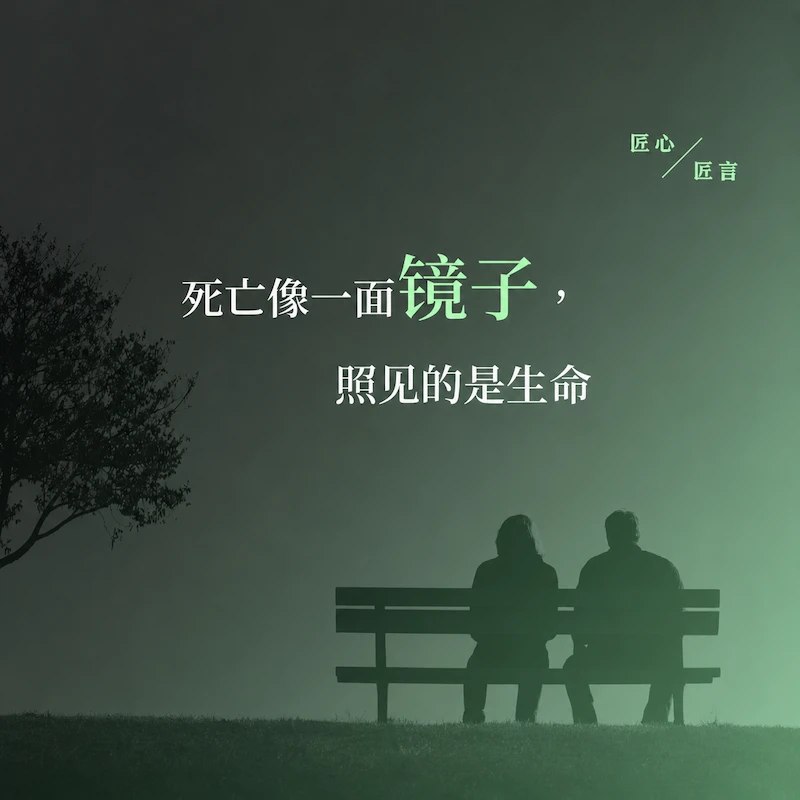
I have come to realise that death is like a mirror. On one side, it reflects the life that has come to an end; on the other, it reflects how we choose to live our own.
Everyone Is a Learner in the Face of Death
With every family I accompany through farewell, and with every participant who shares their reflections, I have come to realise that I am no longer only an educator, I have also become a learner.
Each life story leads me back to my own relationship with my father: a relationship that has long been marked by distance, yet has always remained.
Over time, I have come to understand that life education is never simply about passing knowledge on to others. It is a journey that continually brings us back to ourselves.
Every question about understanding, letting go, healing, and cherishing eventually finds its way back into our own lives.
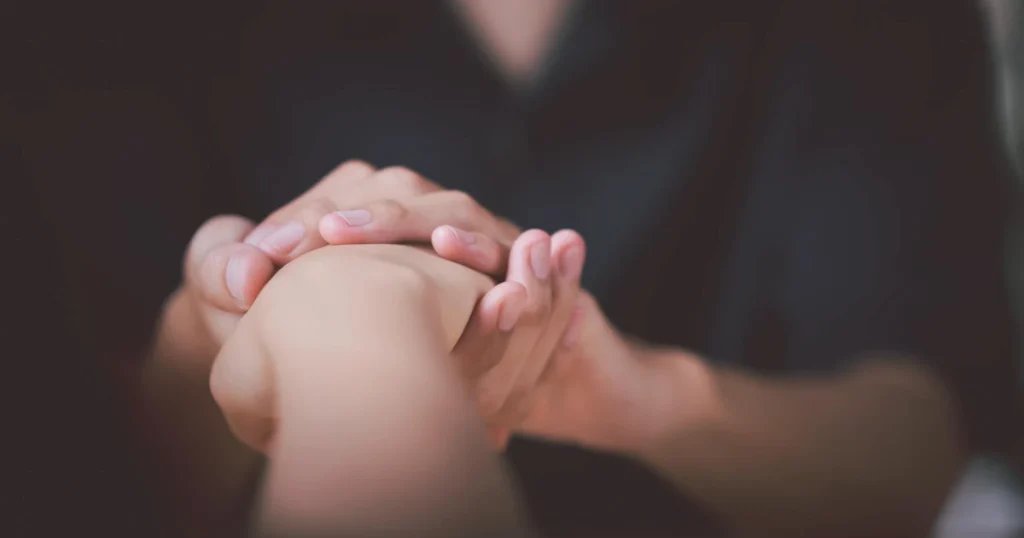
My relationship with my father is the one part of my life I cannot simply move past.
Over the years, I have realised that the person I fear losing most is not because of death itself, but because of everything that remains unfinished between us. There are conversations we have never had, misunderstandings we have never untangled, and regrets we have quietly carried for far too long. For years, I did not know where to begin. It was only when my father became critically ill that I realised the hardest thing was not finding the right words. It was learning to accept that neither of us has to be perfect, and that healing does not always happen all at once.
I used to believe there would be another time that someday I would know what to say, or when to say it. But life does not wait for certainty. Neither do relationships. They ask to be noticed, nurtured, and treasured while we still have the chance.
Today, I no longer expect closeness to come all at once. Instead, I hope time will be kind to us both. I hope it will give me the space to let go of what I have long held onto, to see beyond the past, and to come to know my father again as the person he is today.
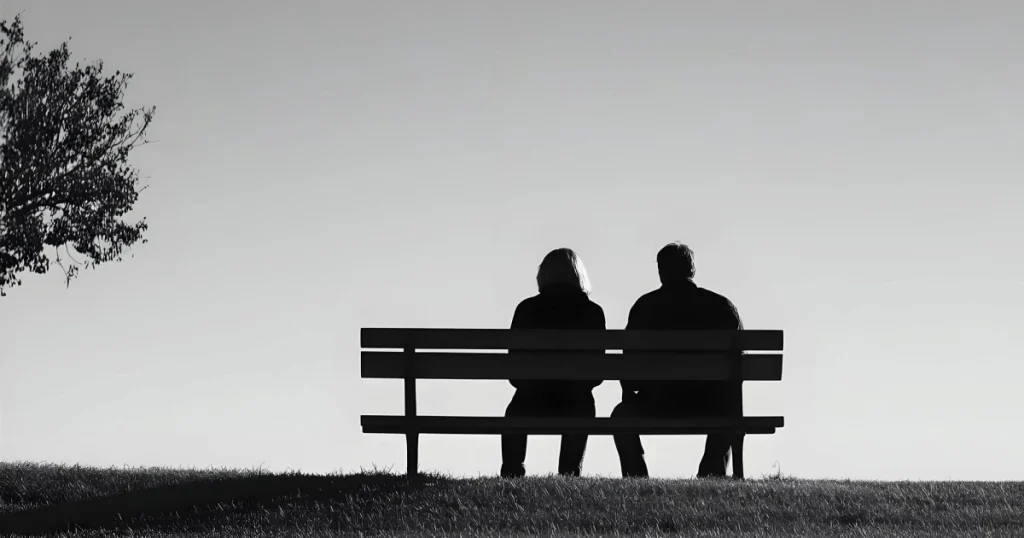
Life does not always give us the chance to make everything right. As long as we still have time to come closer to one another, I believe there is always room for understanding and for healing.
For a long time, I thought I was reminding others to cherish what they have. In the end, it was their stories that reminded me to do the same. I have come to realise that life education is not about teaching people how to face death. It is about learning to face ourselves honestly while there is still time, and choosing to nurture the relationships that matter most.
Carrying Life Forward
Whether it is a farewell letter, a relationship standing at the edge of goodbye, or the countless encounters I have shared through life education, each has reminded me that nothing and no one in life should ever be taken for granted.
Since choosing this path, the feeling that stays with me most is gratitude. Gratitude that there is still time. Time to say what has yet to be said. Time to draw close to the people I love. And time to cherish what is still here.
My journey into counselling began with wanting to be there for people. Reflecting on death led me into funeral service. Standing alongside people through moments of farewell continues to teach me what it truly means to live.
This is what life education has come to mean to me. It is not about telling people how they should live. It is about creating space for us to pause, to reflect, and to ask ourselves the questions that truly matter: If life is finite, how do I want to live? And if every goodbye is inevitable, how do I want to care for the people around me while I still can?
(Editor’s note: This article is based on the author’s oral sharing, written by The Interview’s reporter.)
This Original article first appeared in《 The Interview 》. [ Click Here ]
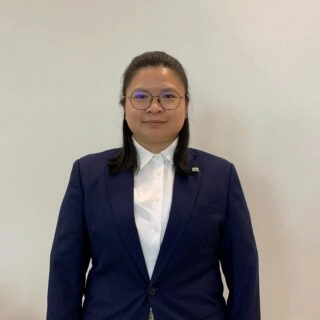 |
Chin Mun, TickyRegistered Counsellor at Xiao En. Working across grief support and life education, she believes that death is not merely the end of life, but also an invitation to reflect on life, relationships, and what truly matters. |
|||
Copyright Statement
This article and video is original content created by Xiao En website, to whom the copyright belongs to. The content should not be reproduced without permission, otherwise it will be regarded as infringement. Xiao En reserves the right to pursue legal action against unauthorised use of the content.

