
2026 International Exchange | Asia Funeral Expo, Hong Kong
-
By Admin
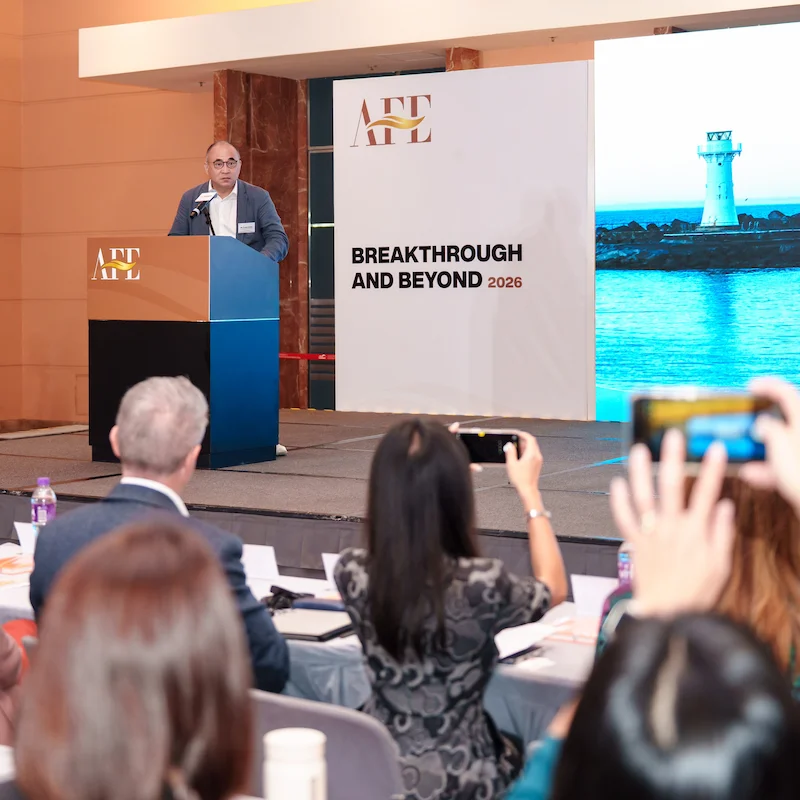
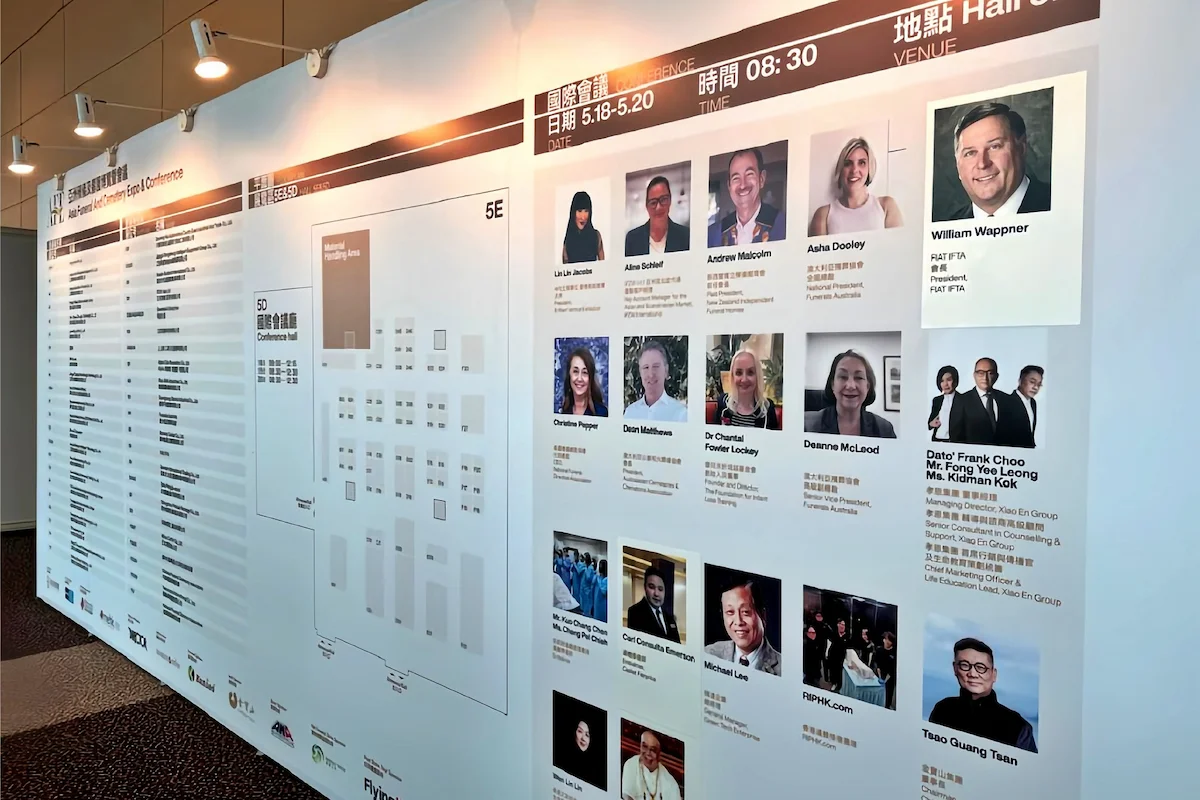
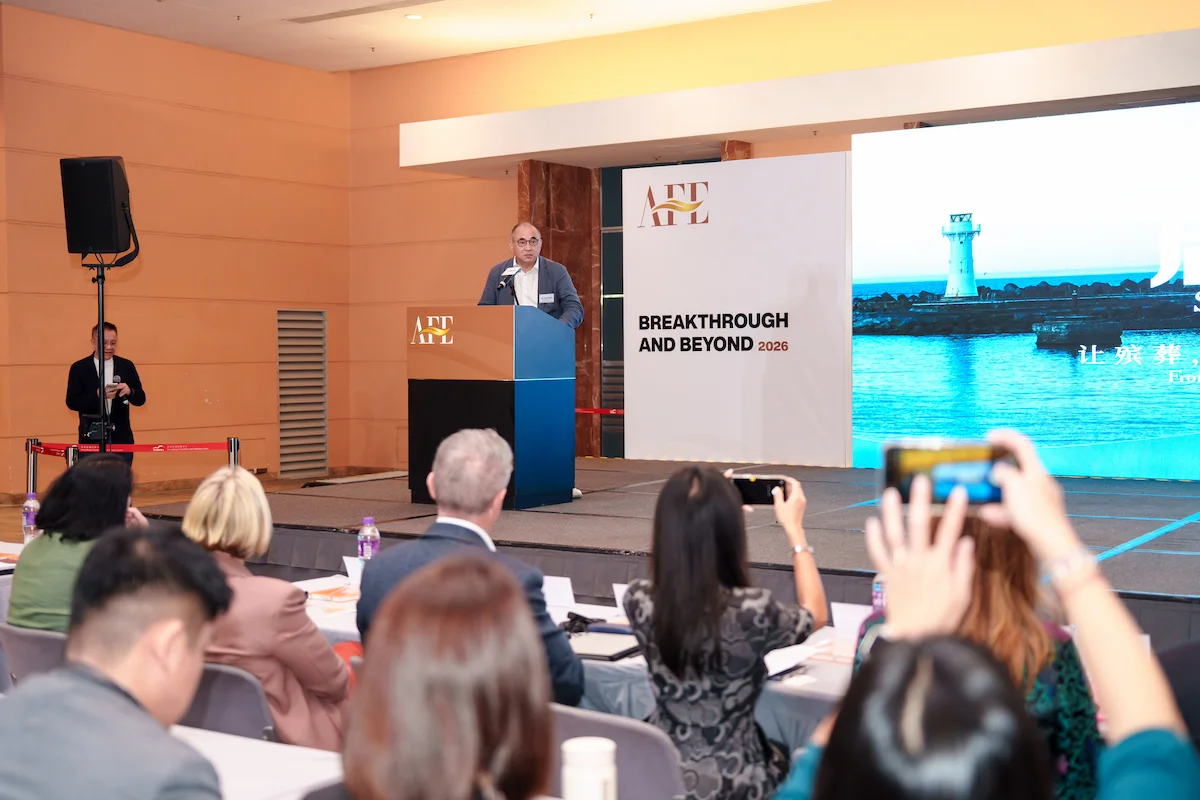
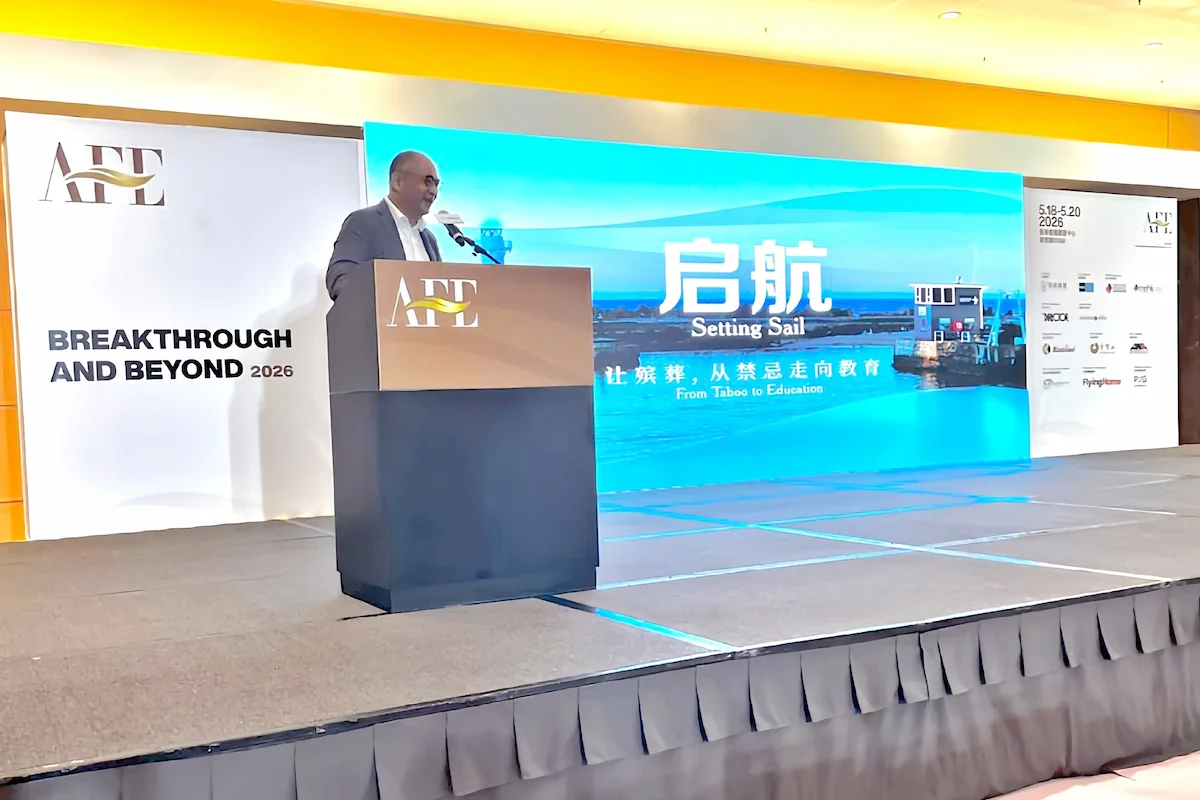
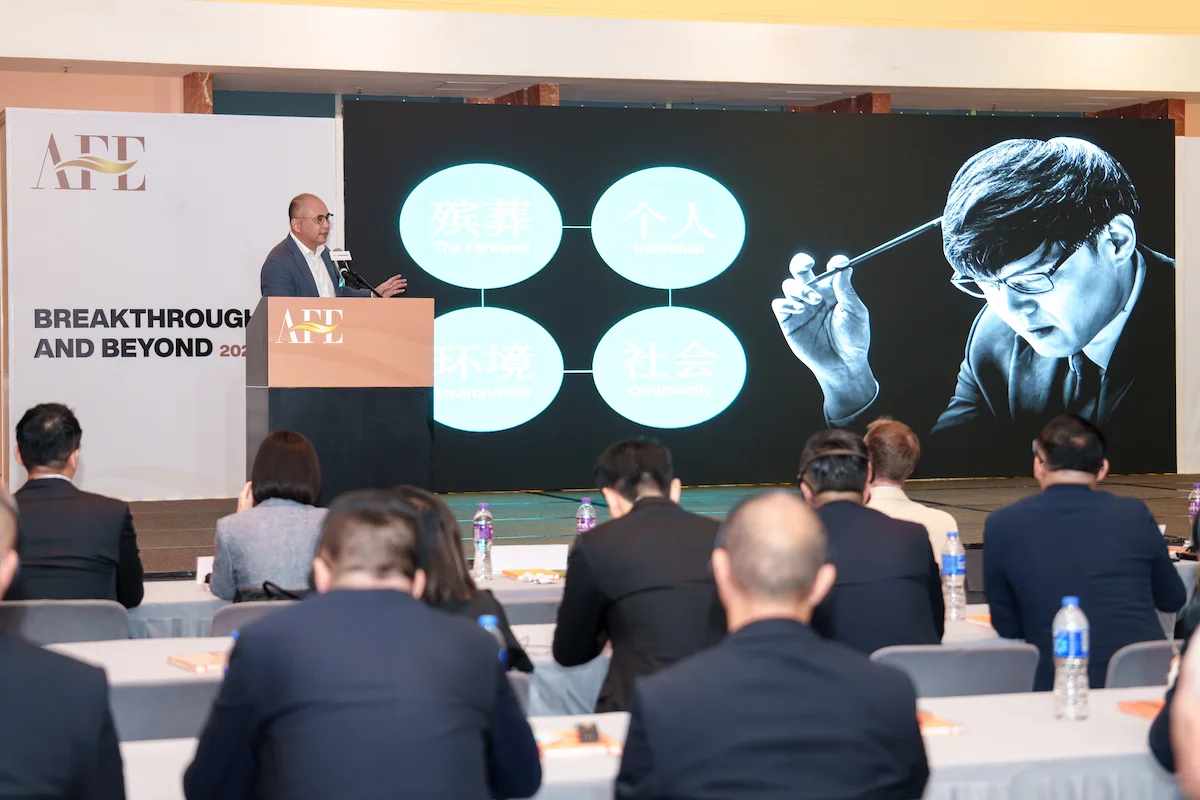
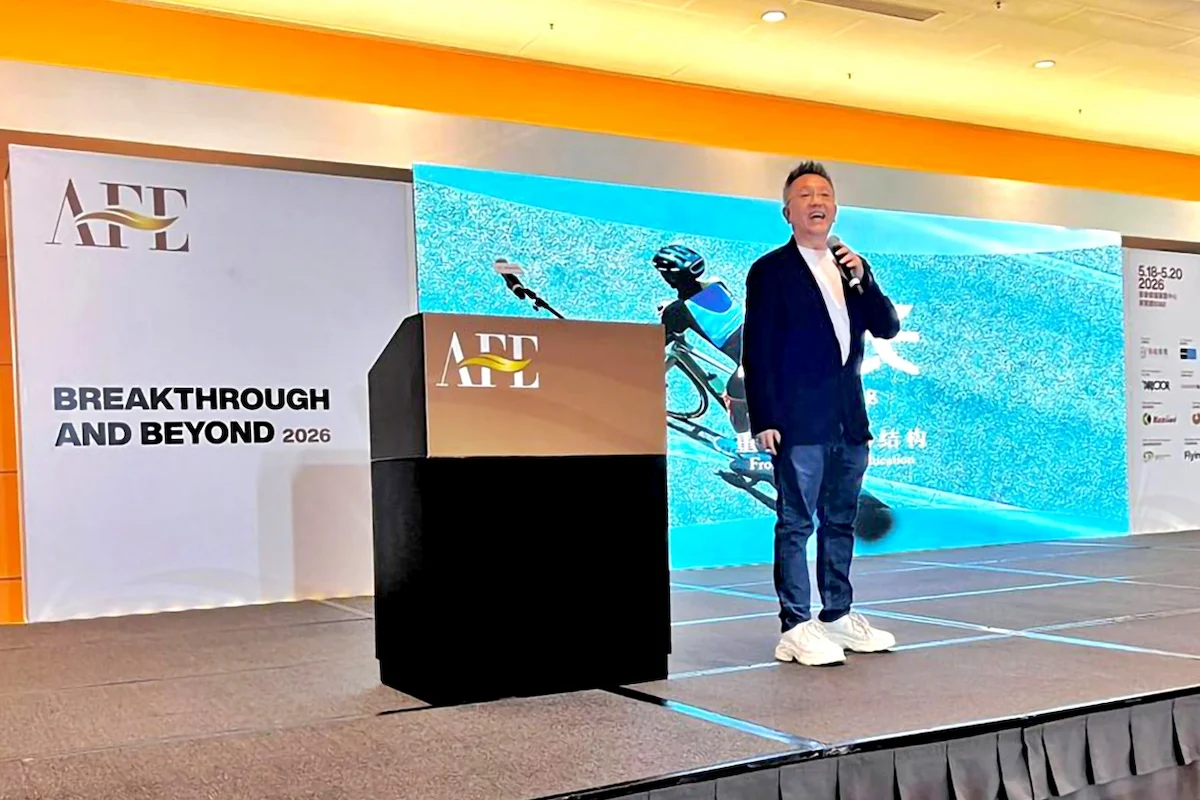
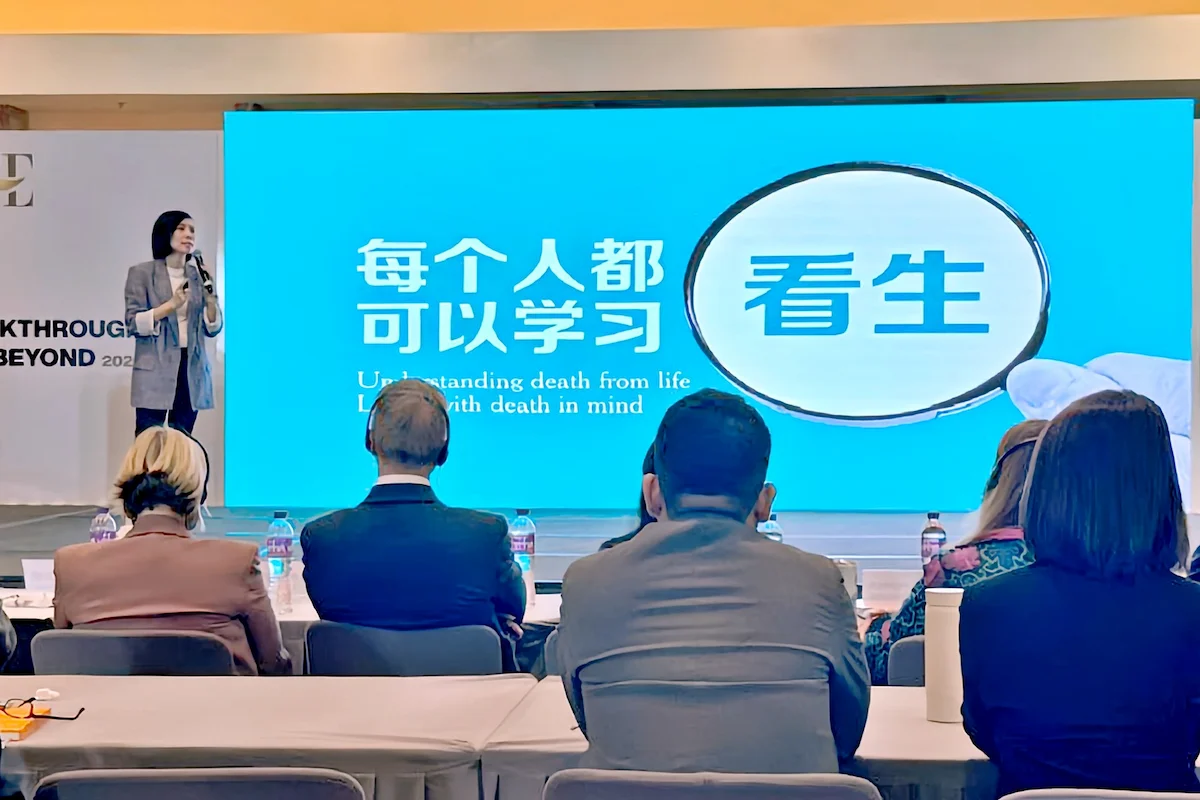
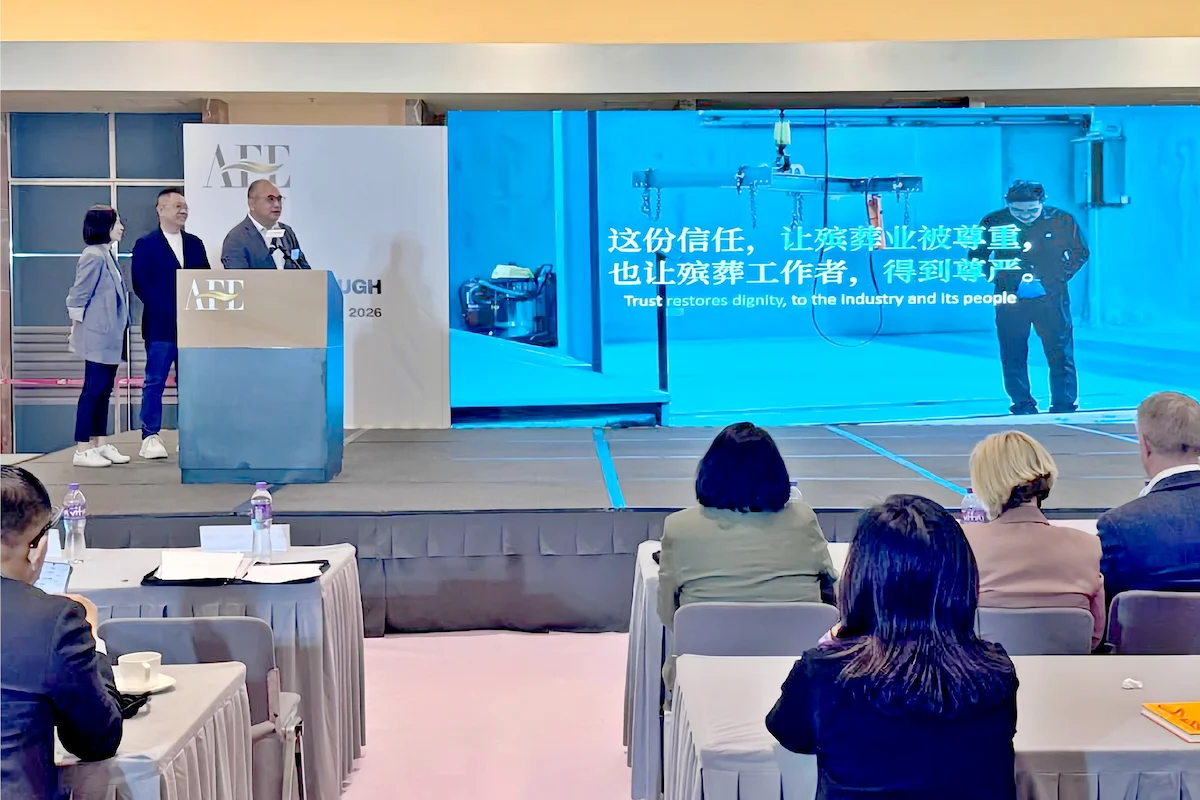
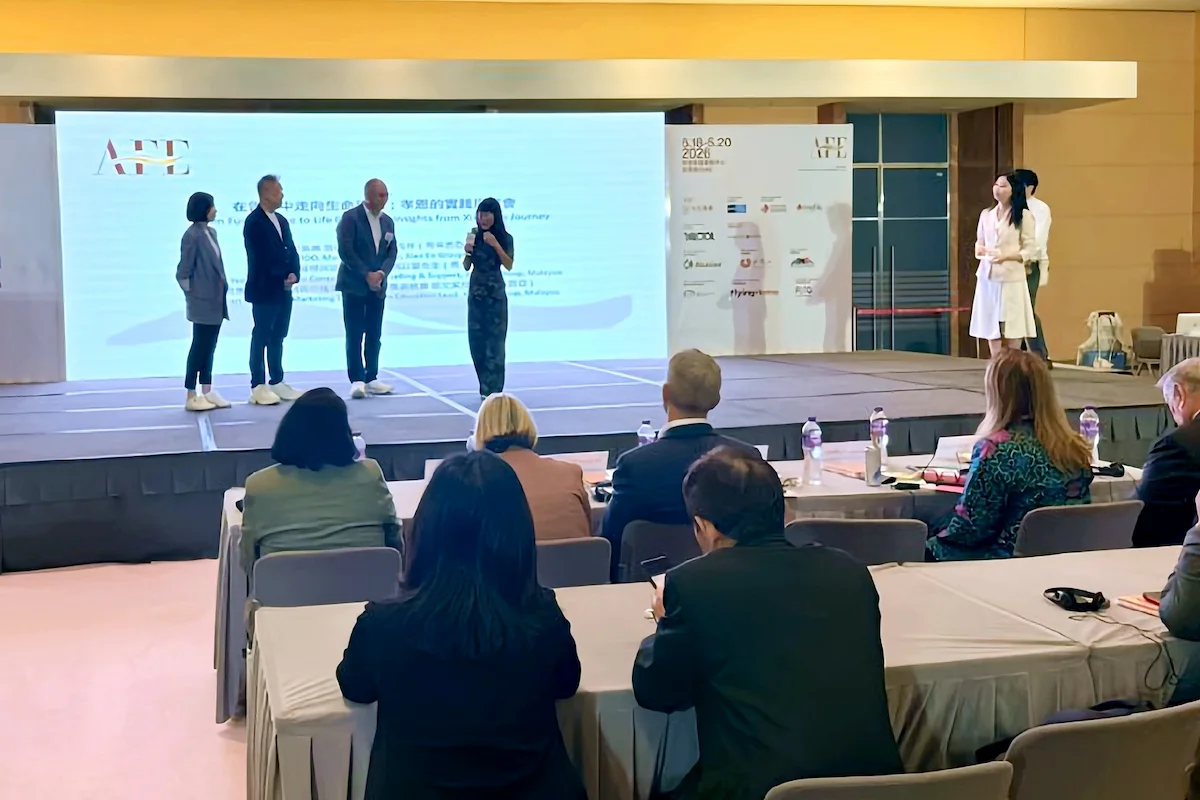
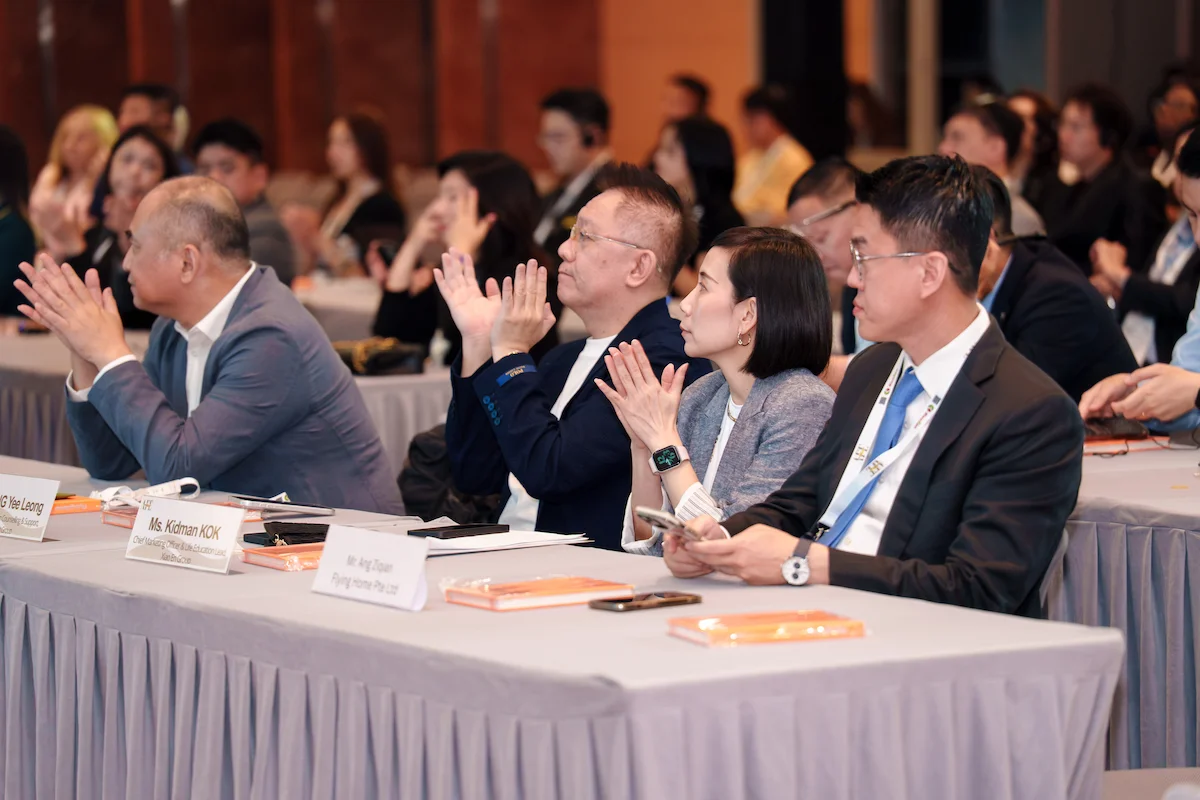
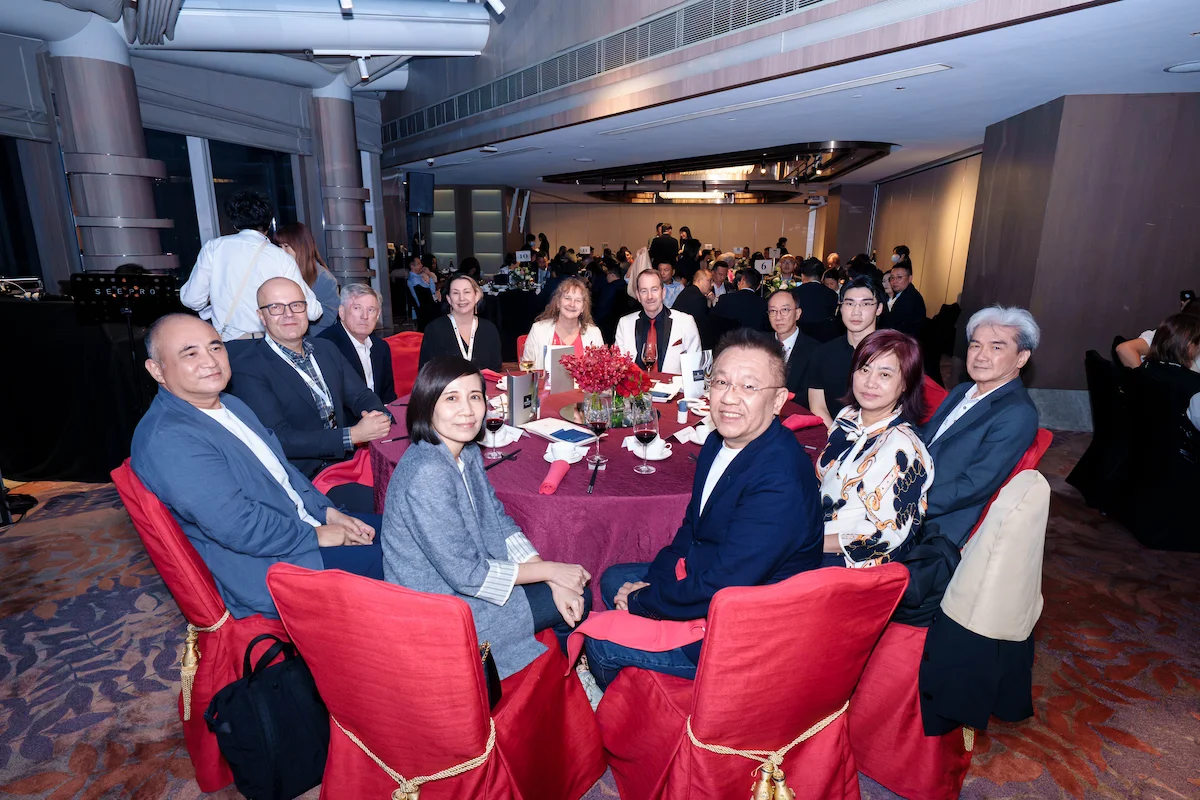
In May 2026, we were honored to be invited to participate in the Asia Funeral and Cemetery Expo & Conference (AFE), held in Hong Kong. At the international conference, we engaged in exchanges and shared insights with representatives from the funeral industry around the world.
This was not only an industry gathering, but also a profound cross-cultural and cross-system dialogue — exploring how the funeral industry can move beyond its traditional service role to further promote and develop life education.
Over the years, we have been continuously working to transform frontline funeral service experiences into life education practices that can be understood, shared, and disseminated.
These include life education learning tours, school collaborations, picture book publications, public exhibitions, international exchanges, and community outreach programs. Through these initiatives, the public is given opportunities to re-understand death, learn to face loss, and reflect on the meaning of “living with death in mind.”
Funeral services are no longer limited to rituals at the moment of farewell, but are gradually evolving into a form of social education and cultural understanding.
Within this broader framework, bereavement support and grief counseling and support play an especially important role.
Care does not only take place during the ritual itself, but continues beyond the farewell — accompanying families as they process emotions, work through grief, rebuild relationships, and gradually return to life.
This further completes the Five Pillar of Care pathways of Connection, Conserve, Console, Commit, Comfort ( 缘殓殡葬续 ), making it not merely a service process, but a concrete expression of the concept of life education centered on “living with death in mind.”
It is also worth noting that the practice of life education continuously nourishes and elevates the professional development of Life Practitioners. It not only teaches them how to carry out services, but also guides them to understand life more deeply, empathize with grief, accompany relationships, and truly recognize the deeper needs of human hearts.
In this cycle, professionalism is no longer merely the accumulation of technical skills, but gradually becomes a deeper form of humanistic cultivation.
As such, the role of the funeral industry is no longer confined to providing end-of-life services. It is increasingly becoming an important bridge connecting life care, emotional education, and social culture.
Through this international exchange, we are able to show the world how life education within Chinese communities is contributing new inspiration to the global funeral industry — bringing more warmth, deeper humanistic value, and expanded possibilities for the future.

