
Piecing Together a Farewell, Piecing Together Unspoken Love
-
By Admin

In truth, death takes many forms.
A peaceful face, untouched and smooth, limbs resting neatly at ease inside the casket. For many people, this is what they imagine a dignified farewell should look like. They believe this kind of “peacefulness” is the best way to honour the deceased.
But through years of working closely with death, I gradually realised that this may not always be respect.
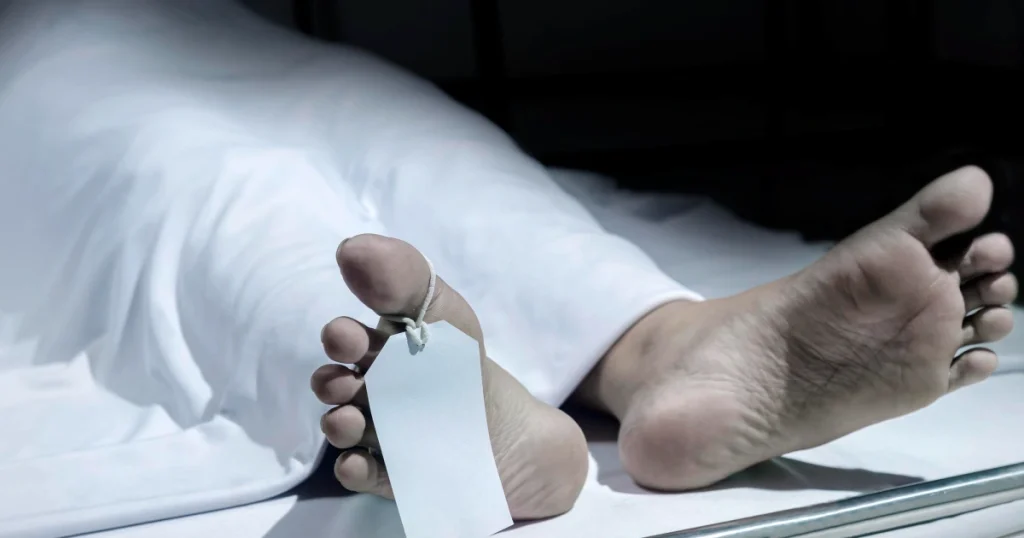
The posture of the deceased is often shaped by the way they lived. Some elderly individuals spend years bedridden, and over time, their bodies naturally change. Not everyone is able to rest flat in a peaceful position.
Many families have asked me to straighten a loved one’s curled body or adjust their limbs so they can lie flat, believing it would make them look “more comfortable”.
Yet every time I hear such requests, I hesitate to agree immediately.
With today’s techniques, it is indeed possible to alter the posture of the deceased. But somehow, those methods have never sat comfortably with me.
So instead of deciding for them, I speak honestly with the family and leave the choice in their hands.
Rather than forcing an image of what “peaceful” is supposed to look like, I hope they are able to see the person they remember most dearly.
In the end, we always arrive at an understanding together.
Imperfect Farewells
If we believe death can always be “put back together” into a certain appearance, reality often tells us otherwise.
Many farewells are imperfect to begin with.
Years ago, I cared for a woman who had passed away in a fall. When she arrived, her condition was far from ideal, and at the time, restorative techniques were still limited. I could only do my best.
Her family had already prepared themselves emotionally and initially decided not to have an open casket during the service.
But throughout the process, there was a quiet voice in my heart reminding me:
If this is someone’s final journey, then they deserve to leave with dignity.
There was little time before the ceremony began. Even after cleaning and restorative care, the final result still fell short of what I had hoped for. With no time left for further restoration, I had no choice but to send her to the funeral parlour.
Yet when the family finally saw her, they were surprised.
To them, she already looked far better than they had imagined.
In the end, they changed their minds and allowed relatives and friends to pay their final respects.
It was not perfect. But the family understood.
The amount of time required for care depends greatly on the condition in which the deceased arrives. Sometimes it takes only two or three hours. In more complex situations involving extensive restoration and preservation, it may take eight to ten hours.
From the moment the deceased is received to the beginning of the funeral service, time is always limited.
Whenever circumstances allow, I always hope to ask for a little more time, so the care can be more complete.
Thankfully, these requests for “a little more time” are often met with understanding and support from both different departments and the family members themselves.
Piecing Together the Most Familiar Face
Clinical care profession often feels like piecing together a puzzle.
I have encountered all kinds of conditions: deteriorating wounds, age spots left behind by time, bodies bent by years of illness. We clean, restore, and care for them, hoping to bring back a sense of familiarity to the family.
But gradually, I realised something.
The most important thing is not how perfectly someone is restored, but whether they still look like themselves.
Every family hopes for something different.
Some wish for every imperfection to be concealed, while others choose to keep certain marks untouched, because that is the face they remember and love.
To me, however, cleanliness is the most basic respect this work requires.
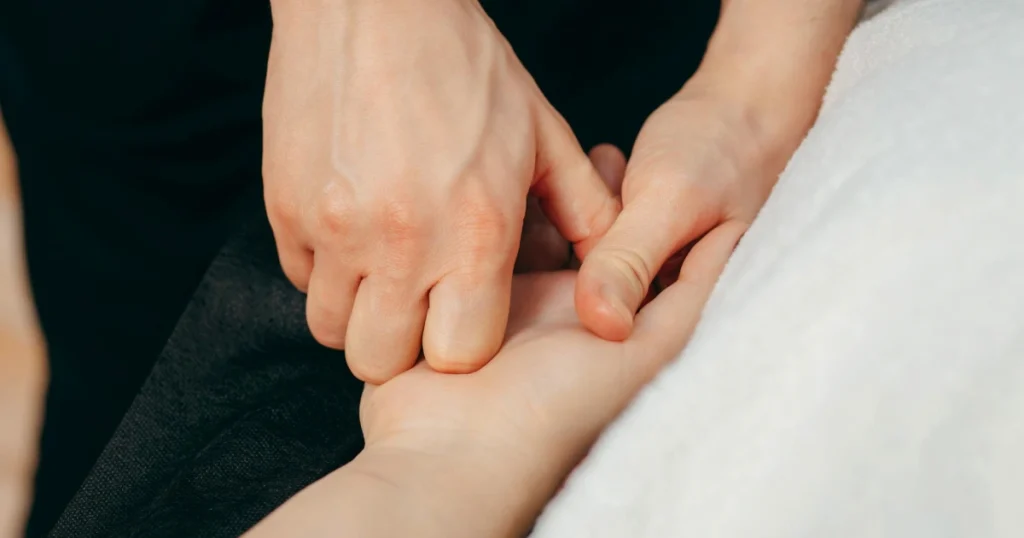
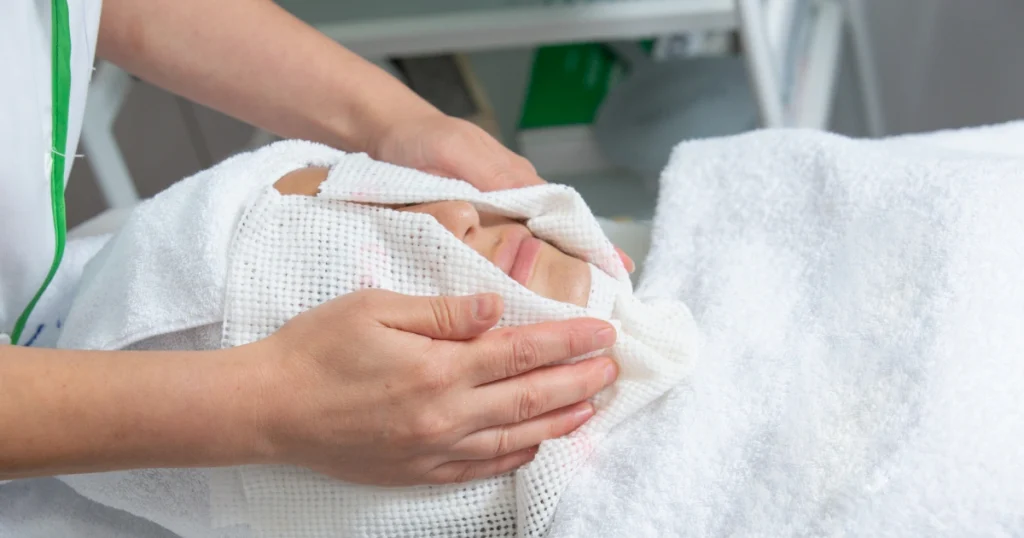
Bathing the deceased, trimming their nails, cleaning wounds. From their overall appearance down to the spaces between their fingers, everything must be cared for properly.
It has become a kind of professional obsession of mine.
The truth is, once a white cloth is placed over them, many things would no longer be visible.
But I still hope that every person can leave this world clean, dignified, and cared for.
After all, who does not wish to leave gently?
Death Waits for No Age and No Time
The longer I remain in this profession, the more I understand one thing.
Death does not wait for age, nor does it wait for the right moment.
Once, I carried the small body of a young child out from the cold chamber and into the Clinical Care Room with my own arms.
That tiny body felt cold and fragile.
I could only hold him tightly against me.
The cold slowly travelled through my arms until they nearly went numb, yet I did not dare loosen my grip.
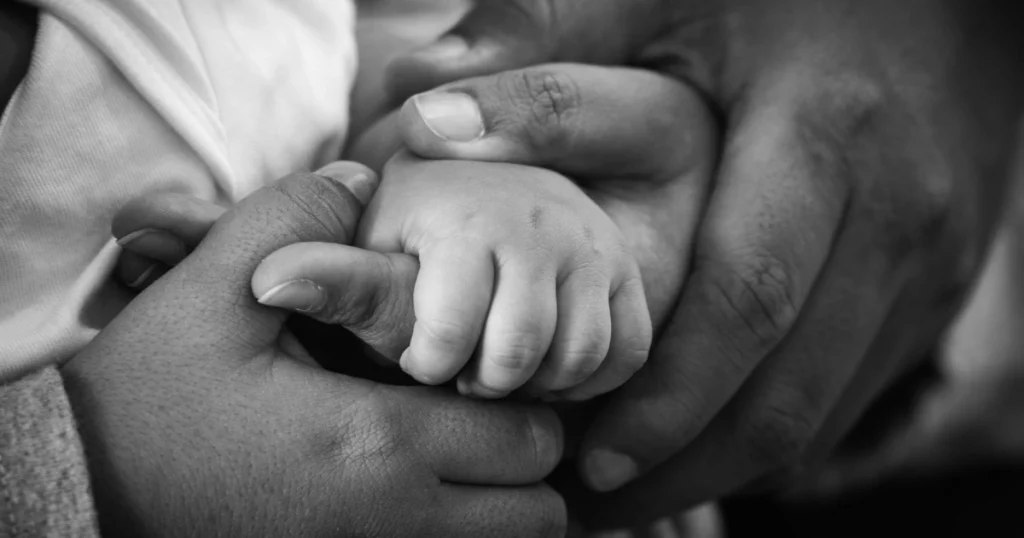
As I looked at him, I could not help but wonder:
Did he ever have the chance to open his eyes and see this world, even once?
Over the years in the bereavement care profession, I have seen eyes that were still young, yet forever closed. I have witnessed lives interrupted in their prime, and accompanied many elderly individuals on their final journey.
Then one day, I saw a name on the list that belonged to someone around my own age.
That was the moment I truly realised:
Time does not wait for anyone.
Slowly, I began to understand that appreciation and expression are things we should never postpone.
After entering this profession, I became more willing to speak openly about death. Yet I also realised how rarely people express love, especially to those closest to them.
There was once a time when I disliked hearing my mother nag at me, let alone expressing affection openly.
But after witnessing so many farewells filled with words left unsaid, you begin to understand that some things should never be delayed.
Occasionally, families ask to help dress the deceased in burial clothing, trim their nails, or even take photographs together.
I never stop them.
Because to me, these are not merely rituals.
They are the final acts of love, care, and companionship the family can still offer.
As for whether something is considered taboo, what matters more to me is whether the family will one day be left with regret.
Sometimes, we think we are piecing together a person’s appearance.
But slowly, I came to realise that what is truly being pieced back together are the relationships between people, and the love that still has time to be seen.
Expressing love does not cost anything.
Sometimes, it is simply a sentence spoken in daily life, or a quiet embrace.
Only too often, we learn this far too late.
(Editor’s note: This article is based on the author’s oral sharing, written by The Interview’s reporter.)
This Original article first appeared in《 The Interview 》. [ Click Here ]
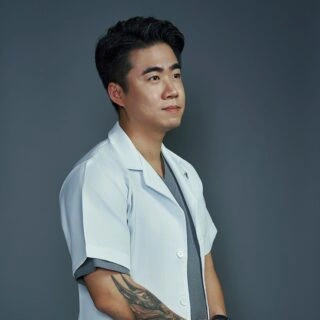 |
Desmond Koh Wai LongA Xiao En Clinical Care Professional with 16 years of experience. Throughout his work, he carefully considers each step of the care process, reflecting on what should and should not be done. Rather than striving for perfection, he prioritizes preserving the most familiar appearance of the deceased. Through thoughtful restraint and careful judgment, he upholds dignity and respect in their final presentation. |
|||
Copyright Statement
This article and video is original content created by Xiao En website, to whom the copyright belongs to. The content should not be reproduced without permission, otherwise it will be regarded as infringement. Xiao En reserves the right to pursue legal action against unauthorised use of the content.

