
Through Timeless Stories, Reconnect With The Life Experiences We Often Leave Behind
-
By Admin
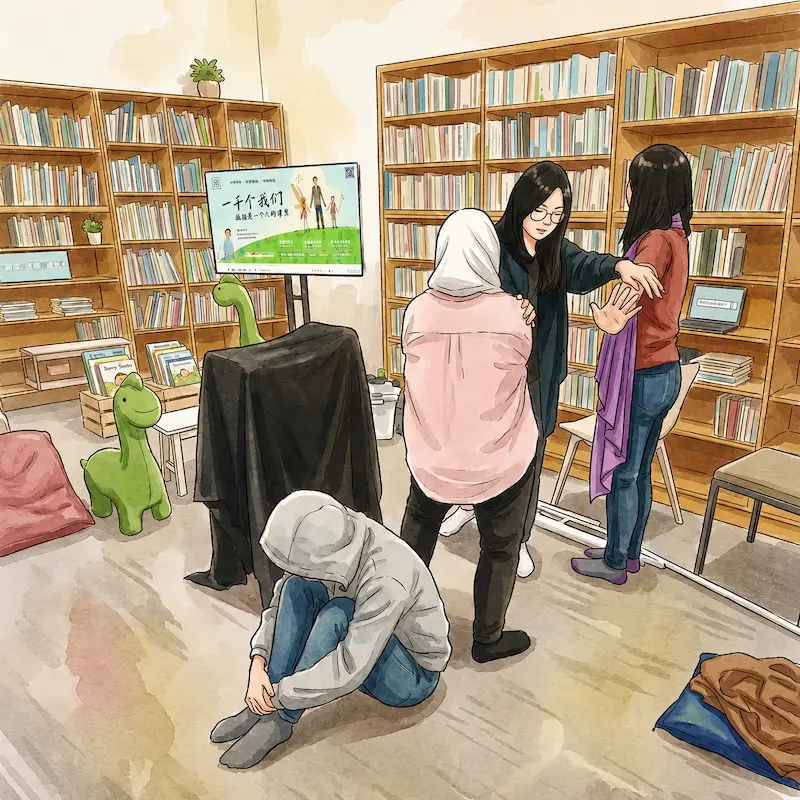
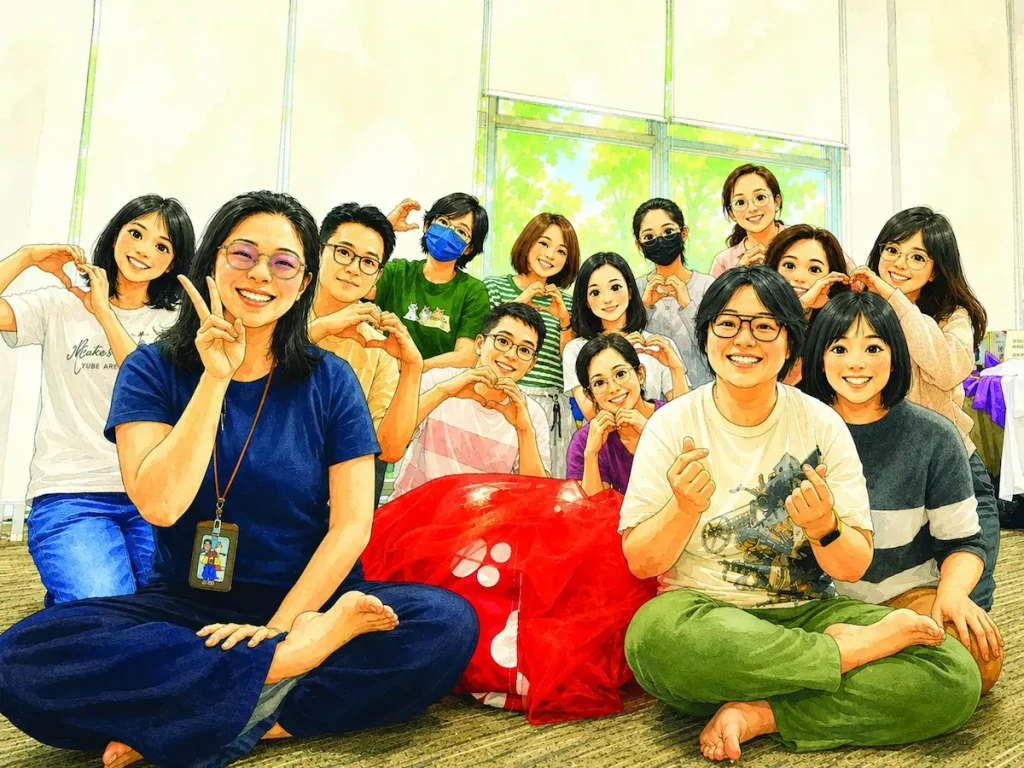
The insect in The Metamorphosis, the creature in Frankenstein, and the old fisherman in The Old Man and the Sea — three literary classics that seem to have little in common—were brought together in the workshop A Thousand Selves, Meeting Through Stories through a shared theme: the experience of being left behind.
Stanley Chia Seng, a Registered and Licensed Counsellor at Xiao En Counselling and Support who initiated the workshop, shared that when he first designed the workshop, his goal was to create a space where people could safely explore their inner world.
He noticed that ever since he was young, films, novels, and theatre performances often left him deeply moved and reflective. In recent years, he has also observed a growing tendency for people to write lengthy reflections on social media after watching a performance or encountering social issues. Over time, he came to realise that what touches a person is often closely connected to their own life experiences. “What catches your attention often holds a certain meaning for you,” he said.
With this understanding, he began experimenting with psychodrama techniques, combining literature, role-playing, and counselling practices to help participants step into a story and, in turn, into themselves. Through the process, participants are invited to pause and ask: “Why does this particular scene affect me so deeply?”
Even those unfamiliar with the original literary works are gradually guided into the stories through introductions, film clips, and facilitated exercises. Participants then take on different roles and enter frozen scenes, experiencing the emotions of the characters firsthand. Rather than performing, they use movement, emotion, and dialogue to immerse themselves more fully in the characters’ circumstances and emotional realities.
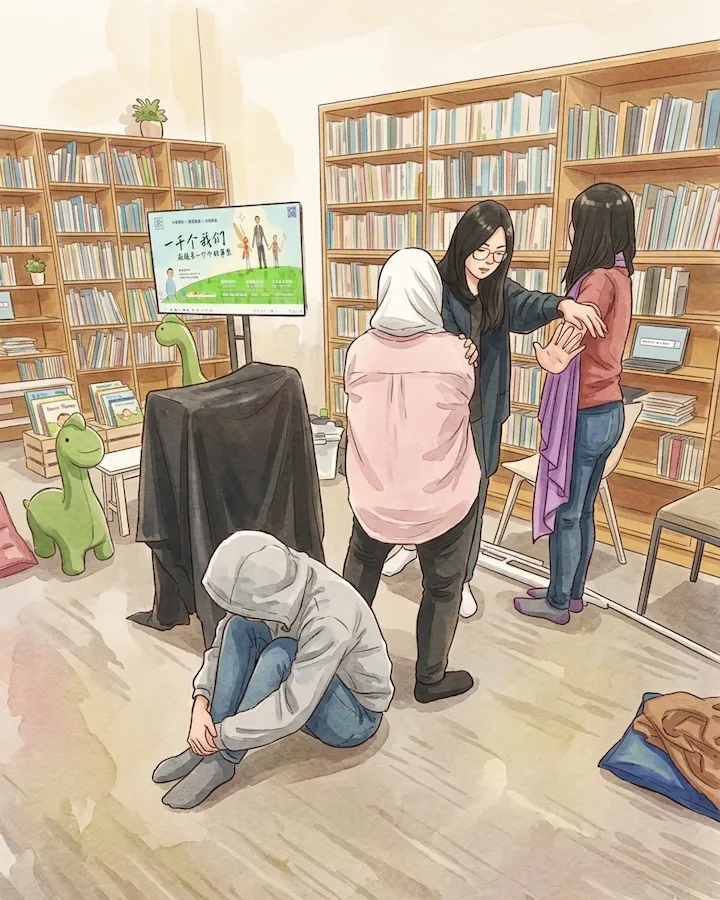
In The Metamorphosis, some participants took on the role of the helpless mother, others the angry father, while some became the “insect” hiding in the room. As the characters began to speak, what surfaced was often not only the story itself, but the participants’ own life experiences.
One participant, speaking in character, said, “I’m sorry. I couldn’t protect you.” It was only later that he realised those words reflected a sense of guilt he had long carried within himself.
Such role-based dialogues provide a safe outlet for emotions to emerge and be expressed. Sia described it this way: “It is not that I am vulnerable; the character is vulnerable. It is not that I am angry; the character is angry.”
In his view, this is what distinguishes the workshop from conventional group counselling. In most counselling groups, participants are often invited to speak directly about their personal experiences. Yet not everyone feels ready to do so in front of others. Stories, on the other hand, offer a protective layer through which people can safely express genuine emotions by stepping into a character’s shoes.
For some participants, Frankenstein offered a new understanding of anger — revealing the repeated pleas for acceptance hidden beneath it. For others, The Old Man and the Sea helped them recognise the fear people experience when confronted with public judgement.
Although their stories are different, all three literary classics revolve around a shared human experience — that of being left behind.
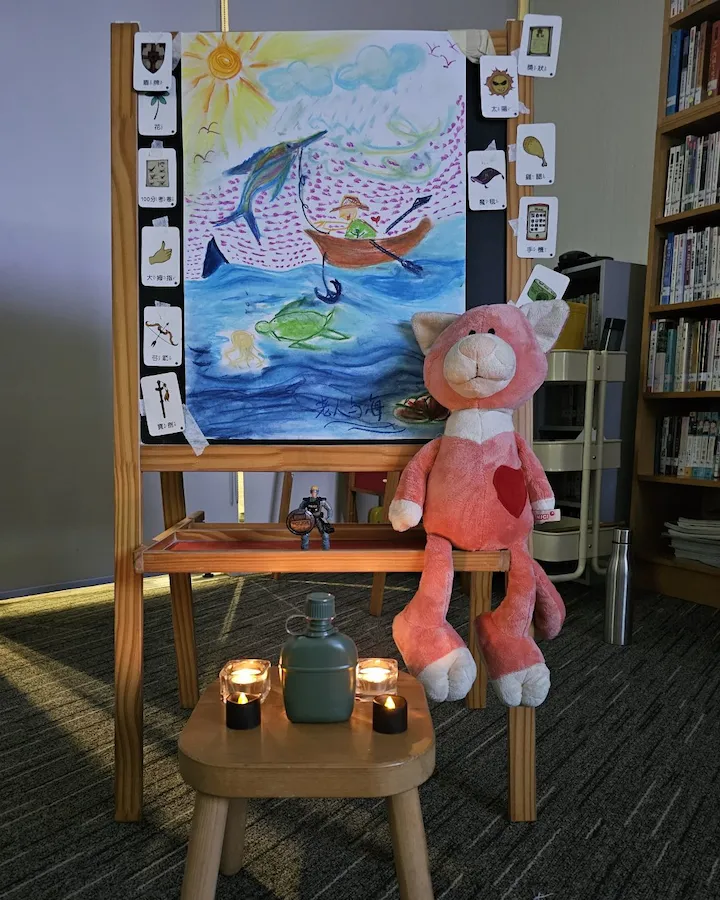
Whether it is the man who loses his worth after becoming an insect, the creature rejected by the world, or the old man dismissed as irrelevant because of his age, each represents a different face of loss: sorrow, anger, and resilience.
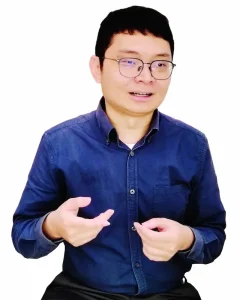
For Stanley, this is where the workshop has its greatest impact.
Through character dialogues, participants begin to see that the question is not simply how an individual should cope with loss. Rather, they become aware that what often needs to shift is society’s gaze itself — and that each of us, in one way or another, is part of that gaze.
Some participants discovered losses they had carried for years without fully acknowledging them. Others began to better understand the sense of loss experienced by those closest to them. Still others became aware, perhaps for the first time, of the losses endured by those on the margins of society.
“My greatest hope is simply to create a space,” Stanley shared.
A space where people can come closer to their own experiences of loss and allow those experiences to unfold naturally. In this space, we learn to make room for what has long been left unspoken. And as we do, something within us—and between us—begins to soften.
And perhaps, stories are the gentle doorway through which we begin.
This Original article first appeared in《 PUMEN普门 》magazine. [ Click Here ]
Copyright Statement
This article and video is original content created by Xiao En website, to whom the copyright belongs to. The content should not be reproduced without permission, otherwise it will be regarded as infringement. Xiao En reserves the right to pursue legal action against unauthorised use of the content.

