
Returning to the Earth After Cremation – Urn Burial
-
By Admin
As populations grow and land becomes increasingly limited, the question of where one rests after death has moved from private contemplation into public concern. It is no longer a distant thought, but a reality shaped by space, policy, and changing social structures. Cremation rates continue to rise across the world. The increase is especially evident in rapidly developing nations, where urban density reshapes long standing burial traditions.
With time, cremation has become not only a practical response to spatial constraints, but also a choice more widely understood and accepted by society. However, this also extends another dimension of reflection: After cremation, where should the ashes be placed? Should they be placed in a columbarium, entrusted to the sea, scattered, or preserved through eco burial. As options expand, both burial practices and final placement have grown more varied.
Among these expanding choices, urn burial has resurfaced. It is neither new nor recently conceived, but a practice rooted in generations past. Yet in contemporary society, it remains largely unseen and not fully understood. In a rapidly changing era, how do we find a place that truly feels right for farewell.
What is Urn Burial ?
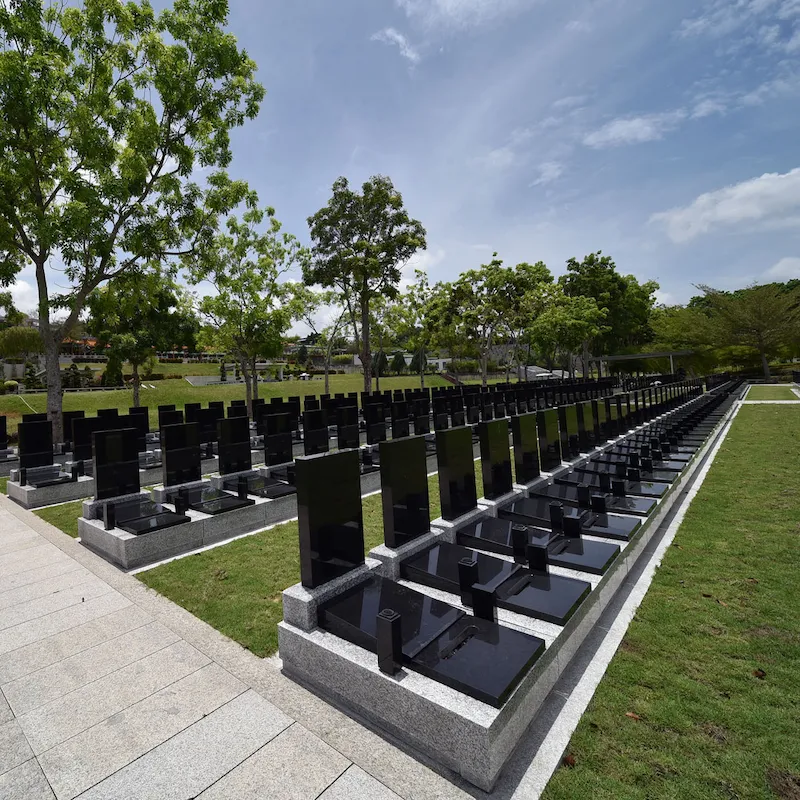
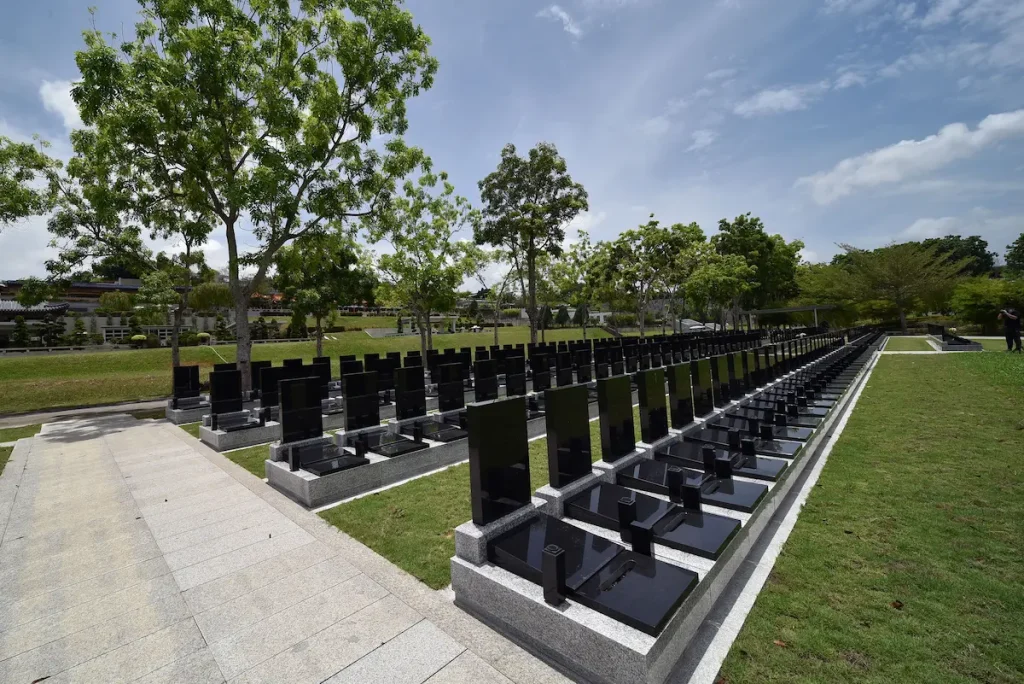
Urn burial refers to the practice of placing cremated remains into an urn after cremation, and then burying the urn in the soil of a cemetery, accompanied by a tombstone or commemorative marker. In its outward form, it closely resembles traditional burial, with a defined burial site, a stone marker bearing the name, and a space for remembrance.
Urn burial requires relatively moderate land use, and the overall cost is generally lower than that of traditional burial. However, it still requires cemetery maintenance and long term management, and the land cannot be reused. At the same time, it preserves the familiar idea of returning to the earth, honouring tradition while adapting to contemporary realities of final placement.
Urn Burial Is Not a New Practice
The idea of placing remains within a vessel and returning them to the earth is far from new. Across different cultures and periods of human history, people have long used containers,often crafted from clay or stone to hold remains before burial.
These vessels were more than practical objects. They reflected a deeply rooted human understanding that even in death, a life should be held with care and dignity. Some of these urns were decorated with patterns or symbolic totems, serving as a form of protection for the deceased. They expressed an attitude toward death, as well as a sense of respect for life and for the relationships that endure beyond it. Seen from this perspective, modern urn burial is less an invention of our time than a continuation of a long human tradition.
A Contemporary Choice in a Changing World
As societies modernize, urban spaces expand and land resources become increasingly precious. At the same time, public health awareness and environmental considerations have made cremation the norm in many regions. Once cremation becomes common, the next question naturally follows: where should the ashes be placed?
Today, families may choose from many forms of memorialization — columbariums, indoor memorial halls, eco-burials, sea burials, scattering ceremonies, urn burial. Among these, urn burial remains closely connected to the familiar imagery of cemeteries and gravestones.
It preserves the familiar forms of cemetery burial, including graves and stone markers, while responding to the practical realities of land use and cost in modern society. In this way, urn burial allows the placement of ashes after cremation to remain connected to a cultural understanding that many people still hold the sense of peace found in returning to the earth.
Land has long symbolized stability, belonging, and a sense of being held. When the final chapter of a life is placed in the soil, memory finds its place in the earth, and a quiet sense of return to the embrace of the land follows.
A Practice Worth Rediscovering
In today’s society, urn burial deserves to be seen and discussed again. It is not the only answer to how we say farewell, nor is it the right choice for every family. Yet for those seeking a balance between tradition and modern conditions, it remains a meaningful possibility.
When we speak about a thoughtful pre plan, the conversation often centres on personal wishes. But perhaps it is also worth listening to those who will one day return to visit — to remember, to pause, and to reconnect.
In the end, a truly thoughtful farewell may arise not from a single decision, but from a quiet dialogue across generations — about how we wish to remember, and where memory can continue to live.
Copyright Statement
This article and video is original content created by Xiao En website, to whom the copyright belongs to. The content should not be reproduced without permission, otherwise it will be regarded as infringement. Xiao En reserves the right to pursue legal action against unauthorised use of the content.

