
When a Life Is Carved into Time: Understanding Epitaphs
-
By Admin
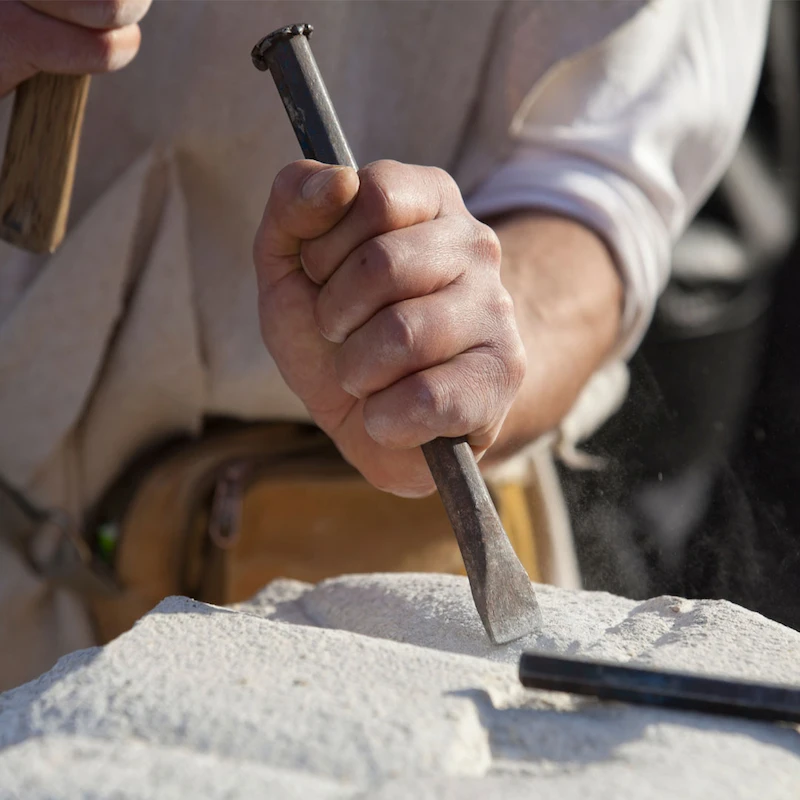
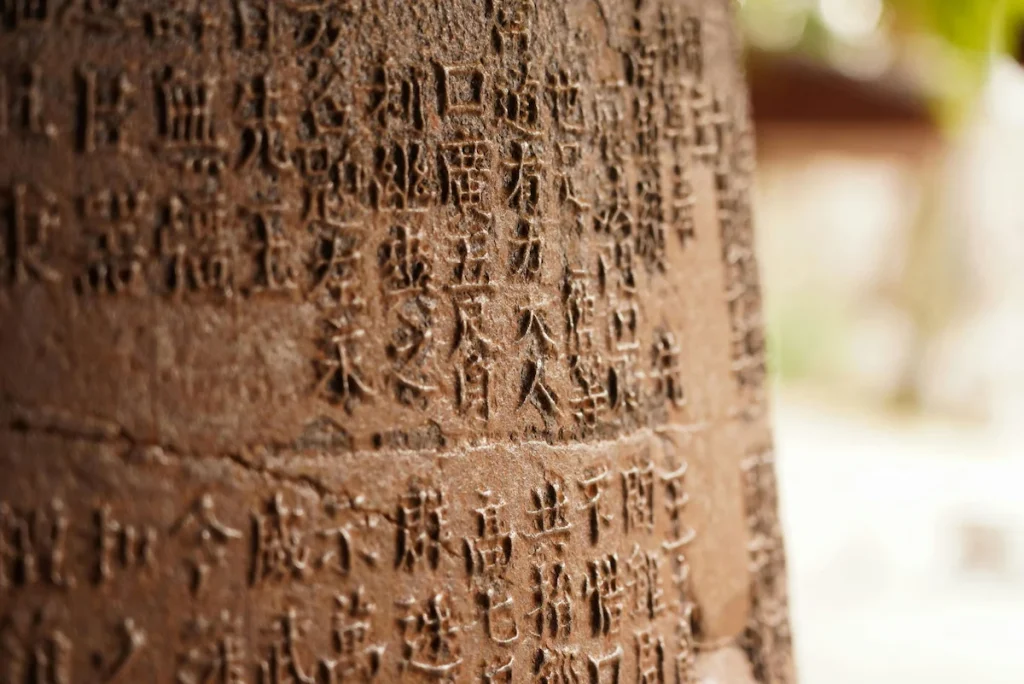 For many people, the word epitaph feels both familiar and distant. Familiar, because it may have appeared in history books or literature; distant, because it rarely enters everyday conversation. Closely associated with death, epitaphs are often something people instinctively avoid.
Yet an epitaph is not merely about death. It is a form of words carved in memory — expressing how a person is remembered, what they left behind, and how a life once existed. In this sense, an epitaph allows the spirit of a life to continue living, in another form, within time.
To truly understand epitaphs, we need to look beyond the present moment and trace their journey across different eras and societies — how they were written, how they were used, and how they have gradually evolved into what they are today.
The Origins of Epitaphs: From Identification to History
In early societies, epitaphs served a practical purpose. They recorded names, origins, and burial locations so that the deceased would not remain anonymous. These inscriptions functioned like simple guides for the living — marking who was buried here, which family they belonged to, and what role they once held.
Over time, epitaphs took on greater meaning. Life stories, official titles, family lineage, and religious beliefs were added, turning epitaphs into valuable records through which later generations could understand individuals, families, and even entire eras. They did more than mark death; they preserved history.
From the Privileged Few to the Many: Who Gets Remembered?
Historically, such inscriptions were not accessible to everyone. Writing epitaphs required literacy, skilled scribes, and financial resources. As a result, elaborate epitaphs were most commonly found among officials, scholars, and the social elite of their time.
This was not a reflection of whose lives mattered, but rather of how memory was preserved under the conditions of that era. Who could leave written traces of their life was closely tied to social resources.
As literacy spread and expression became more accessible, the boundaries of remembrance widened. Epitaphs gradually shifted from being exclusive records of the privileged to a form of remembrance available to many more people.
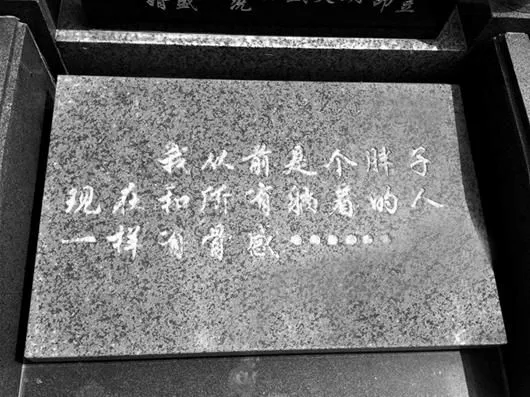
From Being Written For to Writing for Oneself
When death was considered a taboo subject, epitaphs were usually written after someone had passed, composed by family members or entrusted writers. Today, this has begun to change. More people are recognising that end-of-life choices need not be left entirely to others.
This shift reflects a growing awareness of funeral and memorial autonomy. Some wish to express their values while they still can; others hope to ease the emotional burden on their loved ones; and some simply prefer a simple, unburdening farewell.
In this context, epitaphs are no longer just conclusions — they become choices about how one wishes to be remembered.
Who Is an Epitaph Written For?
Although an epitaph reflects an individual’s view of life, once placed in a public space such as a cemetery or memorial ground, it takes on a shared meaning.
An epitaph may be written for family and close friends as a place to hold memory, but it may also be read by strangers in the future, offering insight into the values of a time. It does not need to be understood by everyone; it simply exists, quietly, within time.
When Writing an Epitaph for a Loved One
Even today, life’s unpredictability means not every farewell can be prepared in advance. When family members write an epitaph on behalf of a loved one, it need not summarise an entire life. It can be a line from a sacred text, a meaningful quotation, or a phrase that captures the person’s spirit.
Rather than listing achievements, it may help to begin with simple questions:-
” What is this person most remembered for?”
” How did they treat others?”
” What did they leave behind in your life?”
Sometimes, a single sentence is enough. At times, leaving space is itself a form of respect.
Writing One’s Own Epitaph
When someone chooses to reflect on their own epitaph, it is not an act of preparing for death, but of clarifying life. What remains does not have to be a record of achievements; it may simply reflect values, gratitude, or a way of seeing the world.
An epitaph need not be complete. What matters is that it feels true to the life that was lived.
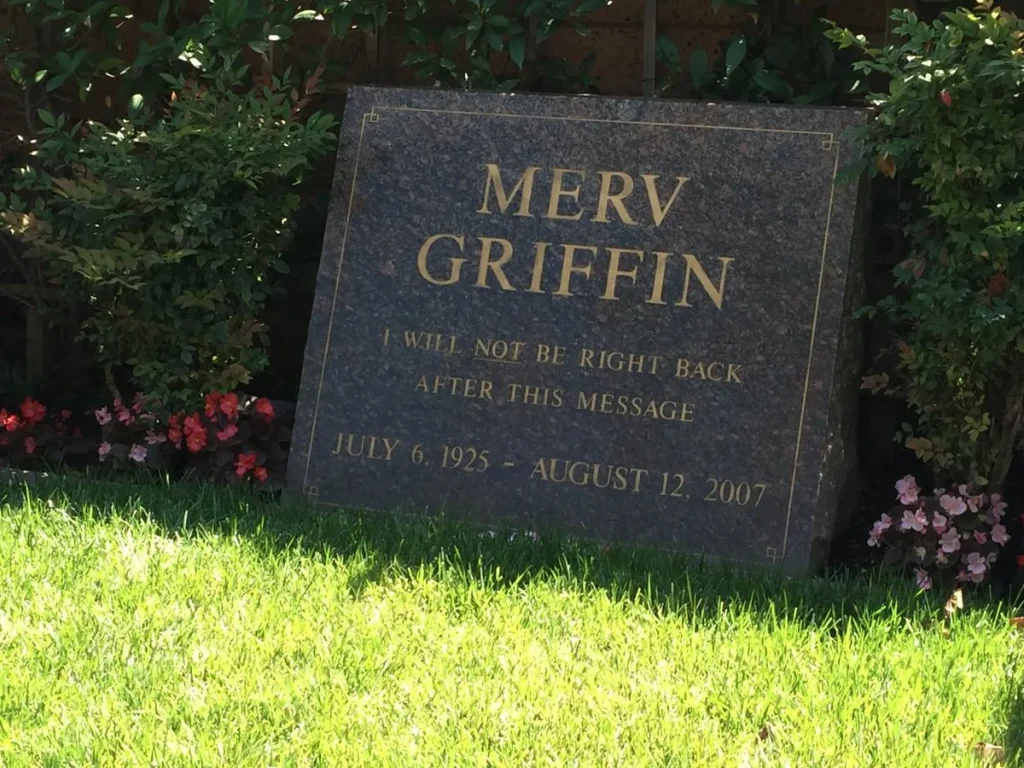
Changing Times, Changing Forms
In today’s digital age, epitaphs are also evolving. QR codes, multimedia memorials, recordings, and images now extend remembrance beyond stone inscriptions, allowing memories to exist in layered forms.
Yet despite these changes, the essence of an epitaph remains the same: it is a gentle offering to time.
When we speak of epitaphs today, we are not gazing at death, but learning how to remember — what deserves to be left behind, and how a life can be held with care.
Copyright Statement
This article and video is original content created by Xiao En website, to whom the copyright belongs to. The content should not be reproduced without permission, otherwise it will be regarded as infringement. Xiao En reserves the right to pursue legal action against unauthorised use of the content.

