
Honouring Farewells, and the Love We Too Often Overlook
-
By Admin
Have you ever carried a regret you couldn’t quite let go of? I have.
When I was younger, in a moment of impatience at my father’s constant reminders, I blurted out in anger, “I’m never giving you a ride again.” I never imagined that those words would become final. I never had the chance to drive him again.
The night my father passed away, everything happened too suddenly, too fast. In the shock of that moment, I had no time to prepare a proper goodbye.

Perhaps because of a goodbye that came too late, I have spent my 14 years as a Family Care Consultant especially attuned to the importance of doing a little more while there is still time.
I don’t see funerals as just a series of procedures anymore. Instead, I see it as a family’s final opportunity — a moment for those who remain to say what has been left unsaid, to speak the words that still rest in their hearts.
Encouraging Families to Speak the Love While There Is Time
When I first started in this profession, I believed a funeral was simply something to be carried out by following the traditional steps. It was through one family member that I came to understand there is no standard way to say goodbye.
He came to me with a request to set aside a moment during the funeral so he could share his life with his late wife with those present. He spoke about how they met and fell in love, how they built a family together, how they welcomed their children into the world. When she was diagnosed with cancer, he once prayed for ten more years. Ten more years to raise their children side by side. The year she passed was the tenth year after that prayer.
That night, he did not speak much of regret. He spoke again and again of gratitude.

Goodbyes do not always have to be tearful. They can be what our hearts need them to be.
As a Family Care Consultant, I began, in those brief final days of a send-off, to gently ask: Is there anything you still wish to do for them? Is there anything you still wish to say? I stay close, guiding and accompanying, so that unfinished wishes might, as far as possible, be fulfilled while there is still time.
I remember once, at a family’s request, we brought the deceased home one last time before going to the funeral centre. No detours. Another time, I met a drummer who had never performed in front of his father. At the farewell ceremony, he finally did. When the last note faded, he bowed deeply. In that moment, it was no longer just a goodbye. It became a memory he and his family would carry with them.
“Professionalism” Can Also Hold Empathy and Grief
Standing before life and death, we are still ordinary people and cannot always remain detached. Entering others’ farewells, there are moments that still catch me off guard, when feelings rise quietly to the surface.
Once, a family played a memorial video in which the aunt resembled my own mother. Another time, the final frame showed a father turning back to wave during a journey; everyone present stood up, waving him goodbye in return.
In those moments, I could not always hold back my tears. The family did not see it as a lack of professionalism. They received it as warmth and understanding.
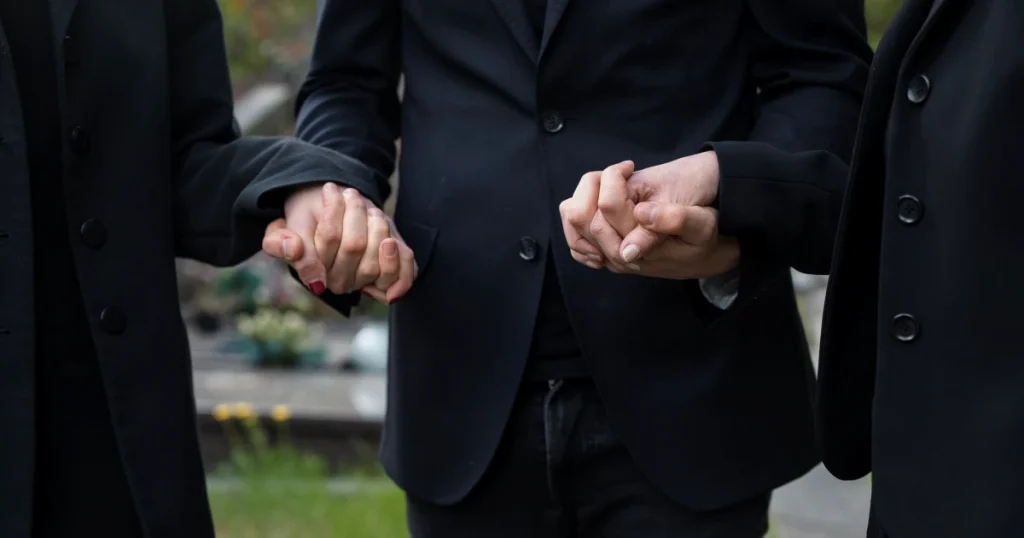
It is in moments like these that I find myself reminded, again and again: I may appear adept at accompanying others through their goodbyes, but when I return to my own life, to my closest relationships, have I truly learned how to say goodbye well?
Returning a Heightened Attunement to Time and Care Back Into Everyday Life
In recent years, I have entered what I call a “life of subtraction” — reducing unnecessary social engagements, reducing procrastination, reducing the habit of saying “later.” Subtraction may sound like the language of loss, but it has quietly brought me back to the heart of everyday living. I began to bring that sensitivity to “before it’s too late” back into daily life.
I try to come home a little earlier after work.
I spend a few more moments talking with my wife.
I make more time to cycle and play ball with my children.
I also try to have deeper conversations with my mother, sharing with her stories from my work.
Once, my mother told me that her running companion had been diagnosed with cancer and could no longer go running with her. She began, of her own accord, to visit her friends more often, making time to be with them and to talk.
I felt a quiet sense of gratitude, seeing how the people around me were also, little by little, learning to practise the art of saying goodbye well, not in moments of parting alone, but within the most ordinary rhythms of daily life.
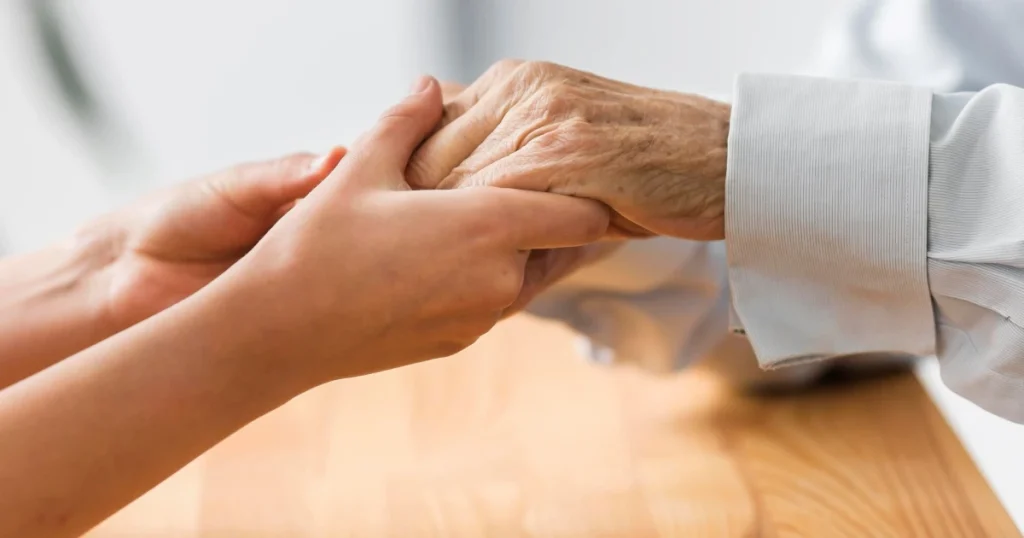
Before I entered the funeral profession, there was not a single beautiful photo of my mother on my phone. I always thought there would be time. Only when I looked back did I realise how much had already slipped past, leaving nothing behind to hold onto.
Now that phone cameras are so advanced, I have learned to take photos, to pause and preserve the most beautiful moments of my family.
Bringing Love Forward, Doing a Little More
We think goodbye happens at the end. But regret is formed in the everyday moments before that.
No one can promise a life without regret. But if we do a little more while there is still time, and put off a little less, then when goodbye comes, what stays in our hearts may not be just regret.
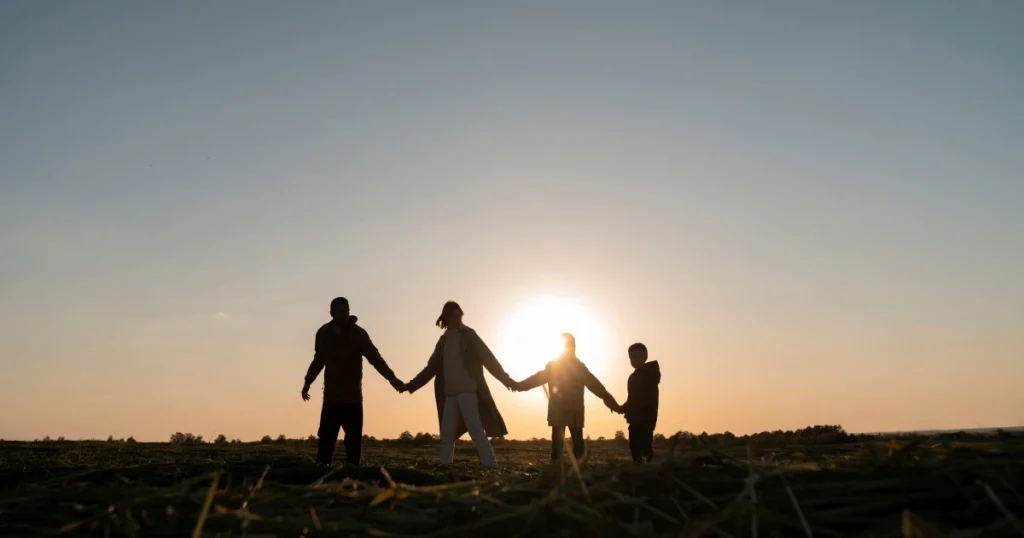
Before farewell arrives, we are still alive. That fact alone is already something deeply worth cherishing. Living each present moment well may be the most meaningful way we honour life.
(Editor’s note: This article is based on the author’s oral sharing, written by The Interview’s reporter.)
This Original article first appeared in《 The Interview 》. [ Click Here ]
 |
Kezman Kok Chun HwoA Xiao En Family Care Consultant with 14 years of experience. A single farewell that came “too late” showed him the value of bringing love forward. Through years of accompanying others in their final moments, he has come to see the value of bringing love forward — believing that doing a little more while there is still time can lessen regret and bring everyday life closer to the heart. |
|||
Copyright Statement
This article and video is original content created by Xiao En website, to whom the copyright belongs to. The content should not be reproduced without permission, otherwise it will be regarded as infringement. Xiao En reserves the right to pursue legal action against unauthorised use of the content.

