
Carrying Respect Through to the Very Last Moment
-
By Admin
Twenty years ago, I was looking for a new job.
Through a friend’s introduction, I walked into Xiao En—and with that step, entered the funeral profession. At the time, I had no idea this would become a twenty-year journey that would shape my life.
After several years as a Bereavement Care Consultant, I learned that a crematorium was about to open. With a willingness to try something new, I transferred roles and formally became a Cremation Specialist.
Even today, many people struggle to understand this profession. In the public imagination, cremation work is often associated with outsourced labor, dirty environments, and unpleasant odors. Over time, the role itself has been burdened with stigma.
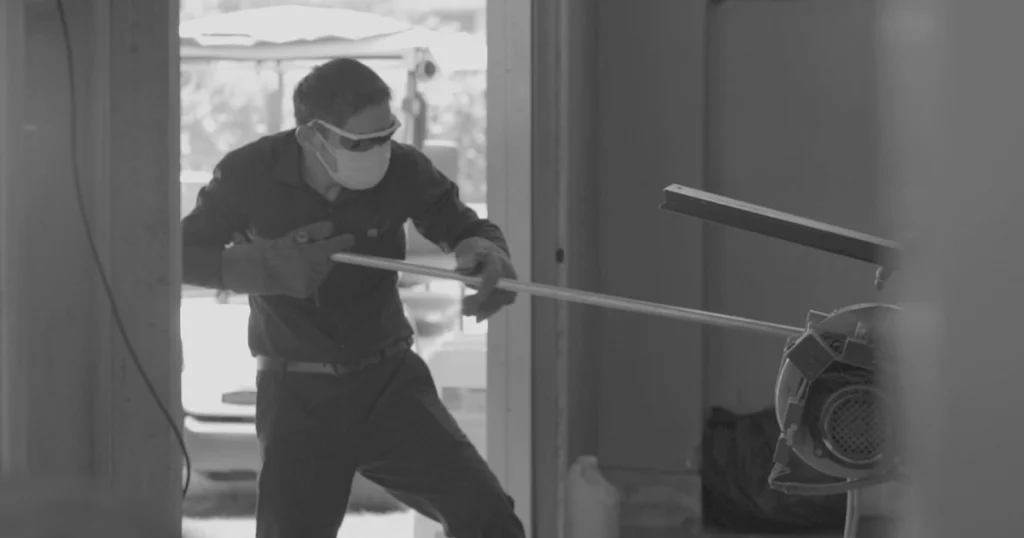
So when people learn that I am a Cremation Specialist, their first reaction is usually confusion, followed by surprise. Few realize that cremation, too, is a profession—one that demands expertise and responsibility.
Before officially taking on the role, I gave myself a period of adjustment. I used that time to understand what the job truly entailed. Having previously worked as a Bereavement Care Consultant, I had accompanied many families to different crematoria, observing and learning along the way. For two months, I drove weekly to the Melaka Huai En Memorial Park’s crematorium.
Like many others, I initially thought cremation was simply a matter of pressing a button. It was only when I began operating the process myself that I realized how many details — before and after that button — is required to be handled with care.
Cremation, Too, Should Be Done with Grace
My work begins with a single button.
After the funeral rites conclude and the family completes their final farewell, the coffin is placed on the trolley and slowly pushed toward the ceremonial gate. As the gate closes and before the coffin enters the cremation chamber, I stand quietly beside it and say softly:
“ Sir / Madam, you may go in peace. ”
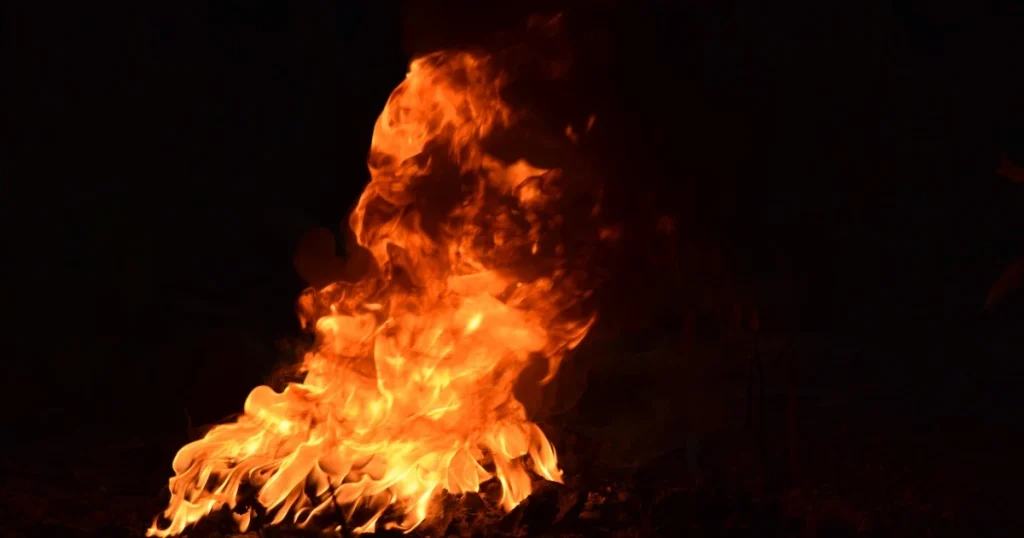
I then guide the coffin into the chamber, ensure it is correctly positioned, and initiate the cremation process. Once the chamber door closes and the body begins to burn, I remain outside, continuously monitoring the process — checking whether the combustion is even, whether the cremation is complete.
This is what matters most to me.
What I mean by “ doing it well ” is ensuring that no burial items remain on the surface of the body, and that the cremation is clean, without residue. If this were the final journey of a life, wouldn’t you hope to be treated this way?
Depending on the size of the body, cremation process can take between one to two hours. The chamber temperature can reach up to 1,000 degrees Celsius. Once the process is complete and the trolley temperature cools to around 500 degrees, it is drawn out, and I begin the bone collection.
Wearing protective gear and gloves, I carefully arrange the bones from head to toe, following the human anatomy, and place them neatly into a steel tray before sending them for cooling. When the family is ready, the bone-collecting ritual officially begins.
(Editor’s note: Bone collection refers to the ritual in which family members personally place the remains into the urn. The trolley is the device that carries the coffin in and out of the cremation chamber.)
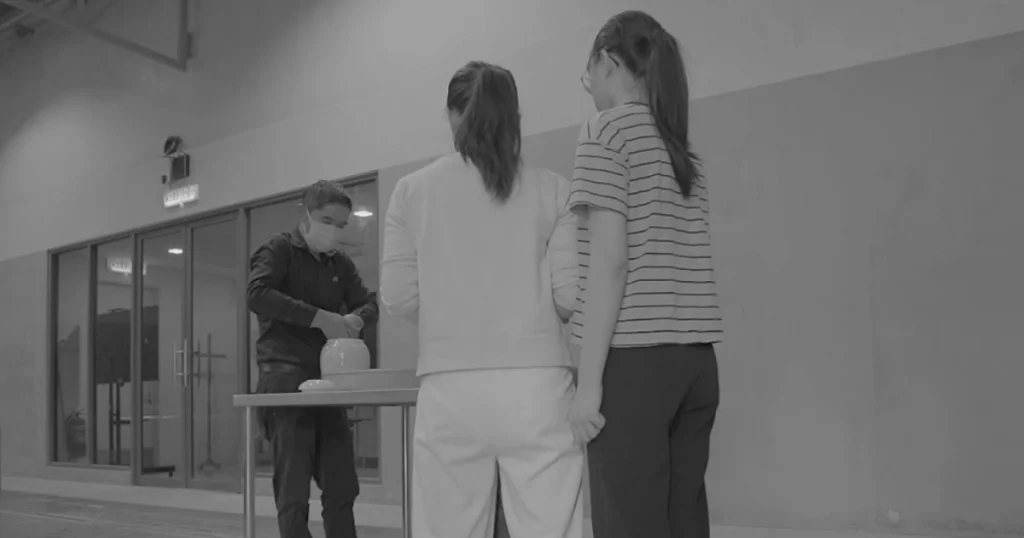
I first explain the arrangement of human bones, then guide the family as they hold chopsticks with both hands, carefully placing each bone — except the skull — into the urn. During this process, family members may speak to the deceased, reassuring them as they “ move into their new home.” The skull is placed last, so that the remains may ‘ sit upright. ‘
Only when the urn is sealed can our work be considered complete.
” Completion is not about how much is done, but whether everything has been treated with care. “
From the handover of the body, scheduling, entry into the chamber, observation, bone collection, arrangement, placement, to cleaning — each step may appear simple, but all require experience and, above all, a heart that never forgets respect.
Doing Everything to the Best of Every Beloved One
Every morning, I greet the deities before starting the day’s work.
When I arrive at the crematorium, I clean the premises, sweeping away ash and residue. After every cremation, I clean again before attending to the next deceased. Even though smoke and odor will inevitably return with the next process, each act of cleaning is for my own peace of mind — and as a gesture of respect for every life entrusted to me.
I am not superstitious, but I firmly believe this: what one does, heaven sees.
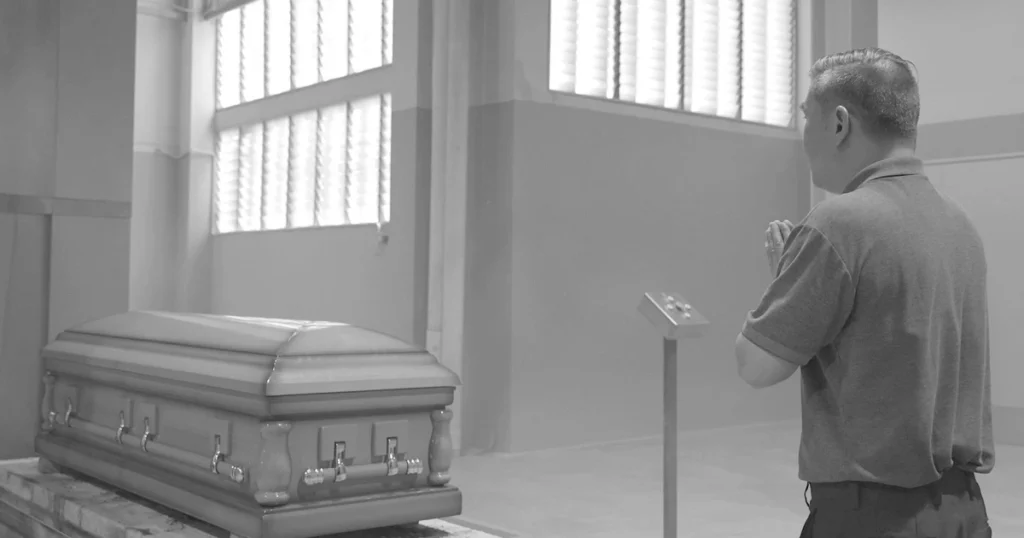
Once, a family handed me a small card with a few words of thanks. It made me happy for most of the day. I placed it at home without thinking much of it, until one day I noticed a RM100 note tucked underneath. My feelings were complicated — not because of the money, but because I realized that someone had truly valued the quiet work I had done.
There are also families who choose to cremate their loved ones at Xiao En even though burial takes place elsewhere. They tell me it is because this place feels clean and reassuring.
Over the years, I have encountered remains that were extremely incomplete. Missing parts are immediately apparent to me. I say little, but I constantly remind myself that this job cannot be rushed or taken lightly. Every lapse is a form of disrespect to the deceased.
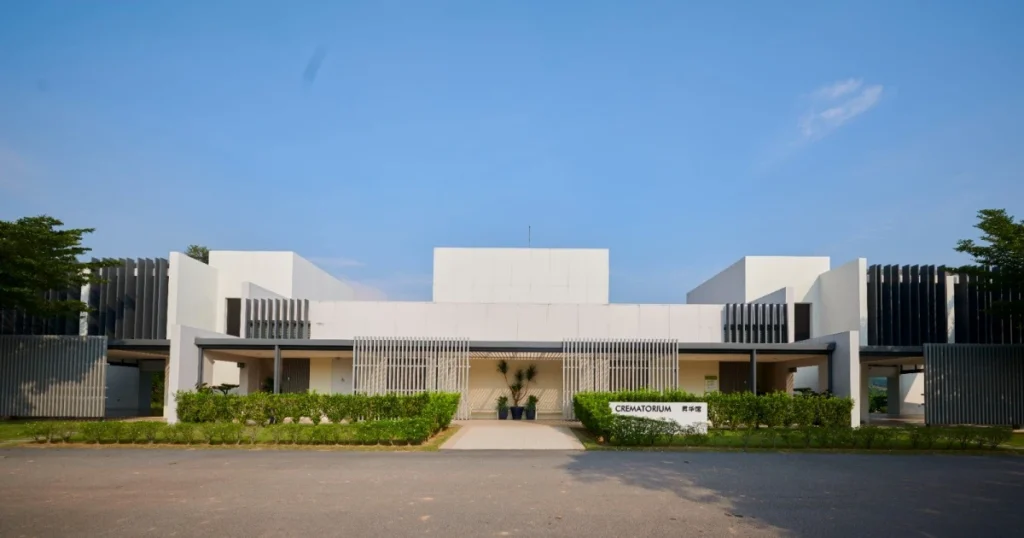
This is a solitary profession. In the crematorium, there is only the deceased and me. Whether I do my job well or poorly, few will ever know. But I know. All I want is to complete my work in a way that I can stand before every life entrusted to me with a clear conscience.
Twenty Years—Gone in an Instant
After all these years, I have been looking for suitable apprentices, hoping one day to pass on the experience I have accumulated.
I never planned too far ahead. Each day, I simply focused on completing the tasks before me, one by one. And in that repetition, almost without noticing, twenty years passed.
Before becoming a Cremation Specialist, I avoided talking about life and death, and was even afraid to enter places related to it. That fear, I later realized, came from not knowing.
Over these two decades, I have encountered countless bodies — from placentas still within the womb, to infants, children, teenagers, adults, and the elderly. Nearly every age, every cause of death. I still feel sorrow when witnessing others’ deaths. As for my own, I only hope to leave this world without illness or pain.
At this stage of life, many things feel lighter. Yet when I hold a one-month-old infant whose heartbeat has already stopped, lying motionless in my hands as if deeply asleep, my heart still aches. Some images soften the heart no matter how many times they are seen.
Sudden deaths are even harder to bear. Hearing the family’s heart-rending cries outside the chamber, my chest still tightens.
You ask me what I have learned about life?
Money, status, grand houses — these are not where life’s value lies. After all these years, I know only this: having a healthy body is the greatest wealth.
This is what the crematorium has taught me.
(Editor’s note: This article is based on the author’s oral sharing, written by The Interview’s reporter.)
This Original article first appeared in《 The Interview 》. [ Click Here ]
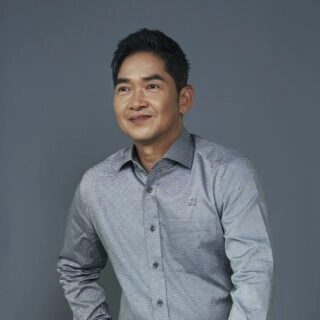 |
Nelson Lai Tuck ChoyA Xiao En Cremation Specialist. For two decades, he has stood at the final leg of life’s journey, carrying out every responsibility with care, ensuring each farewell is brought to completion with dignity and respect. |
|||
Copyright Statement
This article and video is original content created by Xiao En website, to whom the copyright belongs to. The content should not be reproduced without permission, otherwise it will be regarded as infringement. Xiao En reserves the right to pursue legal action against unauthorised use of the content.

